uniladtech homepage
  • News
    • Tech News
    • AI
  • Gadgets
    • Apple
    • iPhone
  • Gaming
    • Playstation
    • Xbox
  • Science
    • News
    • Space
  • Streaming
    • Netflix
  • Vehicles
    • Car News
  • Social Media
    • WhatsApp
    • YouTube
  • Advertise
  • Terms
  • Privacy & Cookies
  • LADbible Group
  • LADbible
  • UNILAD
  • SPORTbible
  • GAMINGbible
  • Tyla
  • FOODbible
  • License Our Content
  • About Us & Contact
  • Jobs
  • Latest
  • Archive
  • Topics A-Z
  • Authors
Facebook
Instagram
X
TikTok
Snapchat
WhatsApp
Submit Your Content
Scientists discover ‘smiley face' on surface of Mars that could contain indicators of life

Home> Science> Space

Published 09:44 17 Sep 2024 GMT+1

Scientists discover ‘smiley face' on surface of Mars that could contain indicators of life

It has reignited scientists' hope to find evidence of life on Mars

Bec Oakes

Bec Oakes

google discoverFollow us on Google Discover
Featured Image Credit: ESA/TGO/CaSSIS / ESA
News
Science
Space
Mars

Advert

Advert

Advert

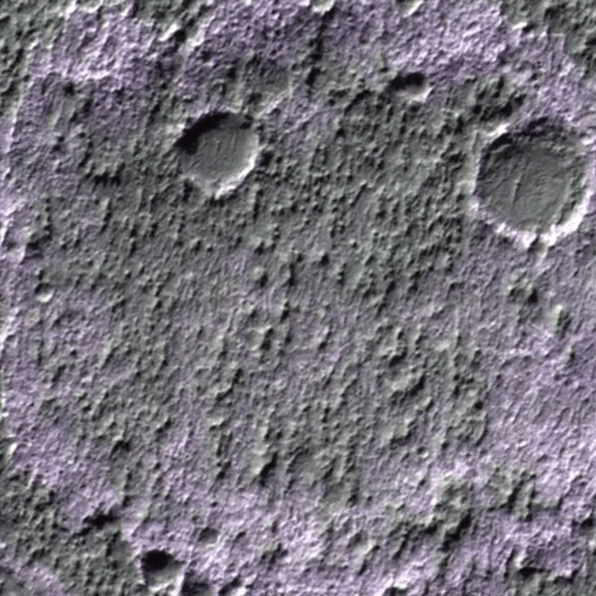
A 'smiley face' found on Mars could be the key to finding life on the Red Planet.

Last week, the European Space Agency (ESA) shared a picture of a 'smiley face' on the surface of Mars to Instagram.

The face, made up of two circles and a line inside a larger circle, can only be seen under infrared light and is thought to be the remnants of an ancient lake that dried up billions of years ago.

The image was taken by ESA's ExoMars Trace Gas Orbiter, which has been recording the levels of methane and other gases in the planet's atmosphere since 2016.

Advert

A caption accompanying the smiley face reads: "Once a world of rivers, lakes, and possibly oceans, Mars now reveals its secrets through chloride salt deposits found by our ExoMars Trace Gas Orbiter.
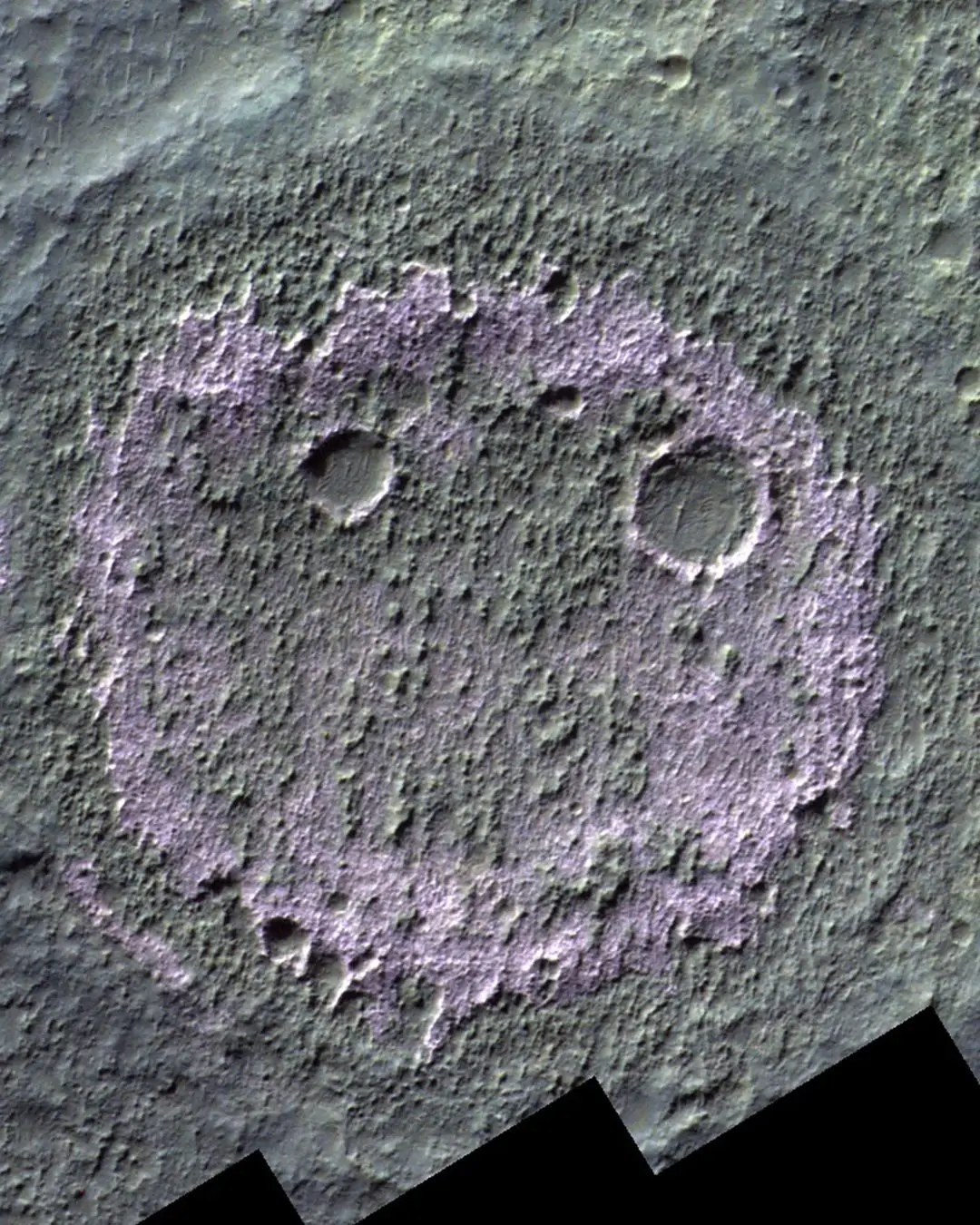
A large 'smiley face' has been found on the surface of Mars (Instagram/@europeanspaceagency)

"These deposits, remnants of ancient water bodies, could indicate habitable zones from billions of years ago.

"The discovery of nearly a thousand potential sites offers new insights into Mars’ climate and potential for past life."

While Mars is currently a desert, billions of years ago, it was covered by rivers, lakes and potentially even oceans.

A research paper about ESA's discovery was published in the journal Scientific Data last month.

"In the distant past, water formed magnificent landforms such as riverbeds, channels, and deltas on the Red Planet," said planetary scientist and study lead author Valentin Bickel in a statement for ESA.

When these bodies of water disappeared over time, they left behind salt deposits like those that form the 'mouth' and outline of the face.
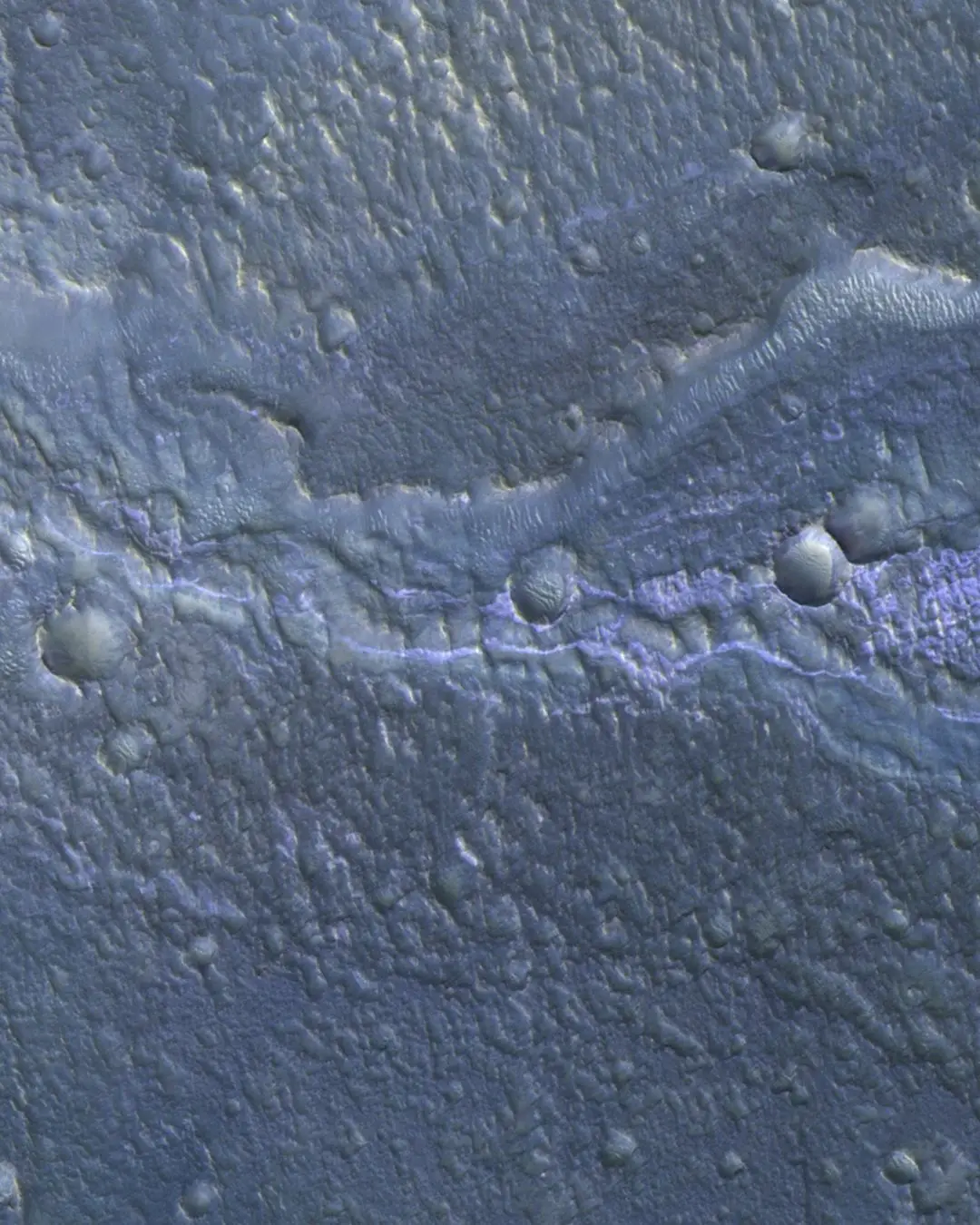
Salt deposits may contain indicators that life once existed on the Red Planet (Instagram/@europeanspaceagency)

Deposits like these are important because they can 'provide optimal conditions for biological activity and preservation,' according to the study.

This makes them 'a prime target for astrobiological exploration,' researchers added.

In some locations, the leftover salts are the only evidence that water ever existed. As the water dried up, the high salt levels would have prevented it from freezing and been the last hope for any microscopic beings clinging onto life as Mars transformed to its current arid state.

If this is the case, the salts may have preserved vital evidence of these now-extinct lifeforms.

"The new data has important implications for our understanding of the distribution of water on early Mars, as well as its past climate and habitability," Bickel said.

So, while the discovery doesn't conclusively answer David Bowie's perennial question, it has reignited the search for life on the Red Planet.

Choose your content:

2 days ago
3 days ago
  • YouTube / BBC
    2 days ago

    Fascinating simulation shows exactly how sperm is attacked when entering the female reproductive system

    There's a one in 250 million chance that we're ever even born

    Science
  • Randy Brooke/Getty Images
    2 days ago

    Leading scientist reveals disturbing theory on what happens when we die

    According to the expert, our molecules don't disappear when we die

    Science
  • Bloomberg / Contributor via Getty
    3 days ago

    Bryan Johnson makes 'unhinged' post revealing his partner's vaginal data with intimate tweet about sex life

    The biohacker has previously shared a detailed 11-step sex routine

    Science
  • Catherine Falls Commercial / Getty
    3 days ago

    Simulation reveals what happens to your body after drinking 'liquid death' consumed by half of Americans daily

    One heart surgeon put these kinds of drinks on their list of things we should absolutely be avoiding

    Science
  • ESA's new image of Mars shows stark contrast to NASA's iconic 1976 picture
  • Scientists left baffled after spotting ‘alien helmet’ on surface of Mars
  • Scientists make shocking discovery that changes everything we thought we knew about Mars
  • Largest piece of Mars ever on Earth could fetch stunning $4,000,000 at auction