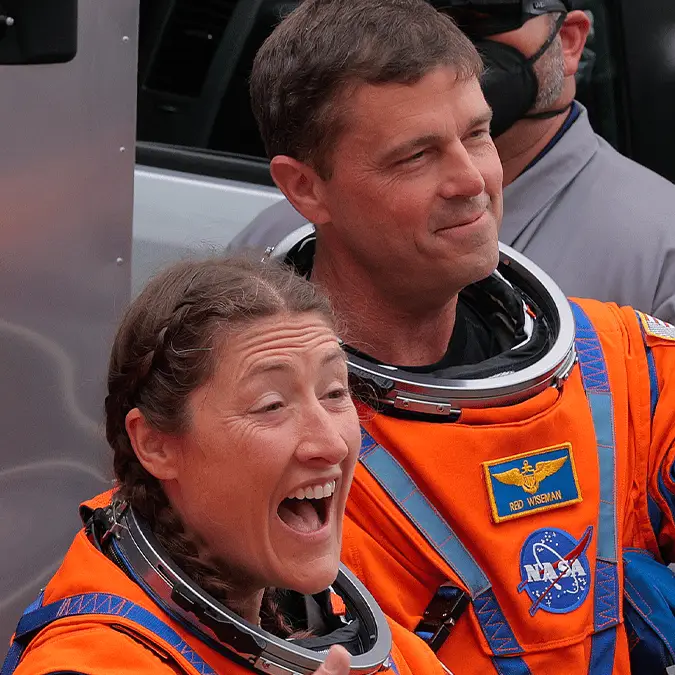
Artemis 2 astronauts could be about to undergo the most dangerous 14 minutes of their lives


It's only been a week since the historic Artemis 2 mission launched from NASA's Kennedy Space Center, yet in just a couple of days the astronauts will be making their return to Earth.
Having traveled further than any human in history and witnessed a number of jaw-dropping and 'indescribable' sights throughout their time on board the Orion spacecraft in orbit of the Moon, the Artemis 2 crew are scheduled to splash down into the ocean just off the coast of San Diego on Friday.
You might find it difficult to catch a glimpse of the astronauts landing from space due to the time of their arrival, but the roughly 14-minute stretch before they reenter Earth's atmosphere might actually be the most dangerous.
It's certainly not anything new for NASA to deal with, as every manned spacecraft has to go through the same experience when making its journey back home, but that doesn't mean it's still not a frightening process that could technically put the lives of the astronauts at risk.
Advert

As reported by the Telegraph, the main reason why this reentry process is so dangerous relates to the heat that the Orion spacecraft will experience with the ship's heat shield blocking temperates of around 2,760 degrees Celsius (roughly 5,000 degrees Fahrenheit).
Of course, the astronauts won't feel any of this inside the craft as NASA's scientists have designed and tested it to ensure their safety, but you can't help worry about the minuscule possibility that something could go wrong.
Part of the reason why the Artemis mission had a first part was to ensure that everything was up to scratch, as the first launch was unmanned to put the Orion through its paces.
Speaking to LADbible, Dr Megan Argo, Senior Lecturer in Astrophysics at the University of Lancashire explained that 'one of the significantly dangerous parts of the mission' was the initial launch, which couldn't have gone better. But the real danger comes with re-entry. Dr Argo said: ""The other major part of the mission that's really, really risky is when they come back at re-entry."
"When the capsule comes back through the Earth's atmosphere it has a heat shield on the flat end of the spacecraft to try and take away some of the heat that's generated in that re-entry process.
"As it's flying through the atmosphere, you get what's called a bow shock built up at the front of it, and that bow shock generates an awful lot of heat, thousands of degrees.
"It can get to temperatures rivalling half the heat of the sun's surface, very, very high temperatures that can melt metal.
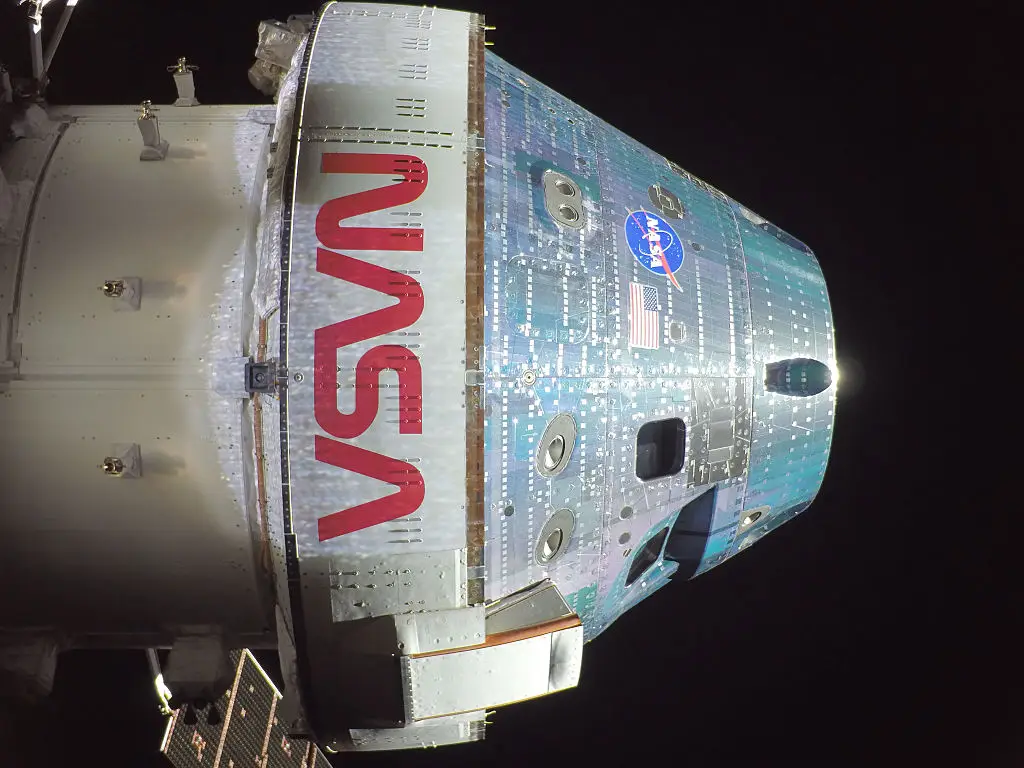
It'll only be a few minutes within that 14-minute stretch where the temperatures will be at their peak, but throughout the process as a whole the four astronauts inside the spacecraft will experience significant shaking, complete radio blackout, multiple units of g-force, and they'll also be able to see incredibly bright plasma and flames outside the window to calm them down.
Once they land though they'll be taken to a nearby naval vessel, and then flown to NASA's Johnson Space Center in Houston for extensive health checks despite their comparatively short time spent in space.
It's certainly good preparation for the next trip though, as everything now leads up to the third Artemis mission which will allow them to finally set foot on the moon, and potentially pave the way for a permanent base on Earth's nearest satellite.
When will Artemis 2 return Earth?
Artemis 2 splashdown is set for Friday 10th April. The astronauts are already on their way back, with the journey totalling about four days. With parachutes from the Orion craft assisting them, they'll splashdown in the Pacific Ocean just off the coast of California.