NASA finds huge crater after object the size of six-storey building smashed into Moon unnoticed


Scientists have made an incredible new discovery on the Moon after a lunar event went unnoticed down on Earth.
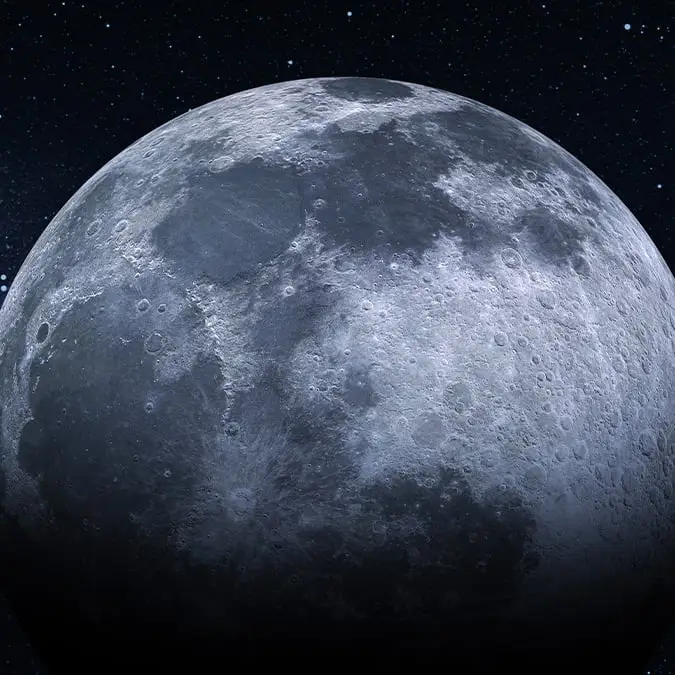
NASA revealed that a huge crater had been uncovered on the surface of the lunar rock which indicates that a large collision must have taken place in the last two years.
Unbelievably, experts on Earth missed the major event, having now found a new pit which is said to be larger than the iconic Colosseum in Rome, Italy.
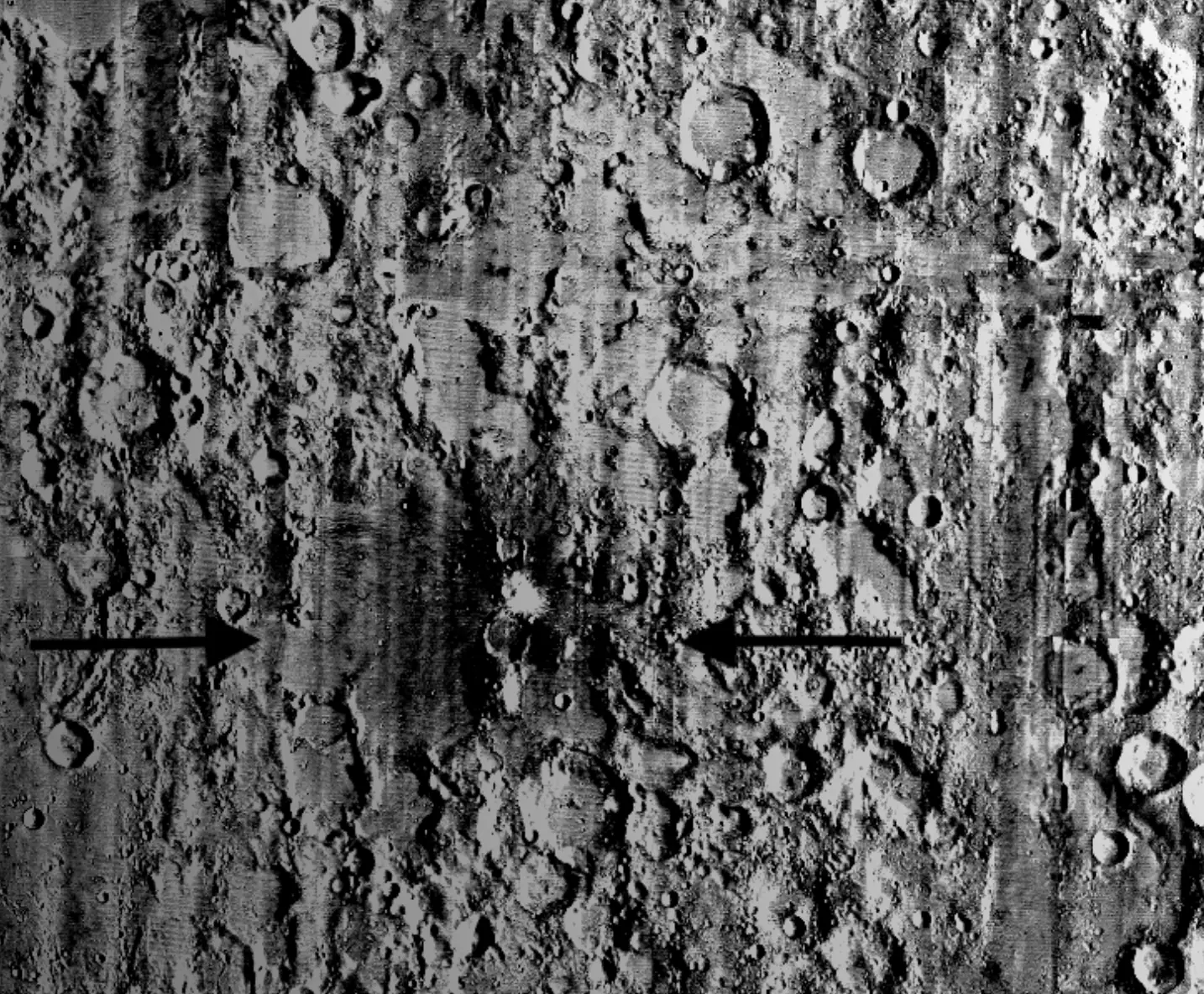
The space agency shared in a release that the discovery was made by Robert Wagner, a scientist with NASA’s Lunar Reconnaissance Orbiter (LRO), who scanned a giant Moon map on his computer screen.
Advert
There, he noticed an unusually large bright spot which was circled by a dark halo.
Wagner explained: “I just stopped, dropped everything, and started looking into what that spot was.”
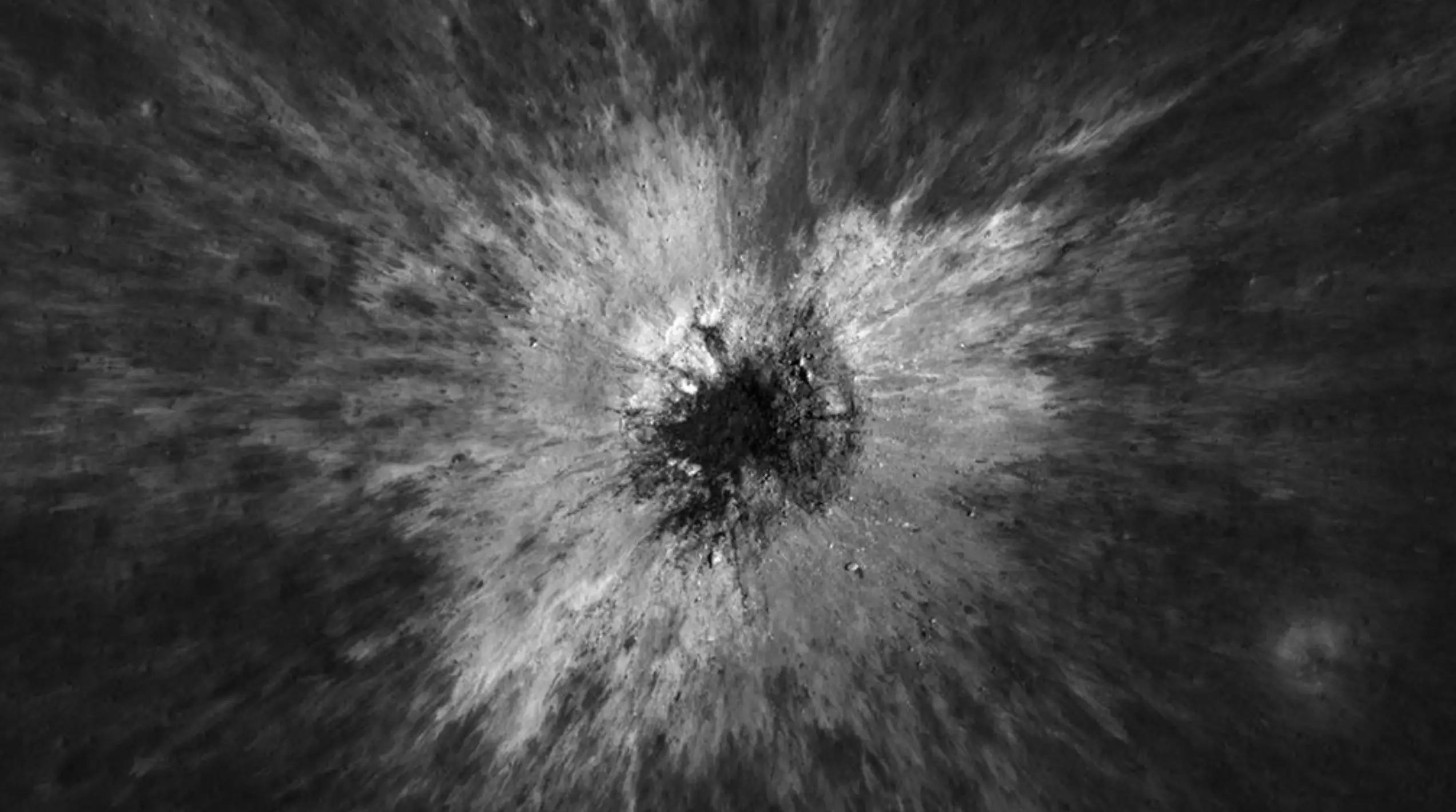
According to experts, such a crash is a once-in-over-a-hundred-years event, with the collision estimated to have happened some time between April 11 and May 22, 2024 by a comet or asteroid roughly the size of a three to six-storey building.
The crater it formed has since been named McGetchin after pioneering lunar scientist Tom McGetchin.
The Moon is a target for collisions
The scale of the impact is unusual but it is common for the Moon to be hit with space objects as the LRO, which has observed the lunar rock for over 17 years, has observed.
The team has identified ‘at least 1,000 new impact craters throughout the mission and flagged 100,000 more surface changes from an object smashing into the Moon or from the debris that flung out after’.
NASA explained: “With no atmosphere to slow them or burn them up, space rocks and other objects easily reach the lunar surface. Most are much smaller compared to the object that carved out McGetchin crater. The smallest craters scientists can distinguish from LRO images are about 30 feet wide, the length of a three-story building laid on its side, made by rocks about 43 inches wide, the size of a monster-truck tire.
“Scientists estimate that impacts of this scale produce about 140 new craters across the Moon each year. But most new ones are made by microscopic projectiles that leave holes too small to identify in orbital images.”
How will this impact humans on the Moon?
With hopes for a permanent lunar base to be established in the near future, questions have been raised about how safe astronauts would be if collisions are common on the lunar surface.
The next step for NASA is now to calculate the ‘risk of ejected crater material striking NASA’s planned moon base’, and how they can make sure it doesn’t hit humans in the future.