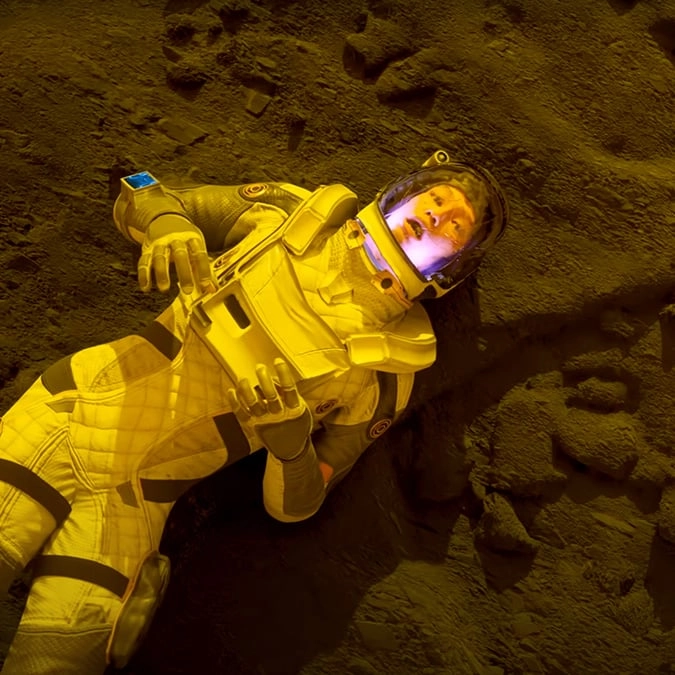
Horrifying simulation shows what dying on every planet would look like


Have you ever wondered what the conditions on every planet is like?
With Earth being the only habitable planet in the solar system, it’s inevitable that without equipment, we would die if we landed elsewhere.
And now a horrifying simulation shows exactly what dying on each planet would look like.
Advert
In a video uploaded to YouTube by the What If channel, the simulation details just what dying on other planets would be like.
First up is Venus, which is a hot planet that would ‘crush you like a plastic bottle’.
This is because the atmospheric pressure is 92 times higher on Venus than it is on Earth.
The video explains: “It would only take a millisecond before it started crumpling your space suit, after one second your suit’s integrity would be compromised, you’d be trapped in the imploding space suit with no way out.”
Next up is Mercury which, despite being the planet closest to the sun, doesn’t have an atmosphere.
Due to this, the planet can’t trap any of the sun’s heat, meaning its temperatures are freezing at night.
If you found yourself landing on Mercury, you’d soon start to experience signs of hypothermia, including numbness in your fingers and toes, and shivering.
According to the video: “After 10 minutes in this extreme cold, you’d barely be able to move.”
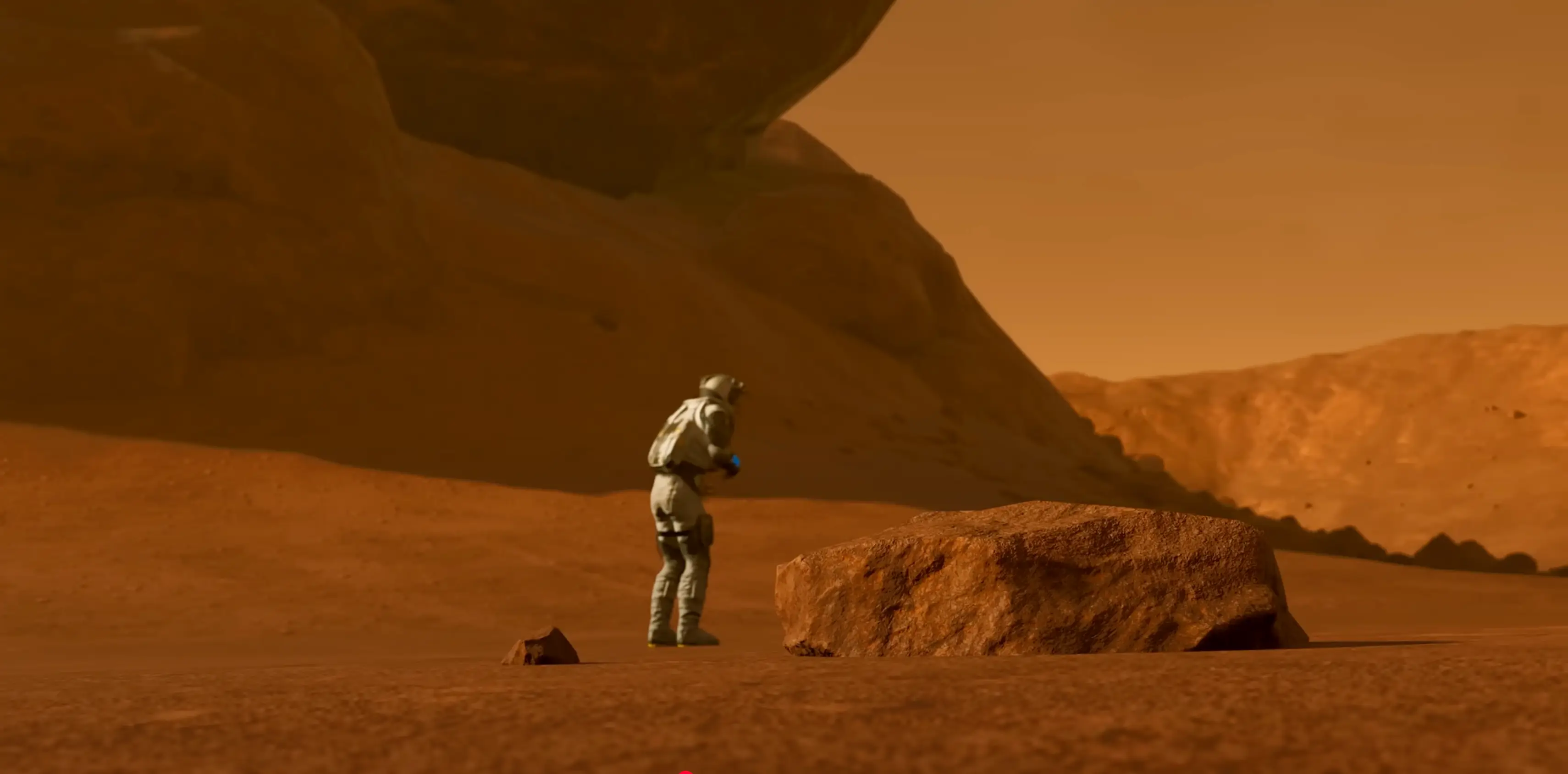
During the day isn’t much better - Mercury is boiling hot in the day and you would die within seconds from radiation burns.
So, what about Mars? While it might seem a lot more promising at first, Mars is still outside of the sun’s habitable zone.
Without your space suit, you won’t be able to breathe and the air in Mars, which is mostly made up of carbon dioxide, will leave you gasping for breath.
Now for Jupiter - the gas giant doesn’t have a solid surface but if you travelled into its clouds in a spaceship, you would experience extreme turbulence from the storm clouds.
Massive lightning bolts would strike around you and, when one inevitably hits your vessel, you’d lose power.
This is because Jupiter’s lightning is so strong, it’s enough to power an entire city.
As Uranus is an ice giant, it has the coldest atmosphere out of all the planets in our solar system.
One way to die would be to suffocate in its gases as ‘2% of the Uranian atmosphere is methane, a gas that's toxic to humans. Now 2% might not sound like a whole lot but it's concentrated enough to kill you within minutes’.
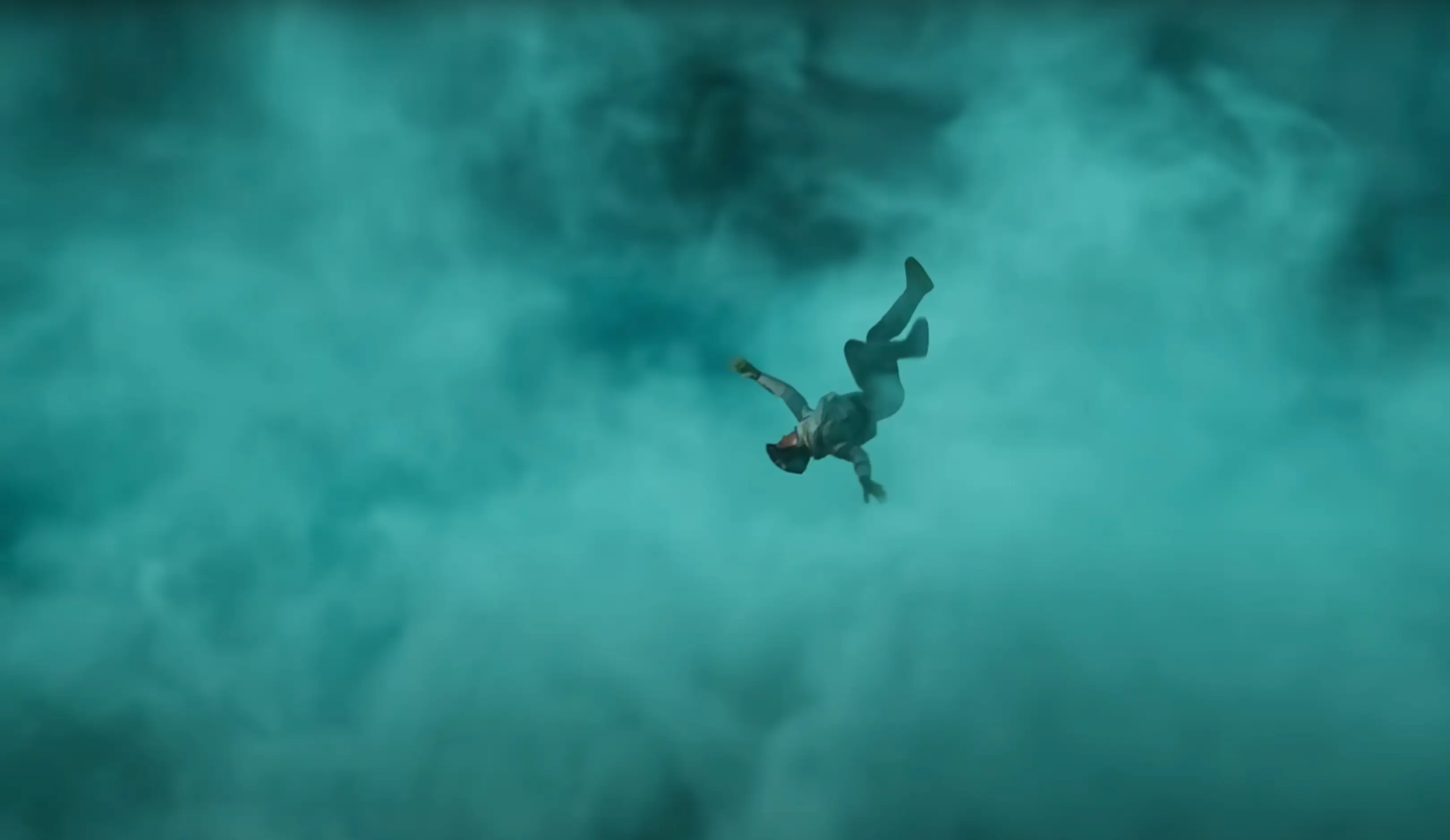
The video continues: “Uranus has other surprising ways to off you like turning you into a humanized diamond.
Last but not least is Neptune, which looks a lot like Uranus, only Neptune has one thing Uranus does not - extreme winds.
The video goes on to say: “Not only are these winds extremely fast but they're also turbulent they create swirling vortices that would throw your spaceship in different directions intense atmospheric pressure winds and methane ice would start ripping the ship apart but that's not all, if you got caught in the neptunian supersonic vortex, the winds would violently spin the ship and this centrifugal force would desert some serious G forces.
“As Neptune's winds accelerated your ship to about 10 Gs, everything inside your body would feel heavy, that would be your organs getting compressed inside your body, your blood would pool around your legs and cause oxygen deprivation to your brain.”
Might be best to stay put on Earth!