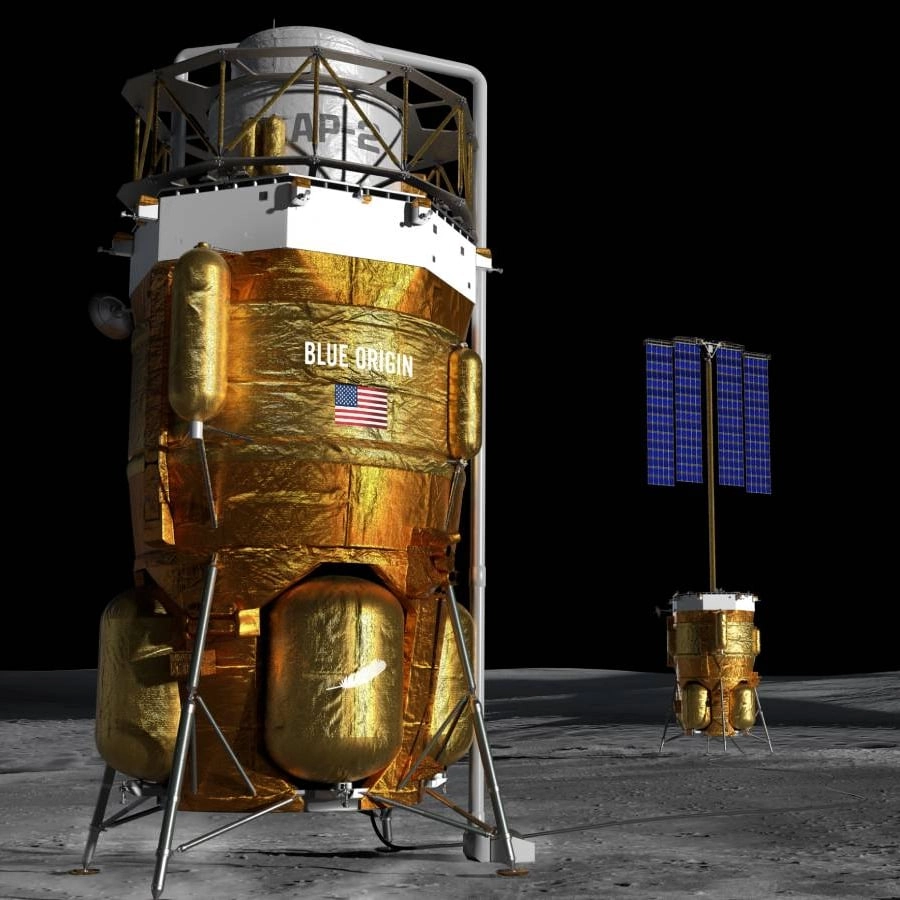
Jeff Bezos' Blue Origin makes oxygen from Moon dust in game-changing spaceflight success


Jeff Bezos is once again reaching for the stars with Blue Origin, and while the private American space company is typically associated with space tourism, its latest discovery could revolutionize the wider industry.
We know that Elon Musk's SpaceX is working closely with NASA as the Artemis program hopes to put mankind back on the Moon for the first time in over 50 years, but in a different corner of the cosmos, Blue Origin has been able to extract oxygen from dust on the lunar surface.
It's no secret tha Jeff Bezos and Elon Musk have a bit of a troubled past, with the latter supposedly referring to the Amazon founder as a 'tool'.
Musk also rebranded Blue Origin as 'Sue Origin' over a NASA contract dispute, while the pair have locked horns over patents and SpaceX's use of the historic NASA Launchpad 39A. However, with Blue Origin discovering oxygen in Moon dust, could the pair finally be forced to work together?
What is Blue Origin's Moon dust discovery?
Advert
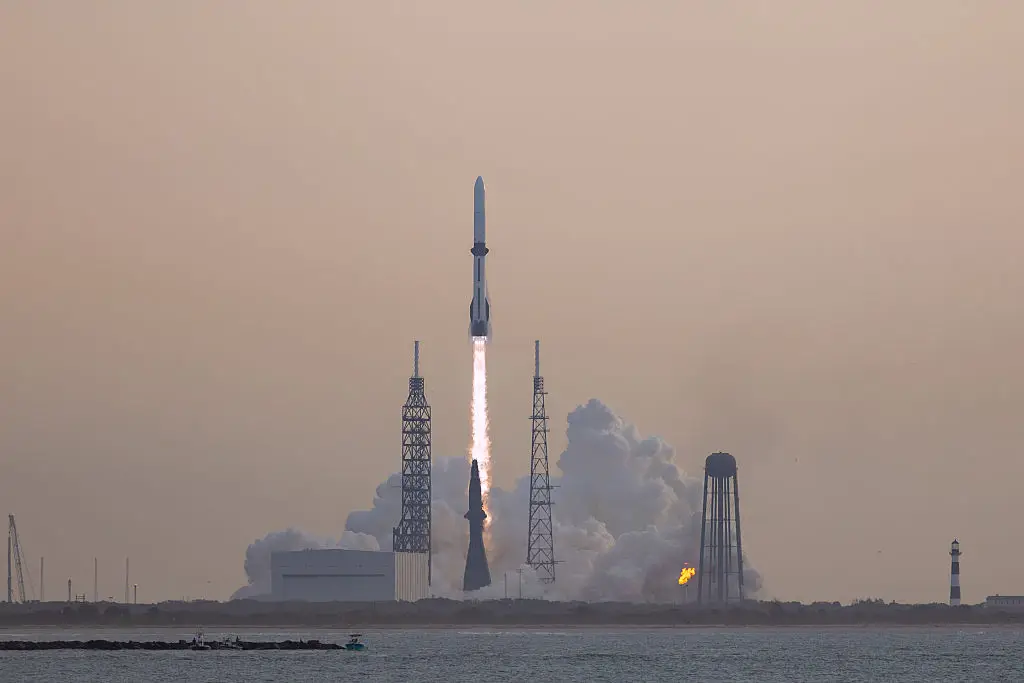
Even though Blue Origin has unfavorably been in the news thanks to a fiery explosion of its New Glenn rocket, it could be back in the media's good book with its latest discovery.
As reported by the BBC's Sky at Night, Blue Origin has announced its Air Pioneer reactor, which is a system supposedly capable of extracting all-important oxygen from lunar soil.
The high-temperature process converts the dusty material covering the Moon's surface (known as lunar regolith) into breathable oxygen. Something we mere humans are pretty reliant on while up on the Moon.
As we refocus our efforts on colonizing the Moon, one of the big stumbling blocks remains the costly and inventory-filling challenge of transporting fuel and resources like oxygen up to the stars.
It's said that scientists have known for a long time that lunar regolith is an oxygen-rich lifeline, but extracting the oxygen remains a tricky process.
Forming part of Blue Origin's wider Blue Alchemist program, the Air Pioneer reactor builds on previous work into molten regolith electrolysis.
Cheering this latest landmark, vice president of advanced concepts and enterprise engineering Pat Remias said: "Blue Alchemist changes everything about how we approach space. It is the foundation for a sustainable robotic and human presence across the Solar System.
"Each kilogram of oxygen we make on the lunar surface is one less that we have to launch from Earth, making it a giant leap toward permanent settlements as well as critical resources for transportation to the Moon, Mars and beyond."
One small step for man
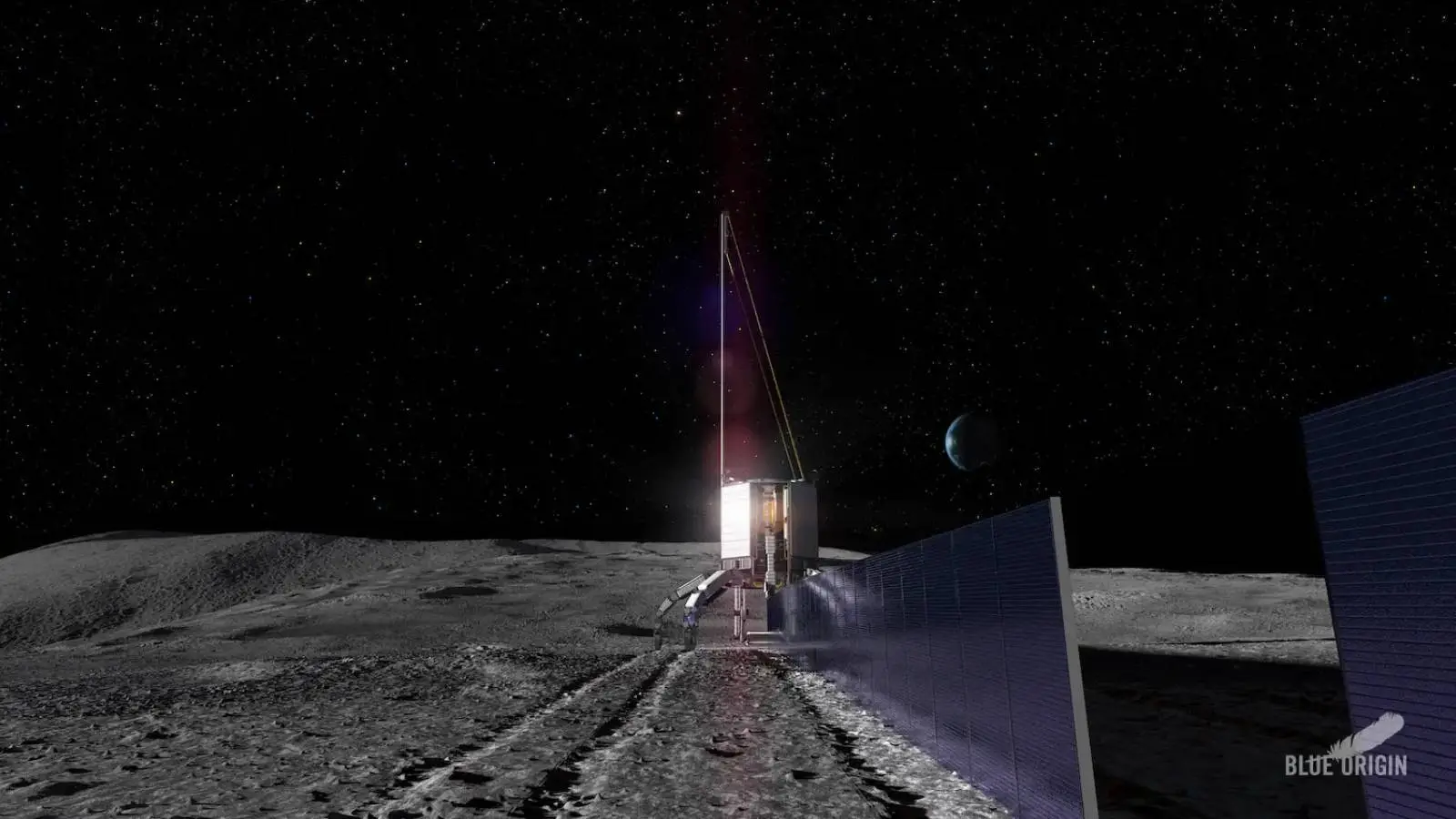
Back in September 2025, Blue Origin announced that Blue Alchemist has completed its Critical Design Review (CDR), with hopes of turning the Moon and Mars into "self-sustaining worlds where robots and humans can go beyond visiting and truly explore, grow, live, and thrive."
Instead of taking materials from Earth to the Moon at an enormous cost, Blue Origin plans to convert what's already there into what we need to survive. Lunar regolith will be used for solar power systems and breathable oxygen, as well as being transformed into propellant-grade oxygen for refueling, whereas the likes of iron, silicon, glasses, and ceramics are extracted via the company's Molten Regolith Electrolysis (MRE) reactor.
In an April 2026 post, Blue Origin reiterated that we need to learn to live off the land, with Air Pioneer helping to do that as a scalable, modular system. By reducing the load of our lunar landers by many metric tons of mass, it'll lower the cost of launching from Earth and help fuel a 'future cislunar economy'.