Astronaut threatened to never return to Earth leading NASA to make life-saving change


An astronaut once threatened ground control that he would never return to Earth unless they allowed him to carry on with his experiment.
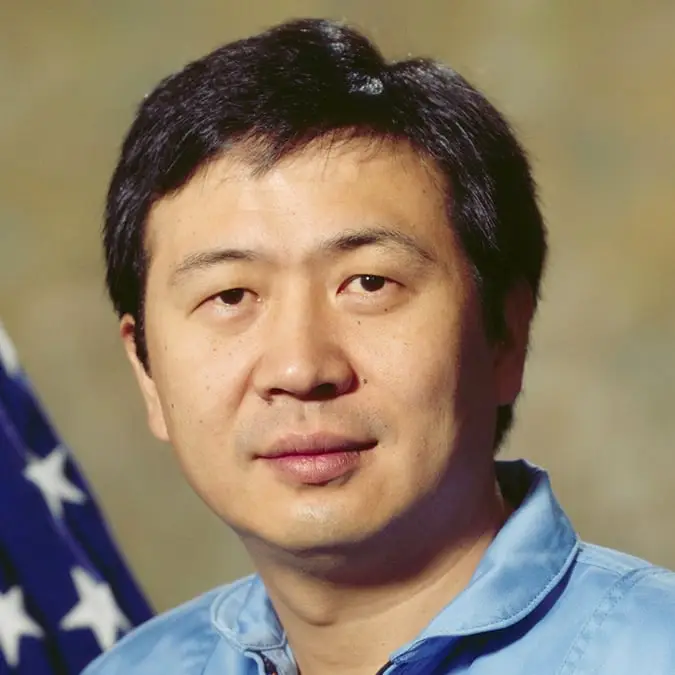
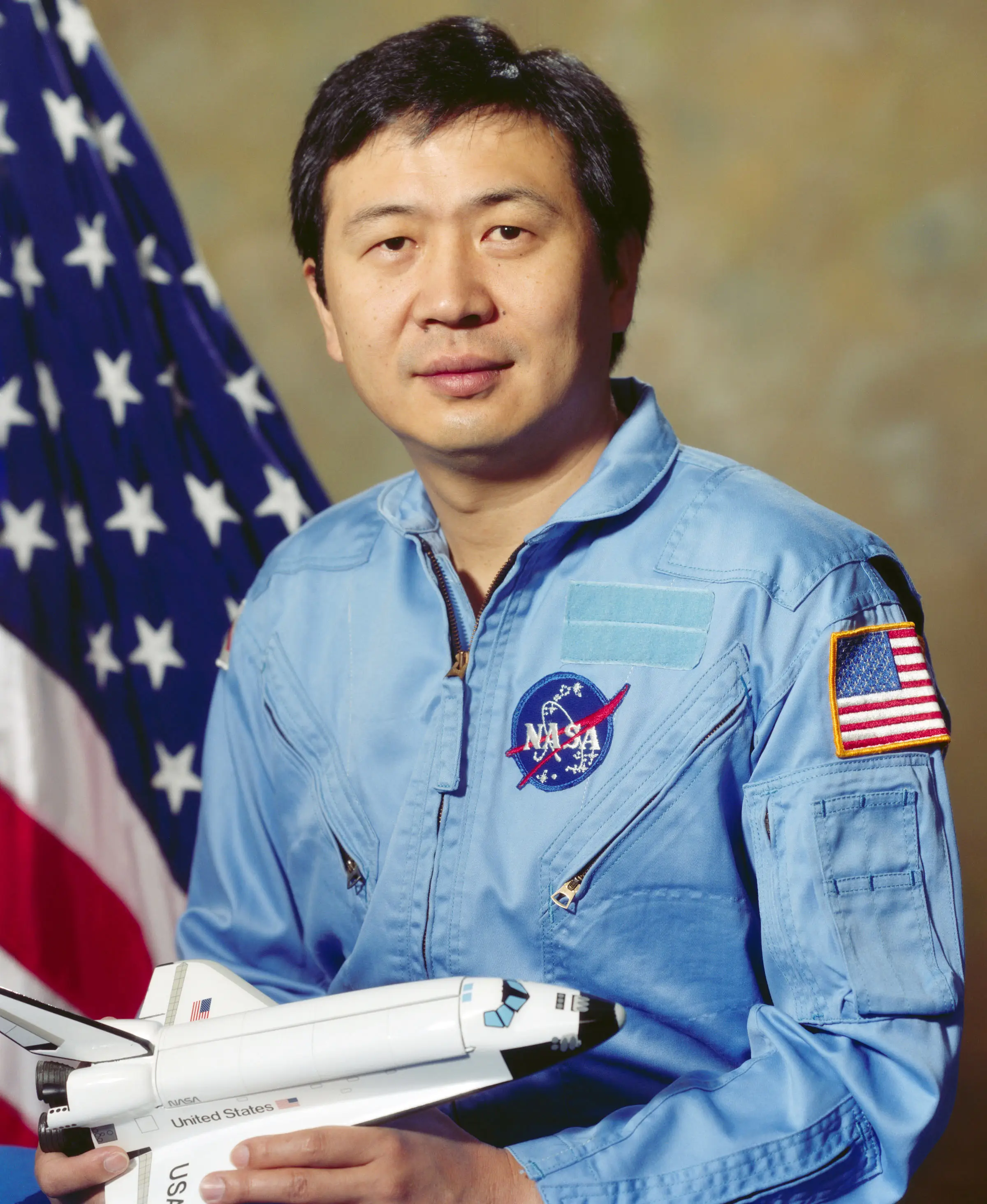
Payload specialist Taylor Wang became the first Chinese person to ever fly to space, which he embarked on in Shuttle mission STS-51-B back in 1985.
While the scientist had never planned to go to space, he was recruited by NASA to work on fluid physics experiments in microgravity.
However, despite working on his experiment for nearly 10 years, when it came to testing it out in orbit, it failed to work correctly.
Advert
At the time, Wang asked flight controllers if he could have more time to figure out what the problem was so that he could repair it, even pleading with them to ‘give him a shot’ but due to time constraints, this was refused.
In frustration, Wang said: “Hey, if you guys don’t give me a chance to repair my instrument, I’m not going back.”
Later, for a book titled Space Shuttle published in 2002, Wang recalled the moment, saying: “When I turned on my own instrument, it didn’t work. You can imagine my panic. I had spent five years preparing for this one experiment. Not only that, I was the first person of Chinese descent to fly on the Shuttle, and the Chinese community had taken a great deal of interest.
“You have to understand the Asian culture. You don’t just represent yourself; you represent your family. The first thing you learn as a kid is to bring no shame to the family. So when I realized that my experiment had failed, I could imagine my father telling me, ‘what’s the matter with you? Can’t you even do an experiment right?’ I was really in a very desperate situation.”
It seems NASA made some vital changes following the incident as just months later, when the next mission took off, crew member John Fabian recalled in the JSC Oral History Project: “We put a lock on the door of the side hatch. It was installed when we got into orbit so that the door could not be opened from the inside and commit hari-kari, killing the whole crew. That was not because of anybody we had on our flight but because of a concern about someone who had flown before 51-G.”
Brewster Shaw, who was the commander of a separate mission months after Wang’s mission, said: “I remember I got this padlock, and when we got on orbit, I went down to the hatch on the side of the Orbiter, and I padlocked the hatch control so that you could not open the hatch.
“I mean, on the Orbiter in orbit you can go down there and you just flip this little thing and you crank that handle once, the hatch opens and all the air goes out and everybody goes out with it, just like that.
“And I thought to myself, ‘Jeez, I don’t know this guy very well. He might flip out or something.’ So I padlocked the hatch shut right after we got on orbit, and I didn’t take the padlock off until we were in de-orbit prep. I don’t know if I was supposed to do that or not, but that’s a decision I made as being responsible for my crew and I just did it.”