Scientists discover 'zombie' fungus 'straight out of The Last Of Us' that could be used for human medicine


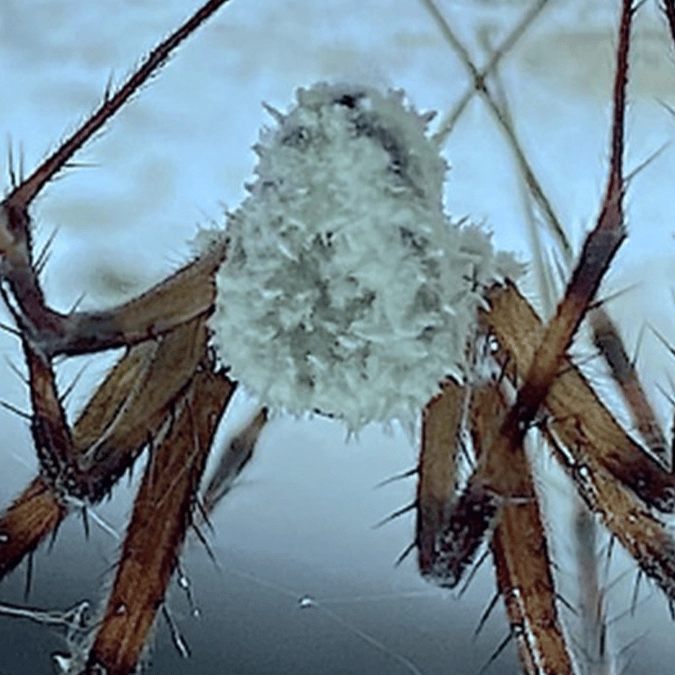
A newly discovered species that's turning spiders into zombies looks eerily similar way to the exploding ant fungus that inspired The Last of Us.
Scientists were filming a TV documentary inside an old Victorian gunpowder store in Northern Ireland when they came across something extraordinary but also nightmare-ish.
They found cave-dwelling 'zombie' spiders that had been infected by a strange fungus that hijacked their bodies. It shares similarities with Ophiocordyceps, the infamous 'zombie ant' fungus that inspired The Last of Us. With Ophiocordyceps, the fungus manipulates the ants to crawl to areas where the fungi can thrive.
According to the team, the 'infected spiders exhibit behavioural changes similar to those reported for zombie ants.'
Advert
The newly found 'novel species' fungus named Gibellula attenboroughii - in honour of British biologist Sir David Attenborough infects 'cave-dwelling, orb-weaving spiders.'
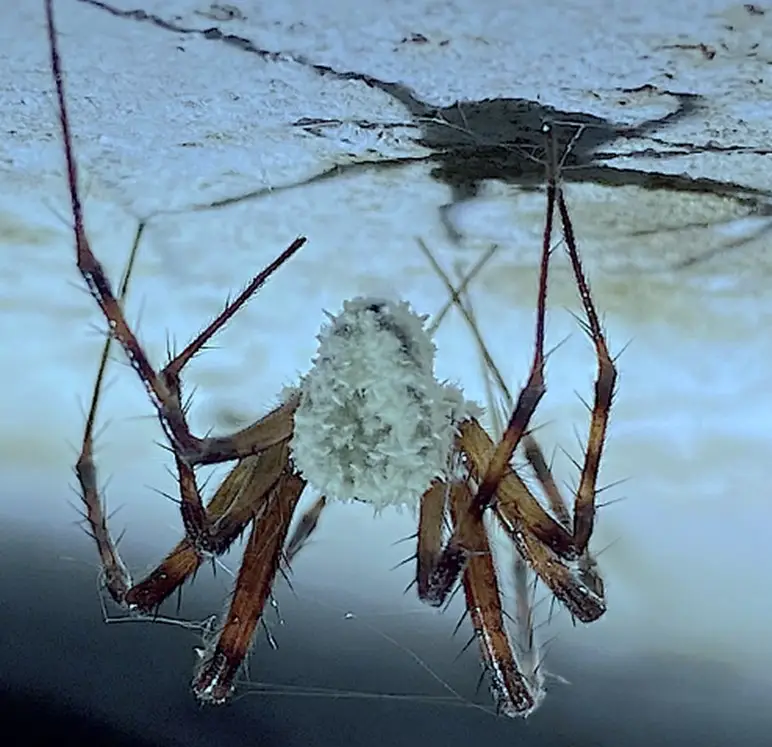
The infected spiders were reportedly positioned on the roof or walls of the caves. The findings were published in Fungal Systematics and Evolution.
Whilst both fungi have their differences, the way G. attenboroughii spreads is just as chill-inducing.
Study lead author and Center for Agriculture and Bioscience International researcher Harry Evans described how the process works.
Once infected, the spiders experience behavioural changes, similar to how the ant fungus manipulates its hosts. The fungus compels the spider to crawl to an open area, where air currents can better spread its spores.
And once in the open, a neurotoxin kills the spider and an antimicrobial substance preserves its body, allowing the fungus to fully take over and absorb its nutrients.
From the spider’s corpse, long fungal structures emerge and release terrifying-looking spores to repeat the process with new victims.
But onto the positive news so we can get some shuteye tonight...
Despite its unsettling nature, lead researcher Evans explained that this fungus may have some potential medical benefits.
In fact, the substances the fungus produces could be a 'medical treasure chest' which could lead to applications like antibiotics and other medical advancements.
But if anything, this study just goes to show how little we know about the 'zombie' fungi on our planet and its potential uses.
"There's a lot more fungi to find," Evans told Live Science. "The fungal kingdom could be up to 10, 20 million species, making it the biggest kingdom by far, but only one percent have been described."
He added: “Their [fungi] role in spider-population dynamics warrants further study, as does the metabolites they produce which enable them to exploit such a highly specific ecological niche.”