Scientists create new virus using AI-written genetic code in dystopian world-first


AI's role in science and medicine continues to expand at an astonishing pace, though it still feels like something out of science fiction.
Just in the past year, we've seen Google's parent company, Alphabet, running a secretive lab dedicated to curing the world's diseases, while a $270 million supercomputer is using AI to develop new drugs and vaccines.
Now, scientists have taken things a step further and successfully created an entirely new virus species in the lab.
Advert
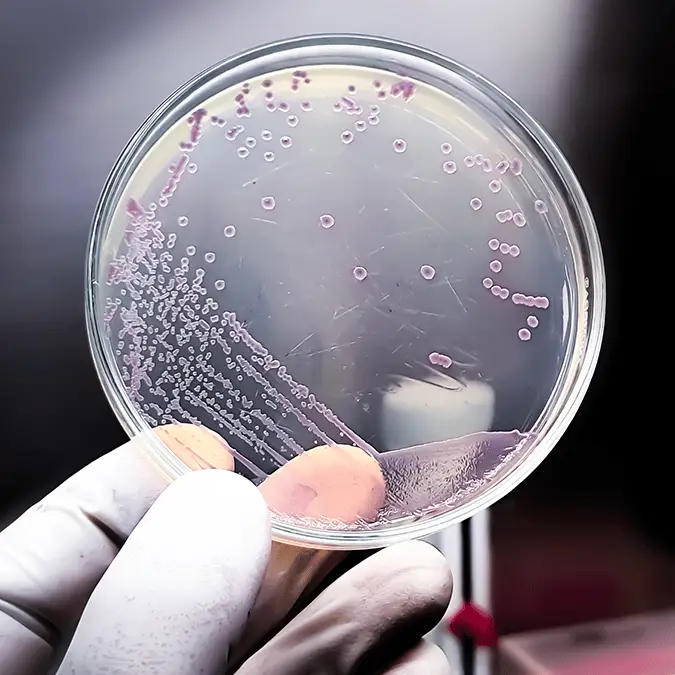
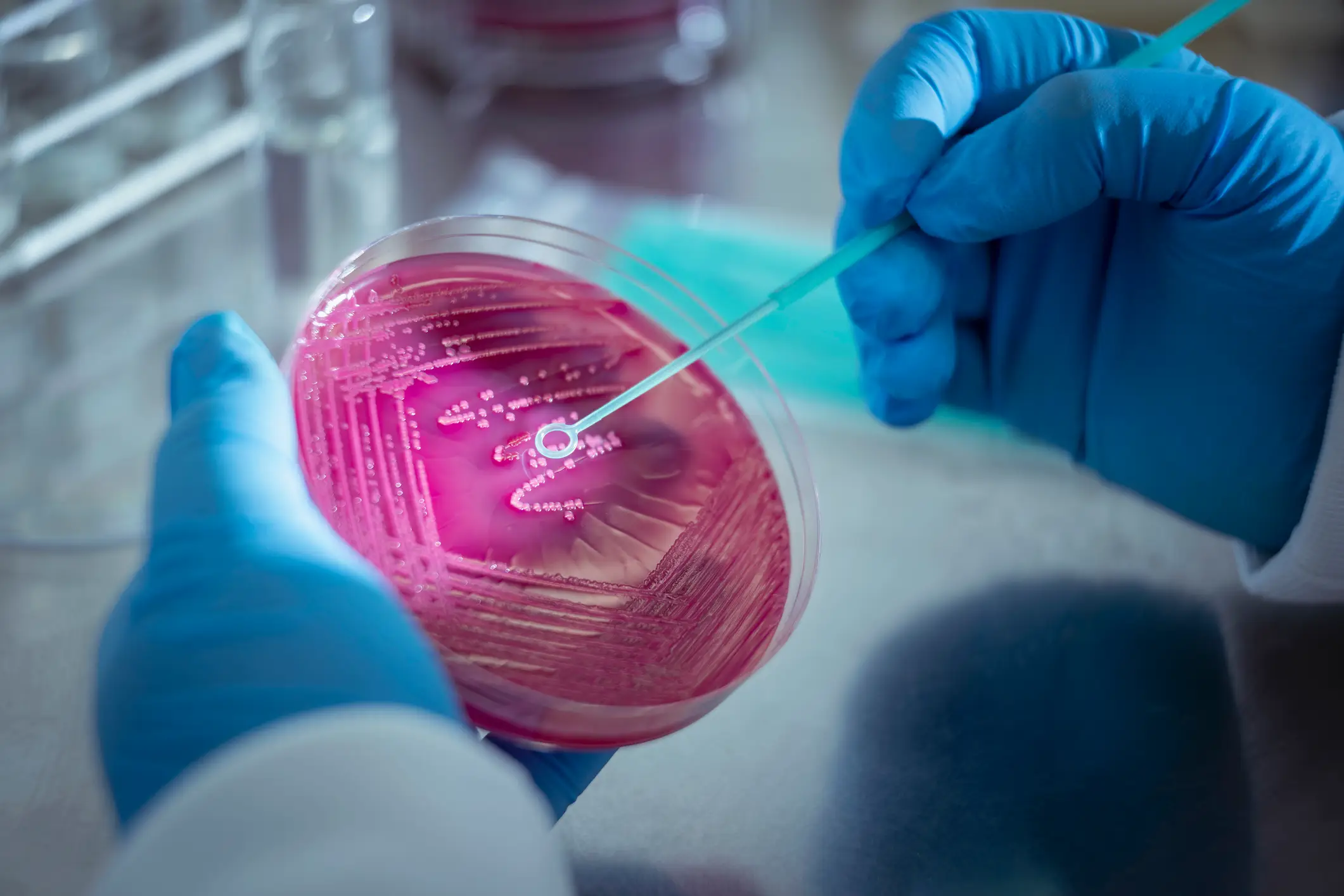
Researchers at Stanford University in California (published in Nature) used artificial intelligence to design the complete genome of the virus they've dubbed Evo-Φ2147. They then deployed it against colonies of the deadly E.coli bacteria.
"This is a massive, consequential moment," Adrian Woolfson, a British molecular biologist and tech entrepreneur, told the Sunday Times. He described it as a shift from 'a Darwinian world into a post-Darwinian landscape' where life can be intentionally designed.
While scientists have spent the past decade using gene-editing tools like CRISPR to swap out genetic code, these new techniques allow them to architect completely new genomes from scratch.
A genome contains all the DNA in an organism that allows it to develop, function and reproduce.
"For the last four billion years, evolution has been blind — there has been no foresight, there has been no intentionality," Woolfson explained in the same interview. "Now, instead of discovering species that have evolved in this ad hoc manner, suddenly we can make life — yes, in a rudimentary way, but the process has begun.
"This is not speculation. It’s not futuristic, it is happening."
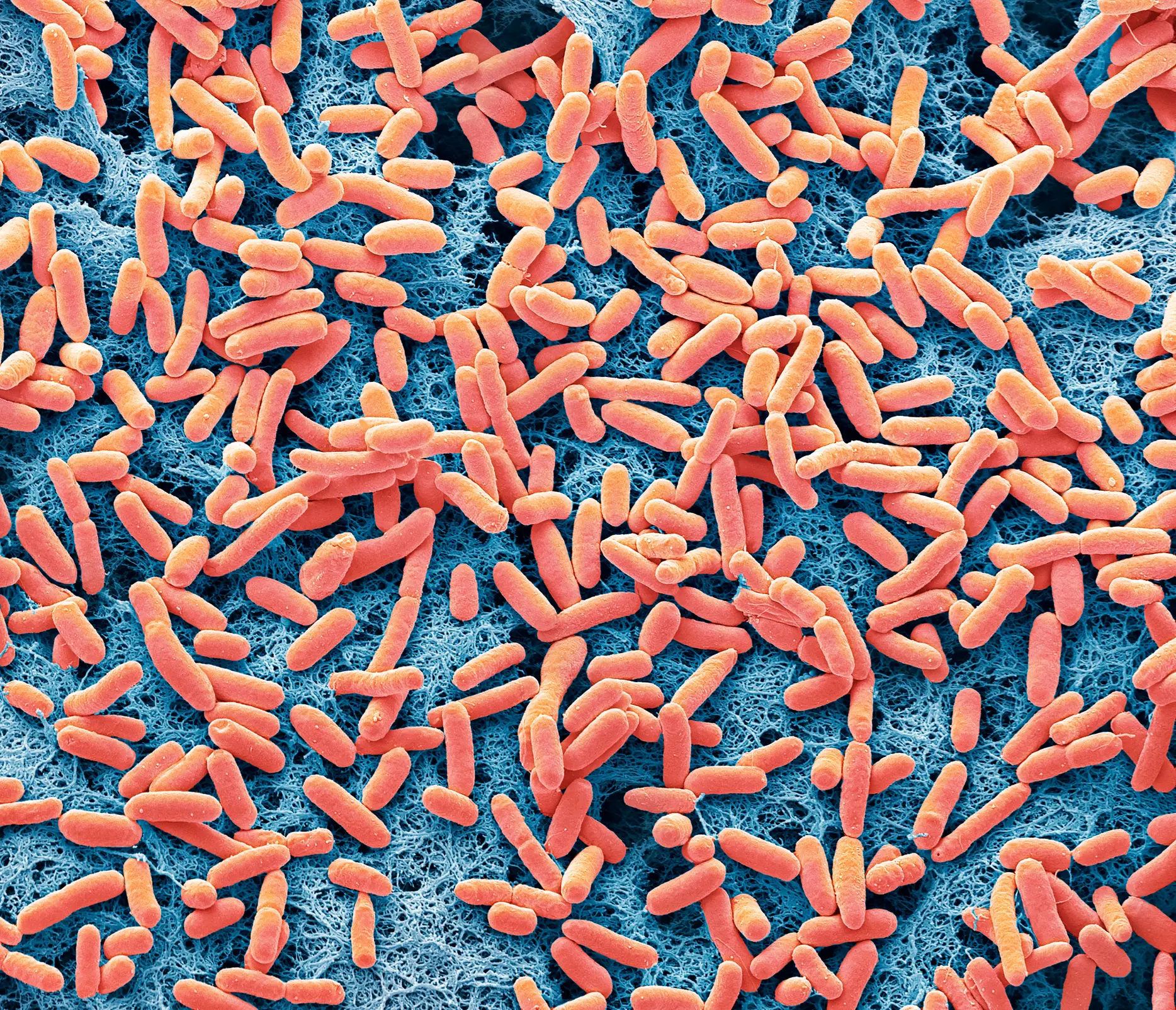
Evo-Φ2147 was actually just one of 285 new viruses generated by the AI program Evo2 and contains 11 genes compared to 20,000 in a human.
All of them were tested in petri dishes, and 16 successfully attacked E. coli, while a combination of them overcame the most drug-resistant forms of the bacteria.
To be clear, Evo-Φ2147 doesn't quite qualify as ‘life’ because it cannot reproduce outside of a host, but it does prove the concept that genomes can be custom-designed.
Meanwhile, a research team from the California Institute of Technology developed a new DNA construction tool called Sidewinder, capable of assembling long genetic sequences with an accuracy up to 100,000 times greater than that of any previous method.
"If you can control the source code of life, you can create anything and everything," said Kaihang Wang in an interview with the Sunday Times. "The only thing limiting it is our imagination."
Together, these two technologies could trigger a revolution in medicine, engineering entirely new species, or even resurrecting extinct ones, Woolfson claimed.