uniladtech homepage
  • News
    • Tech News
    • AI
  • Gadgets
    • Apple
    • iPhone
  • Gaming
    • Playstation
    • Xbox
  • Science
    • News
    • Space
  • Streaming
    • Netflix
  • Vehicles
    • Car News
  • Social Media
    • WhatsApp
    • YouTube
  • Advertise
  • Terms
  • Privacy & Cookies
  • LADbible Group
  • LADbible
  • UNILAD
  • SPORTbible
  • GAMINGbible
  • Tyla
  • FOODbible
  • License Our Content
  • About Us & Contact
  • Jobs
  • Latest
  • Archive
  • Topics A-Z
  • Authors
Facebook
Instagram
X
TikTok
Snapchat
WhatsApp
Submit Your Content
Rare photos of 'ghost dog' finally captured as scientists make phenomenal discovery

Home>Science
Published 10:17 17 Jun 2026 GMT+1

Rare photos of 'ghost dog' finally captured as scientists make phenomenal discovery

The cameras captured over 594 photos of the species

Rebekah Jordan

Rebekah Jordan

google discoverFollow us on Google Discover
Featured Image Credit: G. Ayala & M.E Viscarra/Wallace et al. 2026, Neotropical Biology and Conservation
Science
World News
News
Travel
Tech News

Advert

Advert

Advert

While some genetic experts are racing to bring species back from extinction after thousands of years, others are analysing the tragic decline of certain animals hunted to the brink.

But on a more uplifting note, scientists have found some surprising numbers for one Amazonian predator, the rare 'ghost dog'.

The short-eared dog (Atelocynus microtis), one of the least known and most elusive wild canids on the planet, has long been considered rare to the point of near-invisibility.
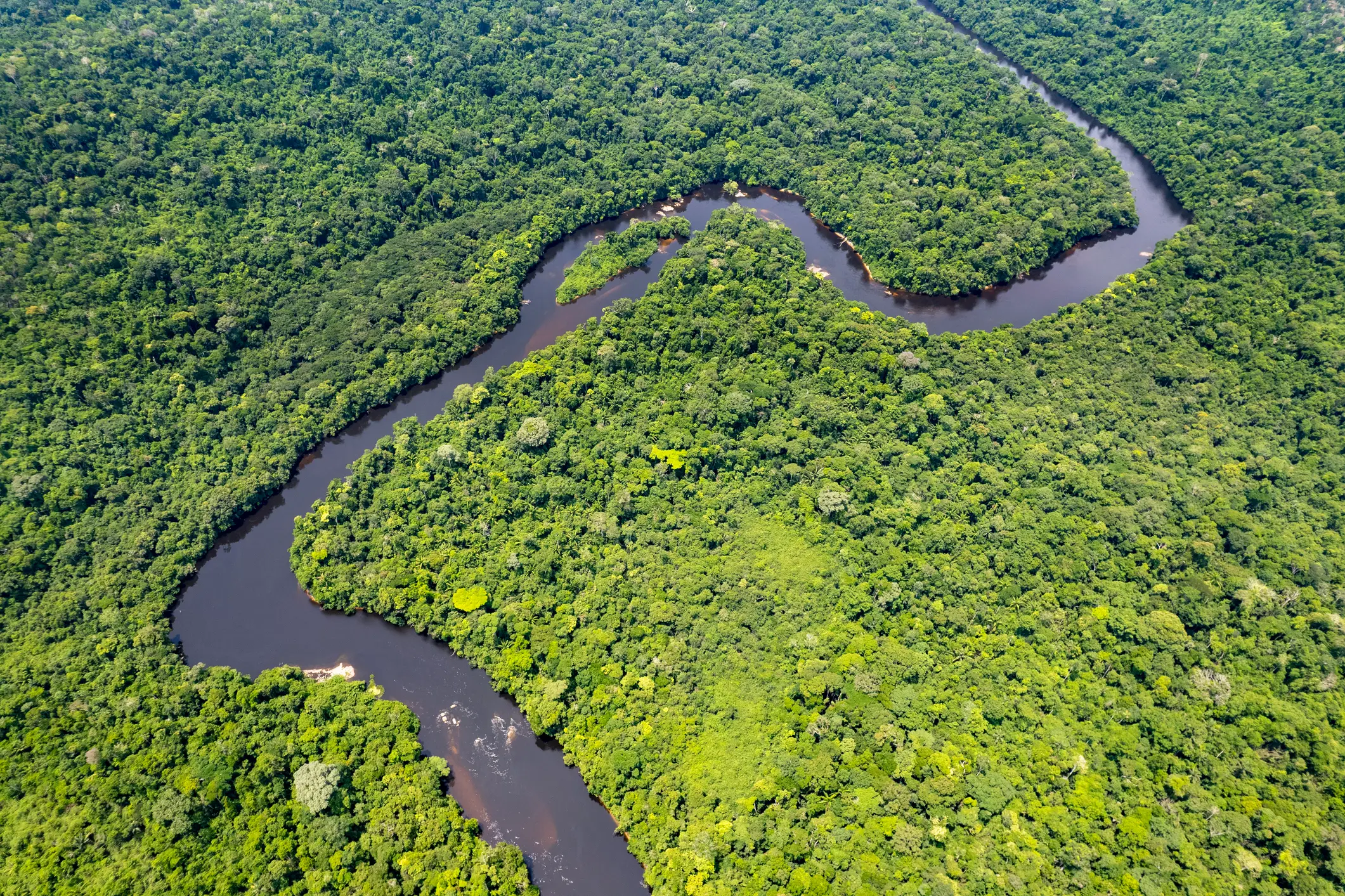
The short-eared dog lives at a density of around 15 individuals per 38.6 square miles deep within upland forest areas (Andre Pinto/Getty Images)

Advert

Known among researchers as the 'ghost dog,' it has earned that nickname through its elusive lifestyle. Its acute hearing, powerful sense of smell and secretive nature make sightings in the wild extraordinarily rare.

Now, thanks to some impressive camera traps across Bolivia and Peru, researchers have revealed that the species is more abundant than previously believed.

Over 25 years, the team collected 500 records of the species across Bolivia and carried out 34 intensive camera-trap surveys, mainly within the Greater Madidi-Tambopata and Llanos de Moxos Biocultural Landscapes and remarkably, the study pulled in more than 594 photographs of an animal that almost no one had seen.

“The most surprising aspect of the results was that despite being an almost mythical beast, short-eared dogs are much more abundant than we had imagined,” scientists wrote in the study published in the journal Neotropical Biology and Conservation.

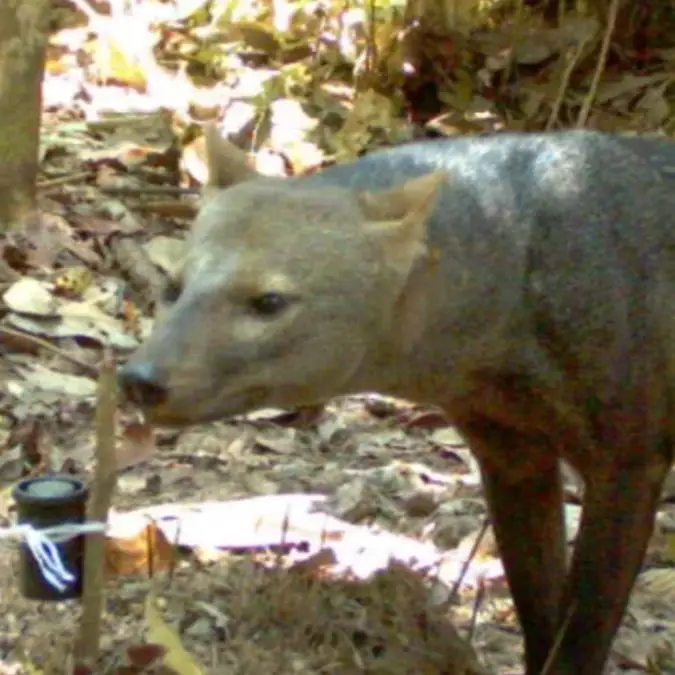
As the photos show, the short-eared dog has a dense, dark coat ranging from blackish-grey to reddish-brown, a large head, small, rounded ears, short legs, and a long, bushy tail.
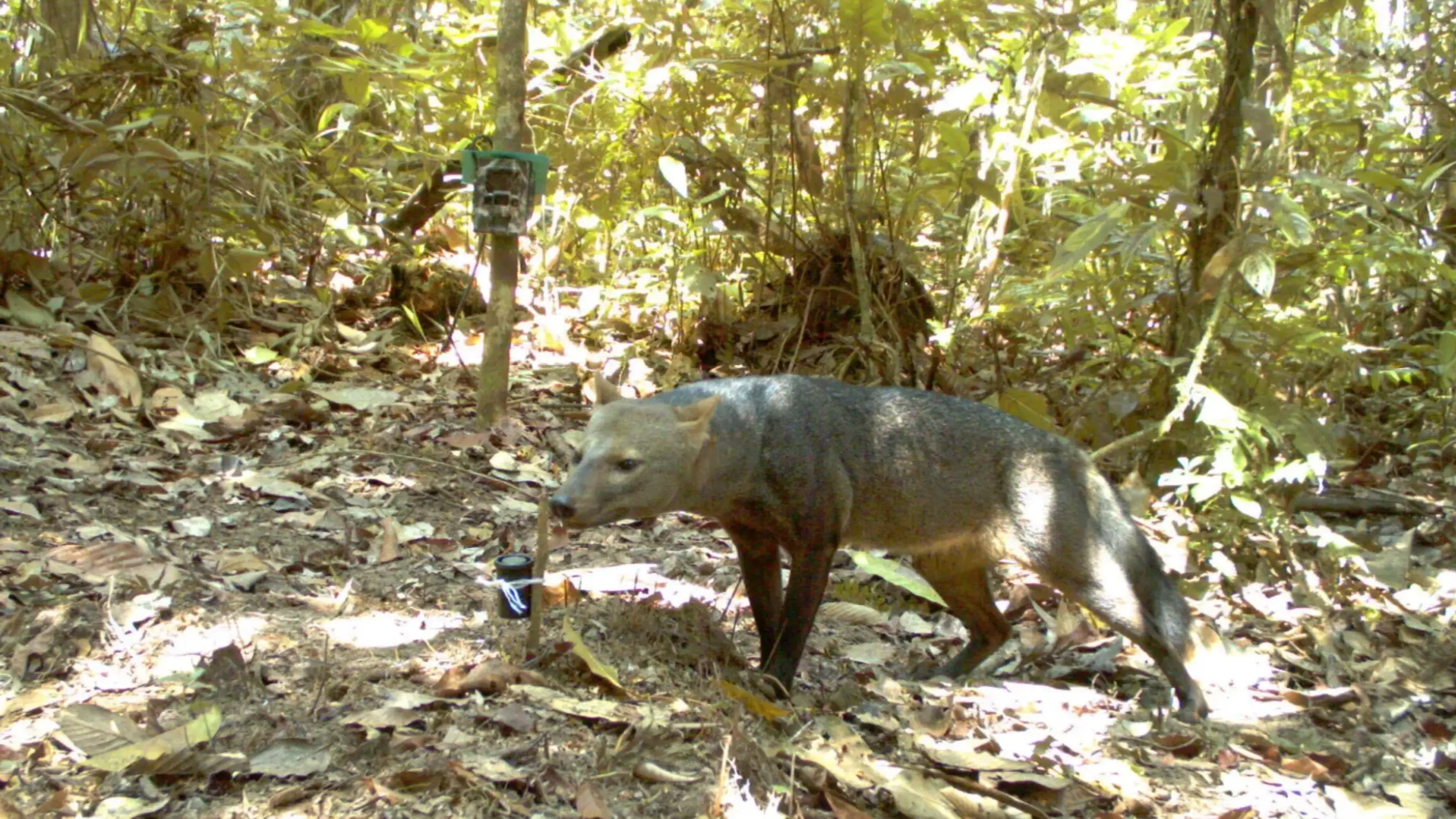
The dog's acute hearing, powerful sense of smell and secretive nature make sightings in the wild very rare (G. Ayala & M.E Viscarra/Wallace et al. 2026, Neotropical Biology and Conservation)

Unlike other Amazon dog species, the 'ghost dog' has partially webbed paws.

Camera trap data suggests the species lives at a density of around 15 individuals per 100 square kilometers (38.6 square miles) deep within upland forest areas, making it more abundant than larger carnivores like jaguars, though less common than medium-sized predators like ocelots.

The team described the study as a 'wonderful example of how conservation technology and remote sensing [...] can provide substantial data on one of the least known species of the Amazonian rainforests'.

The dogs appear to be most active during the day, with peak activity recorded between 6am and noon. Their preference for upland forests and for being away from rivers also explains why they have gone unnoticed by humans, but because the dog is so closely tied to intact upland forest, its future depends almost entirely on the health of its habitat.

“The most important management strategy is the protection of Amazonian forest canopy for which the creation and effective management of protected areas is the most important element, in combination with the sustainable management of Indigenous territories,” scientists added.

Choose your content:

16 mins ago
an hour ago
20 hours ago
22 hours ago
  • KTSDesign/SCIENCEPHOTOLIBRARY/Getty Images
    16 mins ago

    Scientists issue first update in 15 years on alien contact placing strict 'no reply' rule on all humans

    Experts warn how social media and AI could impact such an encounter

    Science
  • Find Melissa Mondragon Casias / Facebook
    an hour ago

    Ex-FBI agent claims 'voice-to-skull tech' could be behind string of missing scientists

    New suggestions hint towards cases of Havana Syndrome

    Science
  • David Merron Photography/Getty Images
    20 hours ago

    Scientists alarmed as Antarctica records ‘absolutely crazy’ winter temperatures 20°C above normal

    Melting ice in Antarctica could have a devastating impact globally

    Science
  • Pool / Pool / Getty
    22 hours ago

    I invested $135 in SpaceX and checked my account 72 hours later — the result surprised me

    Shooting for the Moon or lost in space?

    Science
  • Ex-FBI agent claims 'voice-to-skull tech' could be behind string of missing scientists
  • Scientists alarmed as Antarctica records ‘absolutely crazy’ winter temperatures 20°C above normal
  • Scientists make breakthrough discovery of genetics that increase the risk of autism
  • 'Mystery' of universe solved as scientists make shocking discovery '10 times' bigger than our galaxy