
Weight-loss medications face lawsuits over rare side-effect linked to vision loss


GLP-1 injections have become an increasingly popular form of treatment for obesity in recent years, with millions of people reportedly using the medication.
However, there is an uncommon side effect which is at the center of a growing number of lawsuits being filed against the manufacturers of the injections, after patients reported experiencing sudden vision loss.
The condition is known as nonarteritic anterior ischemic optic neuropathy (NAION), and occurs when blood flow to the optic nerve is disrupted. According to the UK government website, studies suggest semaglutide treatment - which is the medication prescribed in these weight loss injections - may be very rarely associated with NAION, meaning it may affect up to 1 in 10,000 people taking semaglutide.
However, dozens of patients have filed lawsuits against manufacturers Novo Nordisk and Eli Lilly, alleging that GLP-1 drugs caused them to develop NAION.
Advert
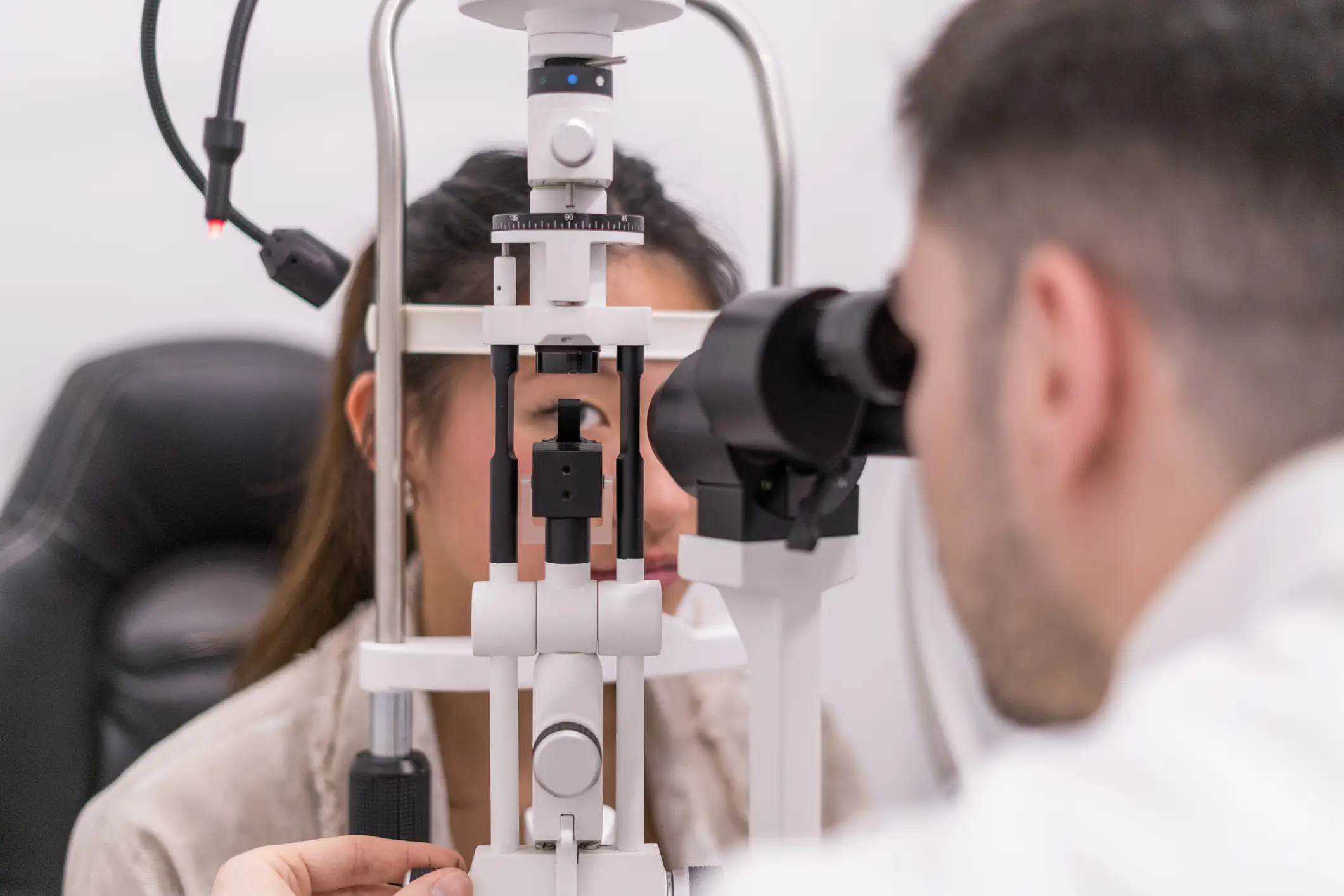
The lawsuits do not establish that the medications caused the condition, but instead, they come amid ongoing scientific and regulatory scrutiny into a possible connection between semaglutide and NAION.
Lawsuits filed against GLP-1 manufacturers
The cases have been filed in the US by patients who say they experienced NAION after taking GLP-1 medications.
According to The Wall Street Journal, a spokesperson for Novo Nordisk described the lawsuits as without merit, while Dr. Tina Vilsbøll, senior medical officer at Novo Nordisk, added: “There are no indications that we should really be worried about NAION. I do not see causality.”
Eli Lilly has also said it will ‘continue to review data, including any data regarding ophthalmic issues’, highlighting that patient safety is the firm’s top priority.
In one of the lawsuits, the patient described how, after taking the medication to treat her diabetes, she noticed her vision was like looking through a ‘fishbowl’. She was diagnosed with NAION just two weeks later.

What is NAION?
According to the North American Neuro-Ophthalmology Society, NAION occurs when there is ‘decreased blood flow to the front part of the optic nerve (optic disc)’.
As a result, this causes optic nerve swelling and sudden vision loss, with the condition typically affecting one eye, ‘although the other eye sometimes suffers similar loss months or years later’.
The organization goes on to explain: “The blood supply to the front of the optic nerve comes from small branches off the ophthalmic artery, which comes off of the carotid artery. Loss of the blood supply within those small branches damages the front part of the optic nerve, causing it to swell and resulting in vision loss. The swelling eventually goes away, but part of the optic nerve is permanently damaged.”