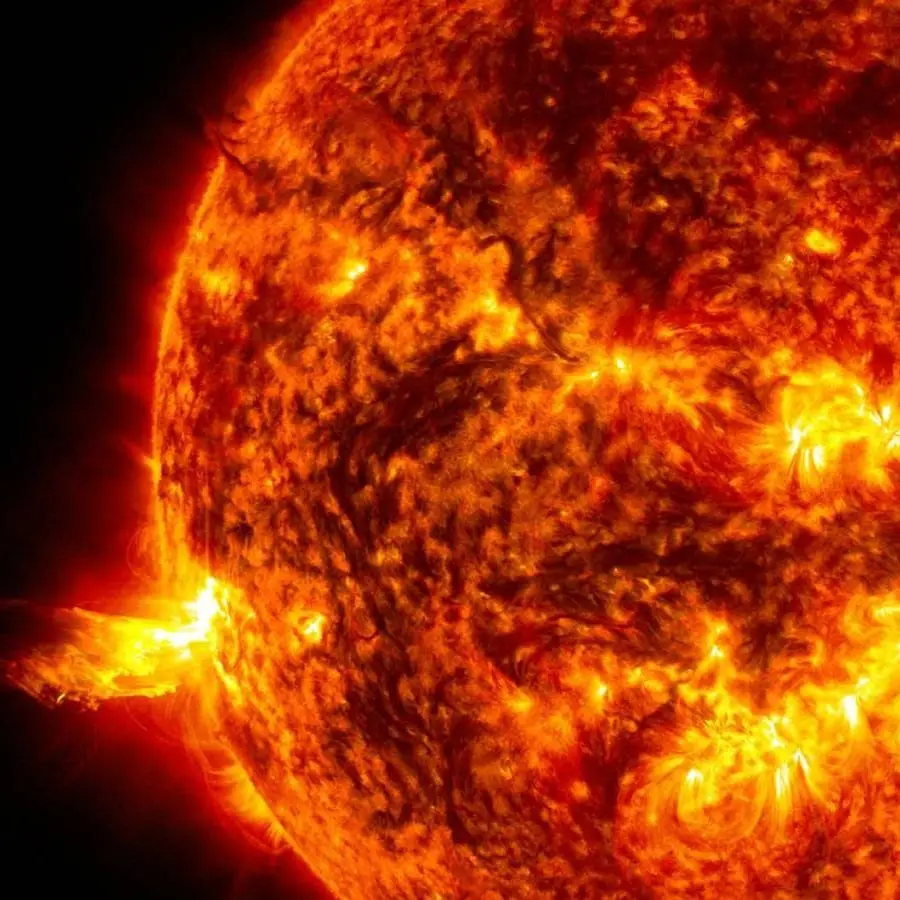
When the Earth could be completely obliterated by the Sun revealed by scientists in new research


They say that the Earth is some 4.54 billion years old, but remembering the dinosaurs went extinct 66 million years ago, and Homo sapiens are just 300,000 years old, it makes you realize just how insignificant modern humans are on the timeline.
Away from fears that we're well overdue another ice age, there's also the (literally) looming danger of the Sun. Even though climate change deniers will argue global warming isn't a thing as our summers get wetter and temperatures drop, extreme weather phenomena are becoming far more common.
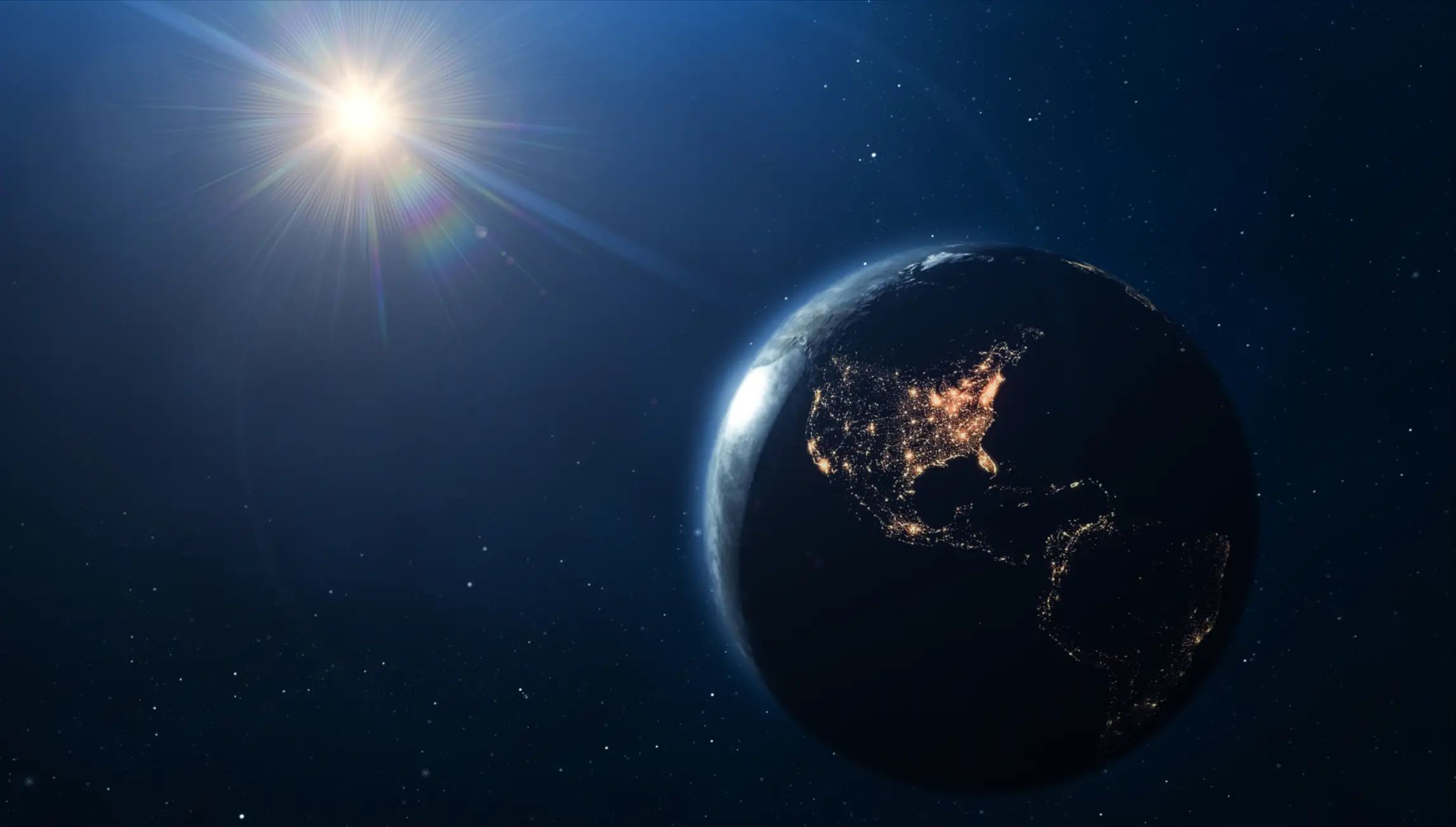
As the human race continues to ravage Mother Earth and is in danger of leaving little of the planet left to live on, the science community is also warning that the Sun could snuff us out like a candle.
We previously reported on how extreme weather is expected to affect 70% of us in the next 20 years, but according to astronomers at the University of St Andrews, the Sun could destroy mankind at some point in the distant future.
When could the Sun destroy Earth?
Advert
Bulgarian mystic Baba Vanga marked 5079 in our diaries as the ultimate destruction of the universe, but according to actual scientists, we've still got a little longer on the clock.
For those hoping to get next Monday off work, we've got some bad news. At least it's good for the rest of us because the Sun will supposedly destroy Earth five billion years from now.
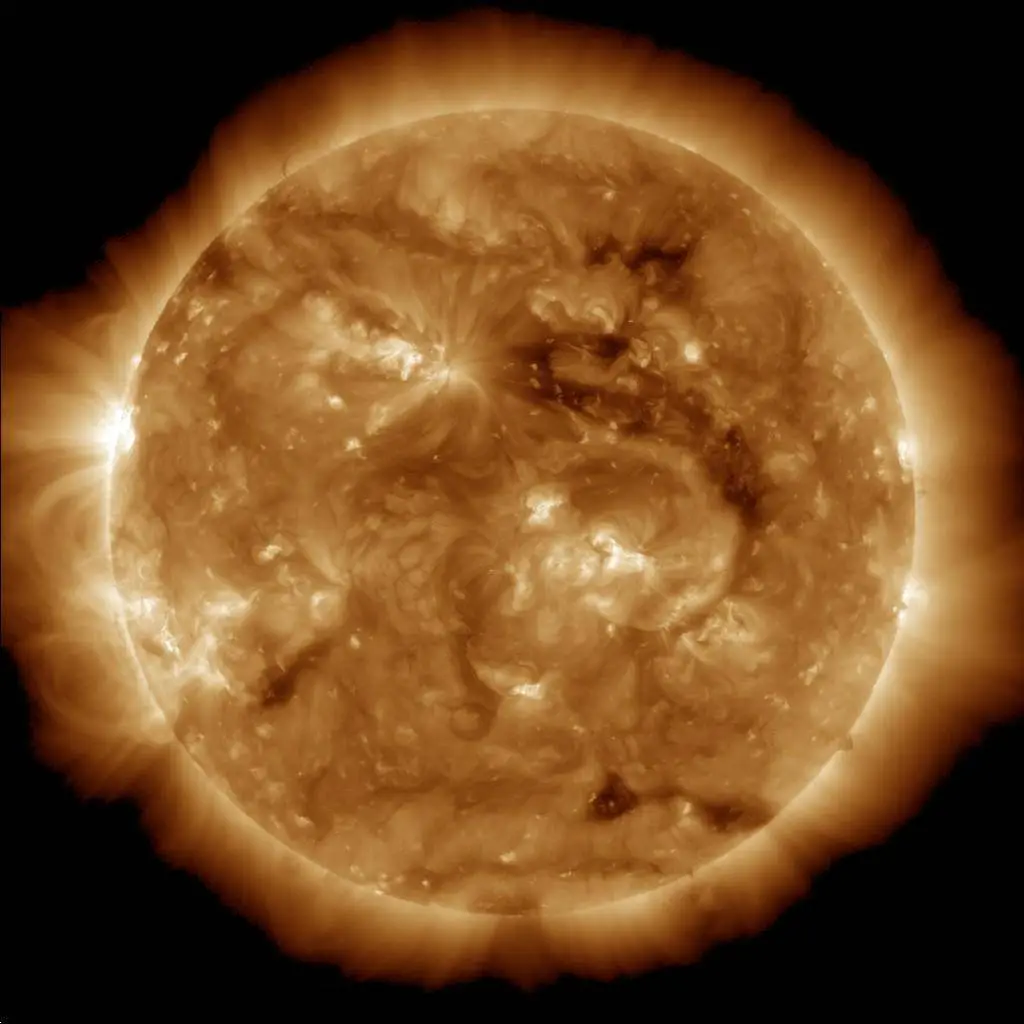
Using the NASA/ESA/CSA James Webb Space Telescope, researchers looked at a Jupiter-sized exoplanet known as WD 1856 b and how it moves around its 'dead' white dwarf host star. When our Sun runs out of hydrogen fuel in its core, it will balloon to 100 times larger than it is now and transform into a red giant star before shedding its outer layers and dying out as a white dwarf star. It's not looking good for Mercury and Venus, with speculation that Earth could also be consumed by the red giant.
The team noted that the fate of Earth remains unclear, and similarly, the solar system's gas giants like Jupiter and Saturn could make it through the planetary massacre alive. Researchers compared the study of WD 1856 b to using a 'time machine' to map how things could go down in our own future.
Not all bad news for Earth
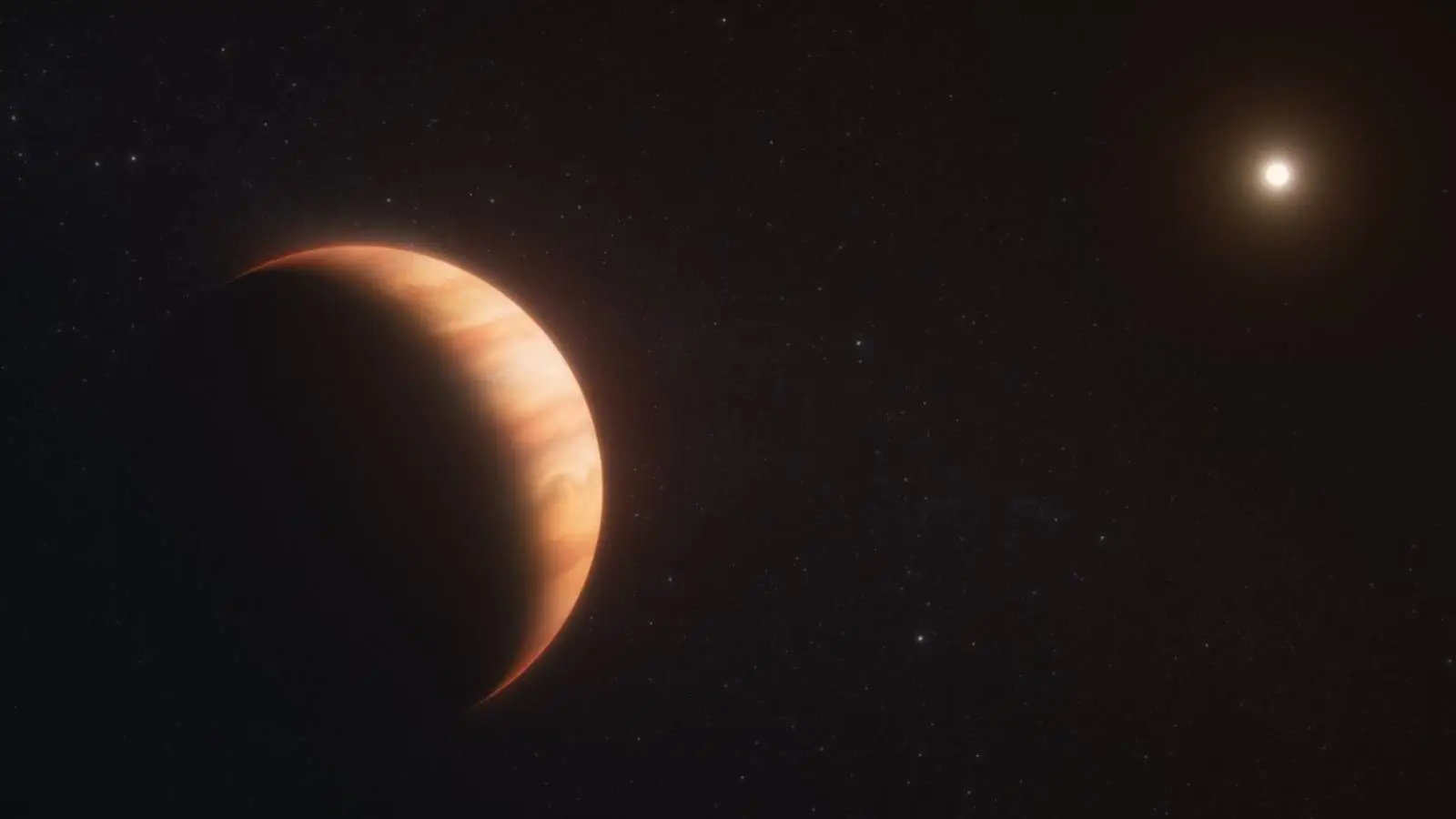
Discovered in 2020, WD 1856 b orbits the white dwarf known as WD 1856+534 and sits about 80 light-years from Earth.
WD 1856 b's orbit around its host star is 50 times closer than Earth's orbit around the Sun, making this the first discovery of an intact planet closely orbiting a white dwarf. There's no way this was its original orbit, as the WD 1856+534 red giant explosion would've undoubtedly wiped it out.
These findings were published in Nature, where lead author Dr Ryan MacDonald branded WD 1856 b as an 'oddball' that somehow survived its own star's untimely demise.
WD 1856 b's temperature is around 400 Kelvins, which is said to be about 240 degrees hotter than it should be if its only source of heat was from the white dwarf.
There are two theories about how WD 1856 b survived, with co-author Dr Christopher O’Connor of Northwestern University suggesting it was swallowed by the host star and somehow managed to survive on the inside. O'Connor's other theory is that its orbit was affected by the gravitational effect of two other outer companion stars in the system.
This kind of research is important for mapping our own potential futures, as MacDonald said: “We’re used to looking back in time when we use telescopes, but this is the first time we have been able to look forward to what might happen to the outer planets around the remnant of a Sun-like star, it’s like using a time machine to peer into the distant future of our Solar System."
As this is just the start of exploring planets that orbit dead stars, MacDonald concluded: "Our results show that stellar death is not the end – some planets experience a vibrant and lively future after the death of their star."
While Earth might be one of the lucky few, don't count on Homo sapiens being along for the ride.