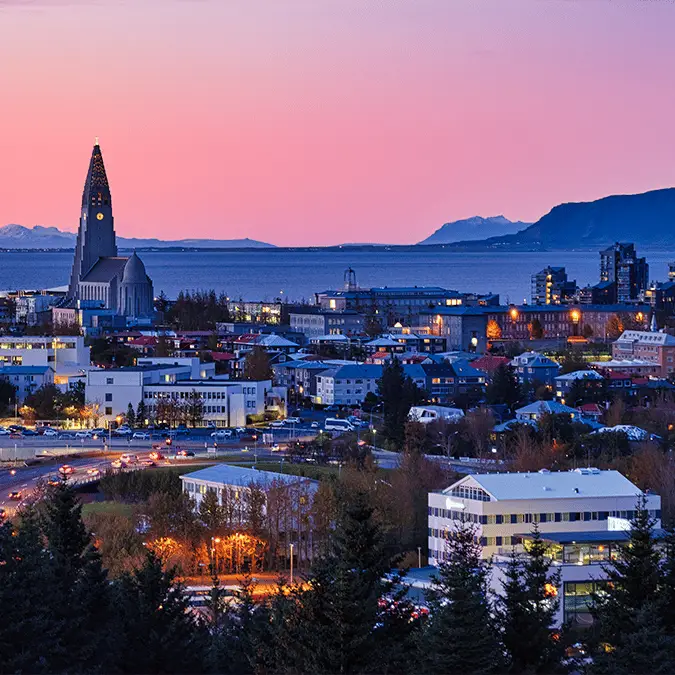
Nation declares 'existential threat' from modern day ice age as citizens are warned to prepare for the worst


A major ocean current that carries warm water across the Atlantic and influences the climate of northwestern Europe, the northeastern United States, and beyond is at risk.
Scientists warn that this crucial ocean current, the Atlantic Meridional Overturning Circulation (AMOC), could be in danger as melting ice and warming seas threaten to disrupt its flow.
The AMOC moves warm water from the tropics to the North Atlantic, with the Gulf Stream carrying much of it along the US East Coast. It influences global weather patterns, including tropical rainfall, and helps keep northwestern Europe and the northeastern US milder in winter. Rising global temperatures are melting Arctic ice and Greenland’s ice sheet, releasing cold freshwater into the North Atlantic. This freshwater makes the water less dense, which can slow or even halt the AMOC, a current that relies on dense, salty water sinking in the North Atlantic. If the AMOC collapses, Northern Europe could experience much colder winters, with more snow and ice, similar to abrupt climate changes that occurred around 12,000 years ago at the end of the last Ice Age.
Advert
Iceland’s climate minister, Johann Pall Johannsson, said: “It is a direct threat to our national resilience and security.
“[This] is the first time a specific climate-related phenomenon has been formally brought before the National Security Council as a potential existential threat.”
Iceland’s ministries are on alert and coordinating a response, Johannsson said. The government is evaluating what additional research and policies are needed, including developing a disaster preparedness plan. Officials are reviewing risks to energy, food, infrastructure, and international transport.
A collapse of the Atlantic current could have effects far beyond Northern Europe, including on the rainfall patterns that farmers in Africa, India, and South America rely on, according to scientists.
Scientists warn an AMOC collapse could become unavoidable in coming decades as temperatures rise. In October, 60 experts met at the ‘Nordic Tipping Week’ workshop to assess societal impacts, with recommendations now being finalized.
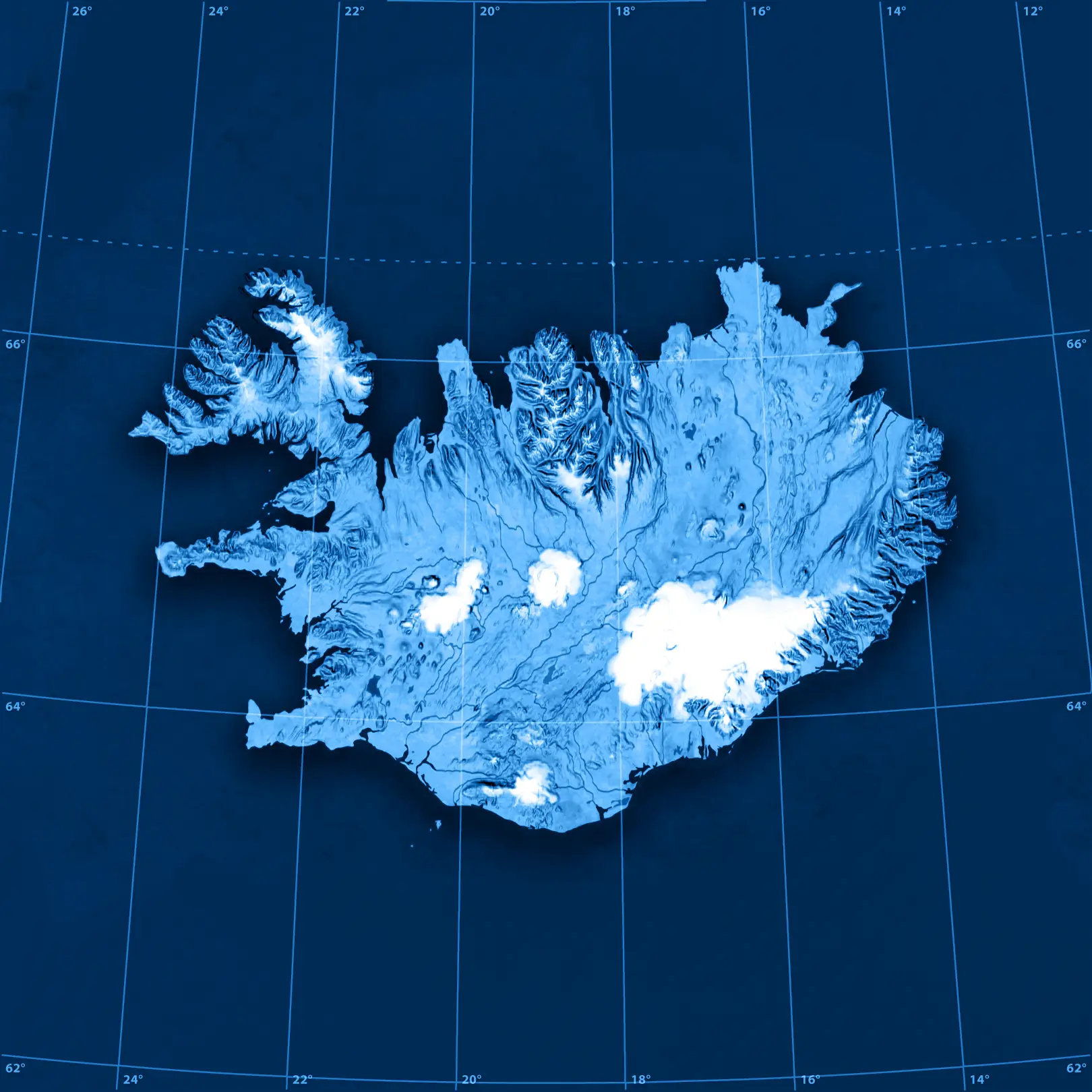
Meanwhile, scientists from more than 30 universities and international organizations on Monday (November 10) raised concerns about the quickening thawing of our glaciers, ice sheets, and other frozen spaces.
Iceland is particularly concerned as the rate of warming increases and greenhouse gas emissions continue rising.
"Sea ice could affect marine transport; extreme weather could severely affect our capabilities to maintain any agriculture and fisheries, which are central to our economy and food systems," Johannsson said, per Reuters..
"We cannot afford to wait for definitive, long-term research before acting."