Major city prepares for 'day zero' as 15,000,000 citizens brace for evacuation


A major city is making preparations for ‘day zero’ as its 15 million citizens are bracing for a potential evacuation.
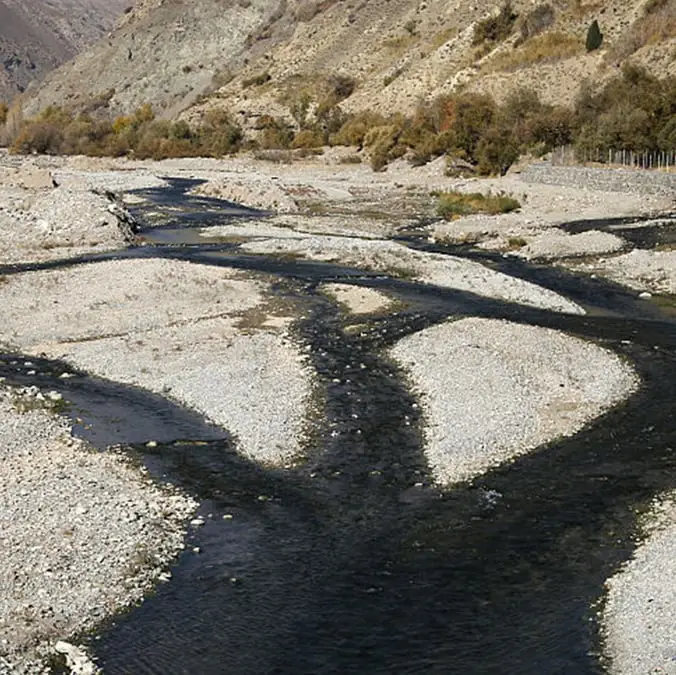
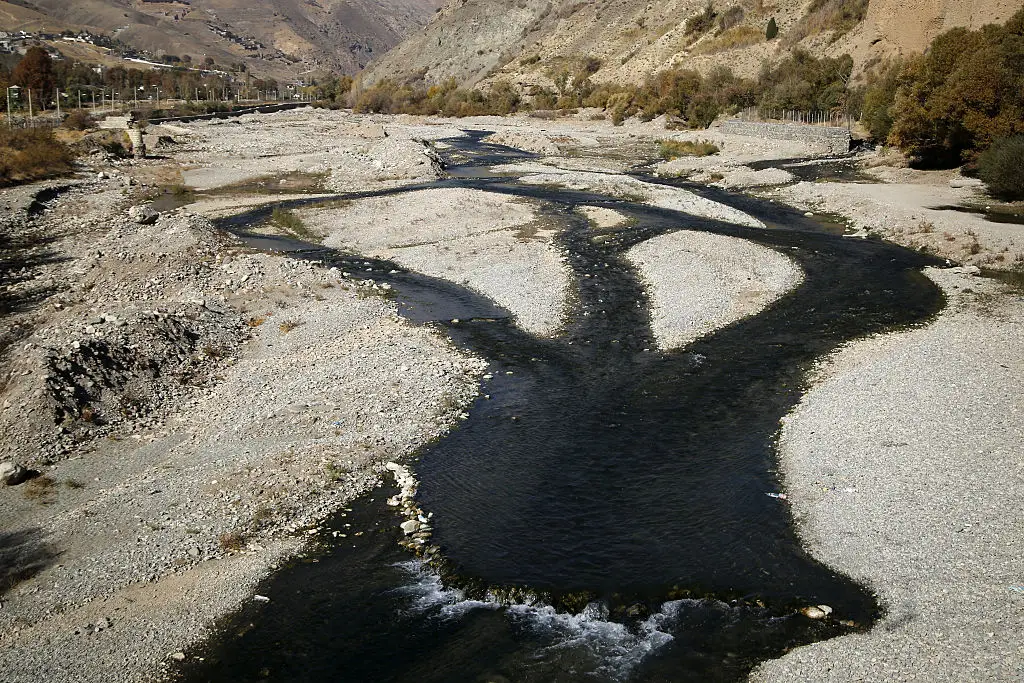
This comes after it was revealed that the reservoirs, which supply water to the residents of Tehran, Iran, are nearly empty.
In fact, the dam responsible for providing a quarter of the capital’s water supply, has just 8% of its capacity.
This has resulted in water rationing in certain areas, with President Masoud Pezeshkian urging citizens to use the water sparingly.
Advert
The issue could be down to climate change as, according to the National Weather Forecasting Center, the country has experienced the driest September to November period in the last 50 years.
Rainfall in the region is down 89% below the average.
Speaking to Sky News, Professor Kaveh Madani, who is the former deputy head of Iran’s environment department and now works as the director of the United Nations University Institute for Water, Environment and Health, said: “These things were not created overnight.
“They’re the product of decades of bad management, lack of foresight, overreliance and false confidence in how much infrastructure and engineering projects can do in a country that is relatively water short.”
Despite the drop in water supply, water consumption has actually risen, quadrupling the demand since 1976.
In a local report, the state-owned Tehran Times newspaper wrote: “Iran is facing an unprecedented water crisis that threatens not only its agricultural sector but also regional stability and global food markets.”
New York-based Soufan Center stated: “The water crisis in Iran has, in recent years, escalated from a recurring drought issue into a profound political and security problem that has the regime leadership concerned.”
And the recent rainfall in the area might not be enough to turn things around, as Ahad Vazifeh, who is an official in the government’s Iran Meteorological Organization office, said: “Even if rain in the winter and spring will be normal, we will have 20% shortage.”
In a report, the World Weather Attribution said: “The current acute crisis is part of a longer term water crisis in Iran and the wider region that results from a range of issues including, frequent droughts with increasing evaporation rates, water intensive agriculture and unsustainable groundwater extraction.
“These combined pressures contribute to chronic water stress in major urban centers including Tehran, reportedly at risk of severe water shortages and emergency rationing, while also straining agricultural productivity and heightening competition over scarce resources.”