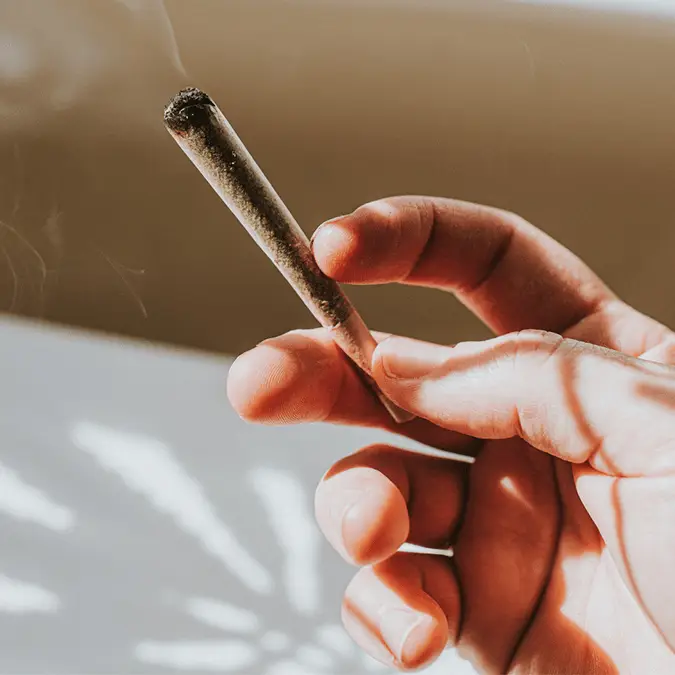
Everything that happens to your body when you stop smoking weed


Warning: This article contains discussion of drug addiction which some readers may find distressing.
Quitting is only half the battle, and when it comes to smoking weed, staying off the Devil's lettuce is 50% of the war.
While many will argue the medicinal benefits of using cannabis, especially in terms of pain relief, there are obvious warnings when it comes to excessive or unregulated consumption.
It was only in April this year that the government reclassified weed as a Schedule III drug, serving as part of President Donald Trump's promise to expand the USA's access to medical treatment options.
Advert
There are concerns about marijuana consumption, especially in adolescence, where it can affect attention, memory, and learning. Alongside this, there are the obvious issues associated with smoking, such as lung disease and heart damage, meaning quitting is seen as a good thing by many. Like your body goes through a whole host of changes when you stop smoking, it's much the same when you stub out your spliff.
Having previously covered the changes smoking weed has on our body and mind, it's time to go in the opposite direction with an eye-opening video from AsapScience. The video opens by explaining how 55 million Americans are currently using marijuana, while dispensaries are popping up all over Canada.
Day 1 - 3: weed withdrawal

In terms of quitting, it's said that 4.6% of Americans have tried to quit and failed at least six times. This is likely due to withdrawal symptoms cropping up in the first few days, and people simply finding it too tough to power through.
An analysis of 23,000 people found that 47% of those asked had suffered from nausea, headaches, depressed mood, difficulty getting to sleep, sweating, anger, nervousness, decreased appetite, and strange dreams. Whether that's one of these or several, it's a confusing cocktail to contend with as the first hurdle.
It's noted that the risk of withdrawal symptoms is proportional to how much weed you consume, as those who partake a couple of times a week aren't going to be hit as hard as someone who likes a bit of Mary Jane every day.
Even if you make it through the first few days, the third is when anxiety and irritability are said to peak. It's also here that strange dreams and struggle sleeping increase over the coming days.
Day 4: returning to baseline
According to AsapScience, day four is an important one because this is when physiological changes occur in your brain. Marijuana contains molecules that mimic natural neurotransmitters in your brain (called cannabinoids). Consuming weed causes an influx of cannabinoids and the psychoactive component known as THC (delta-9-tetrahydrocannabinol). Specifically, THC binding to your neurons can cause euphoria, affect pain modulation, and trigger anxiety. It can also lead to a dulling of new experience, but thankfully, your CB1 cannabinoid receptors should return to normal levels around day four of quitting.
It only takes about four days for the neuronal changes in your brain to return to their baseline level. While research is ongoing, the video again highlights the supposed long-term neurophysiological effects of those who consume weed during their adolescence.
Day 5 - 7: you've made it this far
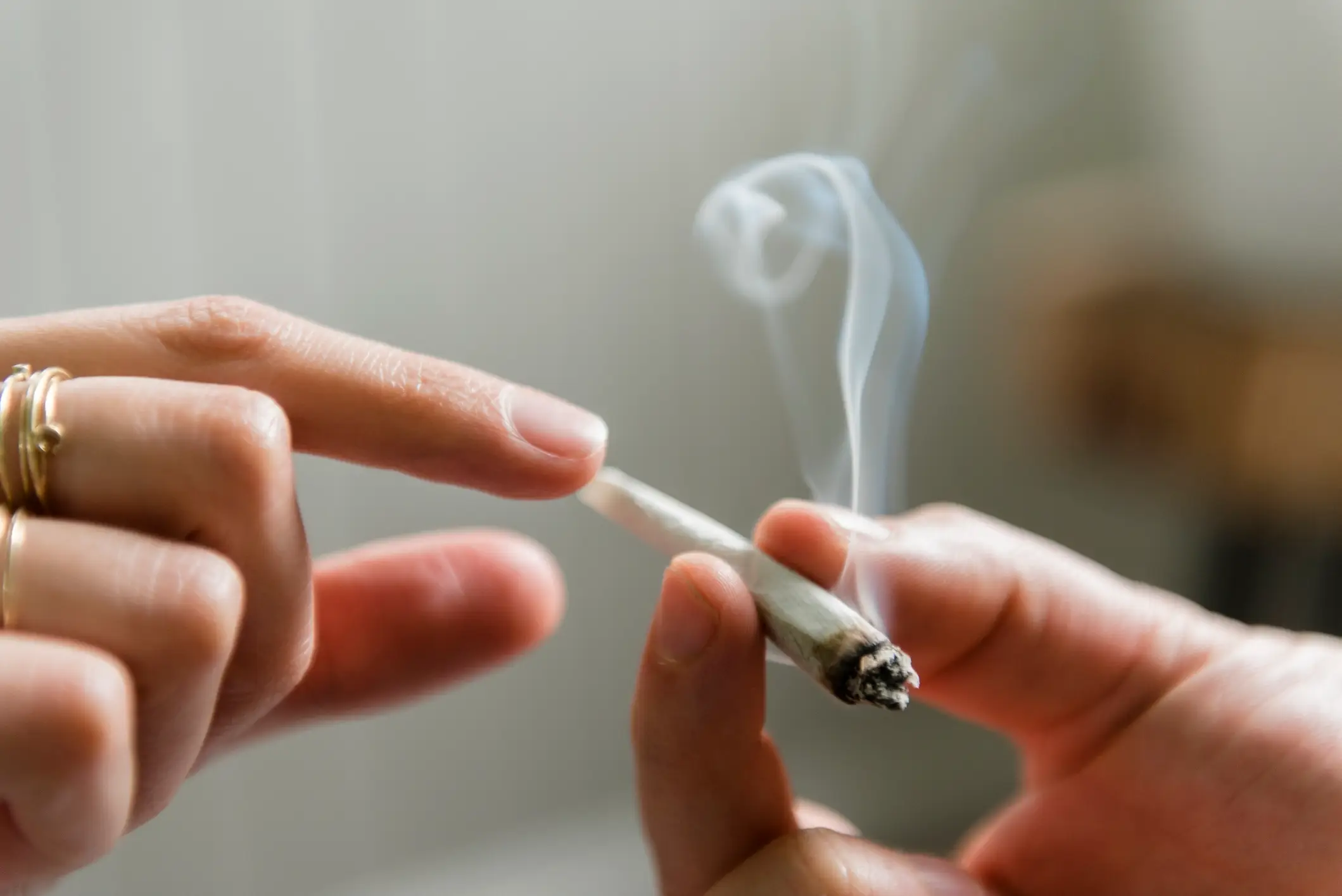
A recent survey supposedly found that most people will quit between days five and seven, with it being hardest for those who are dependent on marijuana. Dependence is clarified as those who consume it daily for 10 years or more. Although many scientist agreee that marijuana dependence exists, most say it's not as severe as dependence on alcohol or drugs like cocaine. In the video, host Greg Brown admits that it's around this point he tends to slip, often reverting to ordering an edible to tide him over.
It's not plain sailing, but if you make it to day 28, your endocannabinoid system and CB1 receptors will return to baseline and you should've kicked your habit. As science shows, quitting weed isn't as easy as just turning off a light switch, so remember that everyone has a different journey.
If you want friendly, confidential advice about drugs, you can call American Addiction Centers on (313) 209-9137 24/7, or contact them through their website.