
Scientists uncover shocking impact smoking weed as a teenager really has on your brain


Warning: This article contains discussion of drug addiction, which some readers may find distressing.
Youngsters are continuously warned about the dangers of the Devil's Lettuce, Mary Jane, Blaze, Boom, Wacky Tobacky (or whatever you want to call it).
Much like how the National Minimum Drinking Age Act of 1984 determined 21 as the minimum age to purchase and publicly possess alcohol in all states, marijuana is illegal under the federal Controlled Substances Act.
Still, there are concerns as most states have legalized medical marijuana, and a growing number have legalized marijuana for recreational use by adults.
Advert
Elsewhere, states including Illinois and Pennsylvania allow minors to use certain forms for medical use as long as certain conditions are met.
While there are increasing studies into the benefits of medical marijuana to treat the likes of Parkinson's, there are plenty of warnings about how addictive weed can be and an array of negative side effects.

We've already seen a simulation showing what cannabis does to the body when we smoke it, but according to research published in the National Library of Medicine, its effects are unexpected on those who consume it as a teenager.
A group of scientists studied cannabis use and a potential connection to age‐related cognitive decline from early adulthood to late midlife.
Taking a sample group of 5,162 men who were born between 1949 and 1961, 39.9% of participants admitted to having used weed at least once. 51.1% of that smaller group claimed to have started smoking it before the age of 18.
Charting their IQ over a period of 44 years, the scientists determined that there are no 'significant harmful effects of cannabis use on age‐related cognitive decline'. Those who smoked weed as teenagers were apparently no worse off than those who steered clear of it completely.
This doesn't mean we'd suggest teenagers head out and spark up as the next Seth Rogen or Snoop Dogg, as the research maintains that those who partook in smoking 'Broccolli' had a lower IQ by an average of 1.3 points. It's not a huge difference, but it's still there.
The study added: "The estimated difference in cognitive decline between cannabis users and nonusers was modest and may not hold clinical significance.
"Among cannabis users, no significant associations with age‐related cognitive decline could be demonstrated for age of initiation of cannabis use.
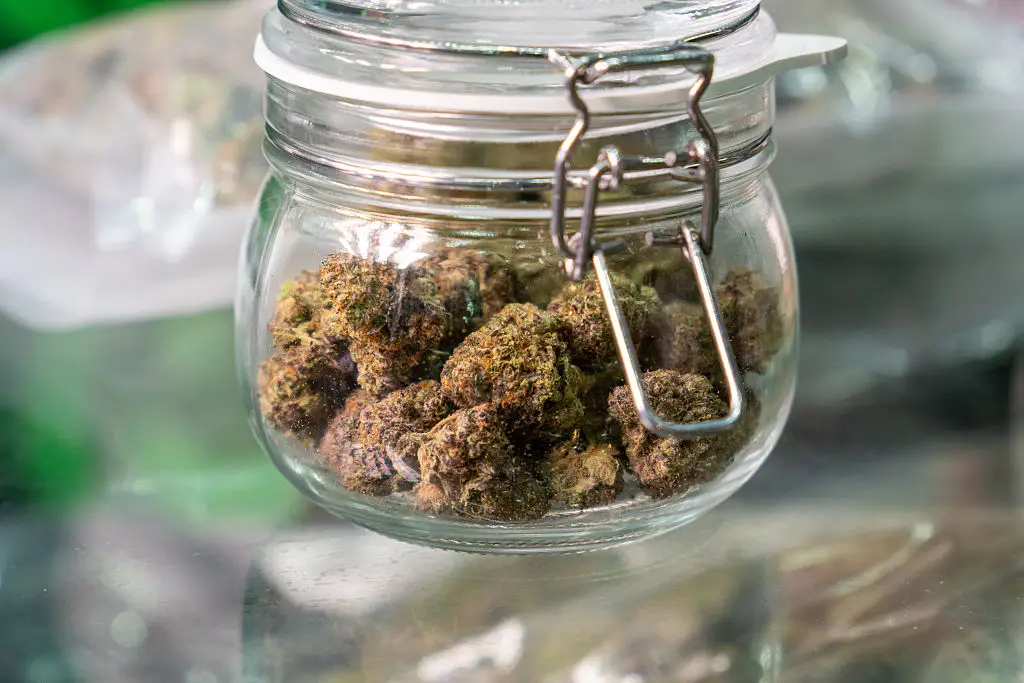
"Years of frequent cannabis use were generally associated with no significant difference in cognitive decline when compared with no frequent use."
Those behind the research admitted they needed to look further into the idea and broaden the subjects to include women as well as men.
In terms of what other experts have said, Dr Lade Smith from the Royal College of Psychiatrists told The Times: "When you start smoking with your mates at 14 or 15, you are literally growing your brain in a cannabis soup.
"People’s brains don’t stop growing until you’re an adult in your early to mid-twenties. The reality is - and this is evidence-based, therefore it’s the truth - cannabis is associated with a higher risk of anxiety, depression, and, unfortunately, a higher risk of psychosis.”
Smith concluded: "Anyone who smokes cannabis regularly will admit that they’ve had a 'para', and what they mean by that is that they’ve had a paranoid fit. People laugh about it."
Even though cannabis is said to be the most commonly used recreational drug worldwide, let's also remember that caffeine is the most widely consumed psychoactive substance in the world.
If you want friendly, confidential advice about drugs, you can call American Addiction Centers on (313) 209-9137 24/7, or contact them through their website.