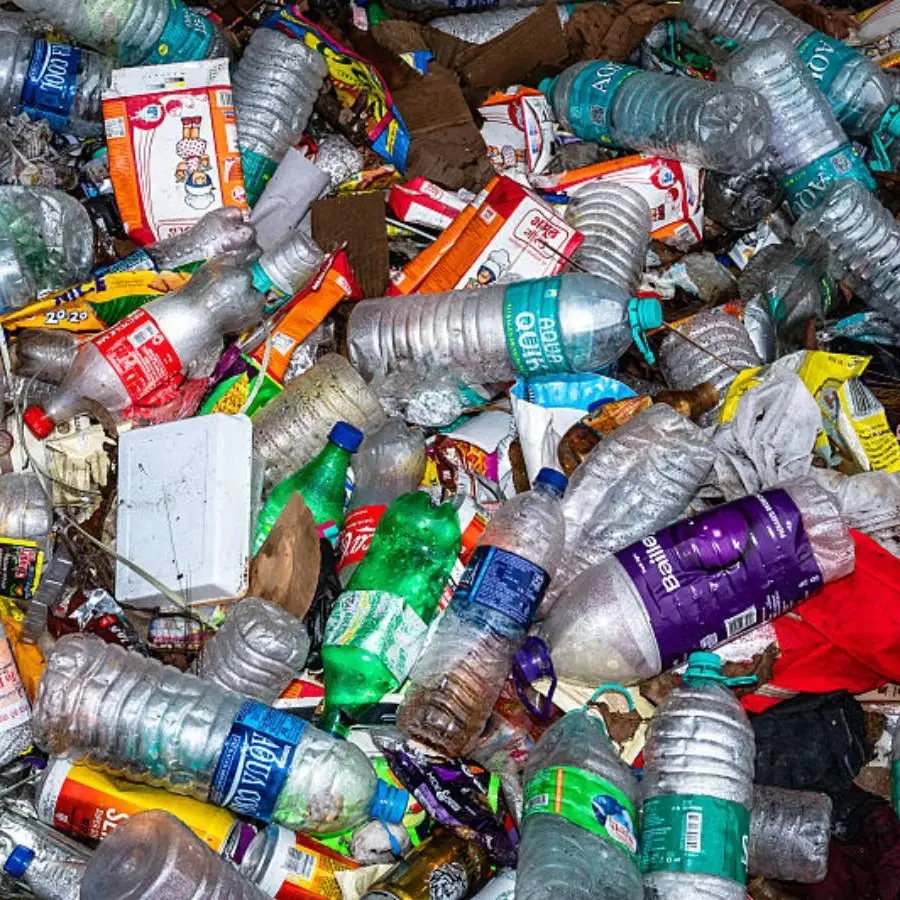
Scientists invent 'future of snacking' after turning plastic bottle into edible cookie


Scientists might just have discovered the food of the future, as a NASA-funded project manages to transform recycled plastic bottles into a 3D-printed snack — and it could prove to be vital in future space missions.
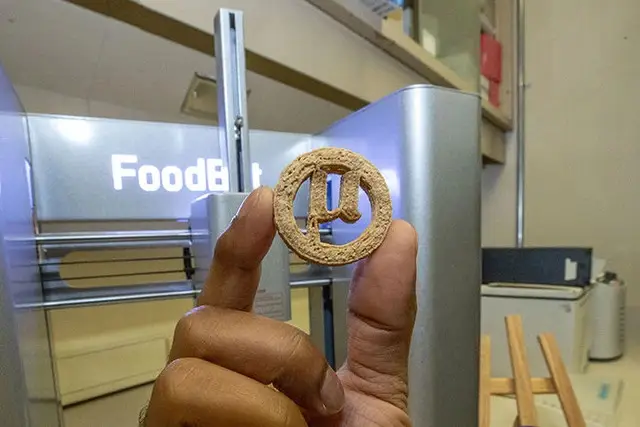
Referred to as 'µBites', these absurd-looking 'cookies' are formed by taking advantage of specifically designed yeasts, as per The Guardian, which manage to create edible proteins, fats, and flavorings from a plastic bottle.
What emerges as a sludge from the process is then passed through a 3D printer, giving the futuristic food its distinctive cookie-like appearance, which definitely helps it to appear more appealing from the get-go.
Still, astronauts in space likely won't have a choice otherwise.
Advert
Addressing how this miraculous project first came to be, Dr Lahiru Jayakody, a scientist at Southern Illinois University Carbondale, explained: “My lab works on developing technologies for plastic upcycling. We thought, why not look into food? Plastic is carbon and food is carbon."
How do these futuristic cookies hold up as food?
Development of the µBites is still in the relatively early stages, as the team behind the discovery has yet to even taste the 3D-printed snacks, but they have confirmed that the smell is pleasant enough, at least.
It has received "high marks on aroma" according to the researchers, with Jayakody noting: "We haven't eaten them yet because we're awaiting approval for testing in humans."
Whether they are enough to solely sustain a human for a lengthy period of time remains to be seen, but one of the biggest issues facing the project at the moment is the cost.
It currently works out at around $60 per kilogram to produce the cookies, which is obviously much higher than most other food types.
Then again, this is something that could dramatically improve over years of development, as scaled-up production and enhancements to the efficiency of the yeast drive down the money required to keep things running.
Will they be eaten by astronauts in the future?
Considering the project was funded through NASA's Deep Space Food Challenge, there is a real possibility that this could become the primary food for astronauts at some point, solving a major concern with long-term missions in the process.
"When an astronaut goes to Mars, they have to survive in extreme conditions," Jayakody explained. "The round-trip is three years. You have to use everything you can."
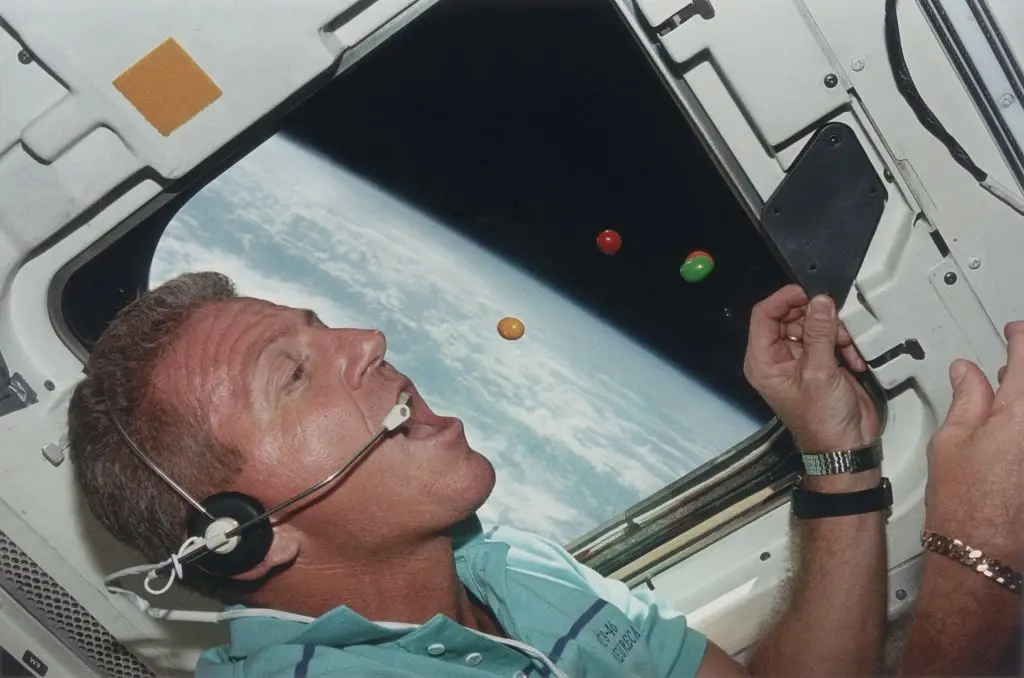
One of the biggest blockers preventing NASA from reaching Mars right now is the unsustainable amount of supplies that would be required to support a mission this long, yet if the astronauts themselves could produce their own food by recycling what they use on board, then it could free up a lot of space.
It's not just space that these recycled cookies could come in handy, as they have also been suggested for use in extreme environments back on Earth, like submarines or disaster zones where food production might prove difficult or perhaps even impossible.
Perhaps it could also provide temporary relief for parts of the world impacted by climate change-induced food shortages, especially as worrying statistics suggest that around 30% of the global population will be at risk of hunger and famine in the relatively near future.