Google pulls new Earth AI tool after just 48 hours after users fake disasters

It's hard to believe anything we see online these days, and while it's sometimes funny watching AI videos of kangaroos caught jumping on trampolines by security cameras, there's the more concerning evolution into the news.
As journalists, we're constantly left asking whether images or even videos are the real thing, having to check sources more than ever.
At the forefront of the AI movement is Google, but with parent company Alphabet being one of the Big Five alongside Amazon, Apple, Meta, and Microsoft, is it any surprise? Google search has already changed dramatically thanks to AI snippets, but after Google Earth got its own AI revamp, the tech giant was quickly forced to roll it back.
As reported by the BBC, the Google Earth overhaul was stripped back less than 48 hours after going live due to people apparently faking disasters with the tool.
Advert
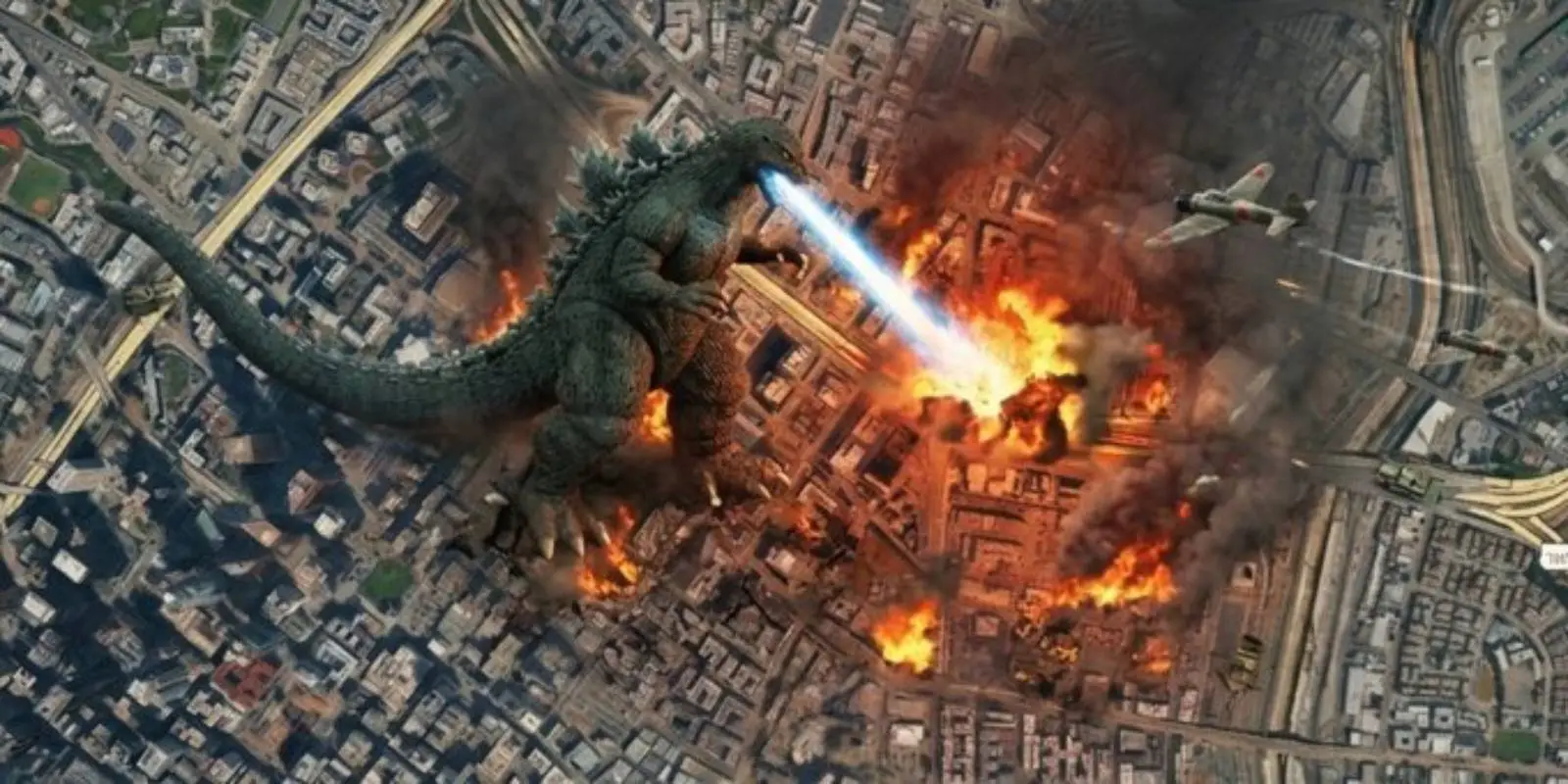
A BBC Verify report uncovered the potential spread of misinformation as the new Nano Banana 2 image generator was used to create disasters like a collapsed Eiffel Tower, a sinkhole claiming the Great Pyramid of Giza, and Russian tanks rolling into the Ukrainian capital of Kyiv.
Causing this kind of chaos in a game like SimCity was a ton of fun when we were younger, but with bad actors using a trusted tool like Google Earth for their own mischief, it's easy to see how alarm could easily be spread.
On July 31, Google confirmed the feature would be paused, taking to X to explain: "We know that people uniquely trust Google Earth for a reliable view of the world. We’ve seen geospatial professionals using this feature for a range of useful purposes, however we’ve also seen people sharing screenshots of generated imagery that appear to violate our policies.
"So we’re rolling back this feature in Google Earth while we work on implementing stronger guardrails. It's important to note that generated images didn’t appear in the main Google Earth experience for others to see and were watermarked as AI generated.”
Google didn't specify what kind of images were being created, but as the BBC states, Nano Bana 2's sophisticated tech meant people could pretty much create anything and everything with a simple prompt.
As part of the investigation, AI and misinformation expert Henk van Ess created fake images of a nuclear power plant in Iran, a refugee camp on the US-Mexico border, and bombed a fake hospital in Gaza.
Given all of these are close to the bone in terms of political tension in the past year, and how easily misinformation spreads on platforms like X, at least Google was quick to react.
Henk van Ess reiterated that these 'invented' images were able to be "welded to genuine coordinates, drawn on genuine imagery," adding: "The forgery does not have to look convincing on its own. It inherits the credibility of the map it was born on."
The future of Google Earth's AI image generation remains unclear, although we're reminded that anyone who is "unsure about an image" can check its legitimacy by using the Gemini chatbot app or Google's Lens feature.
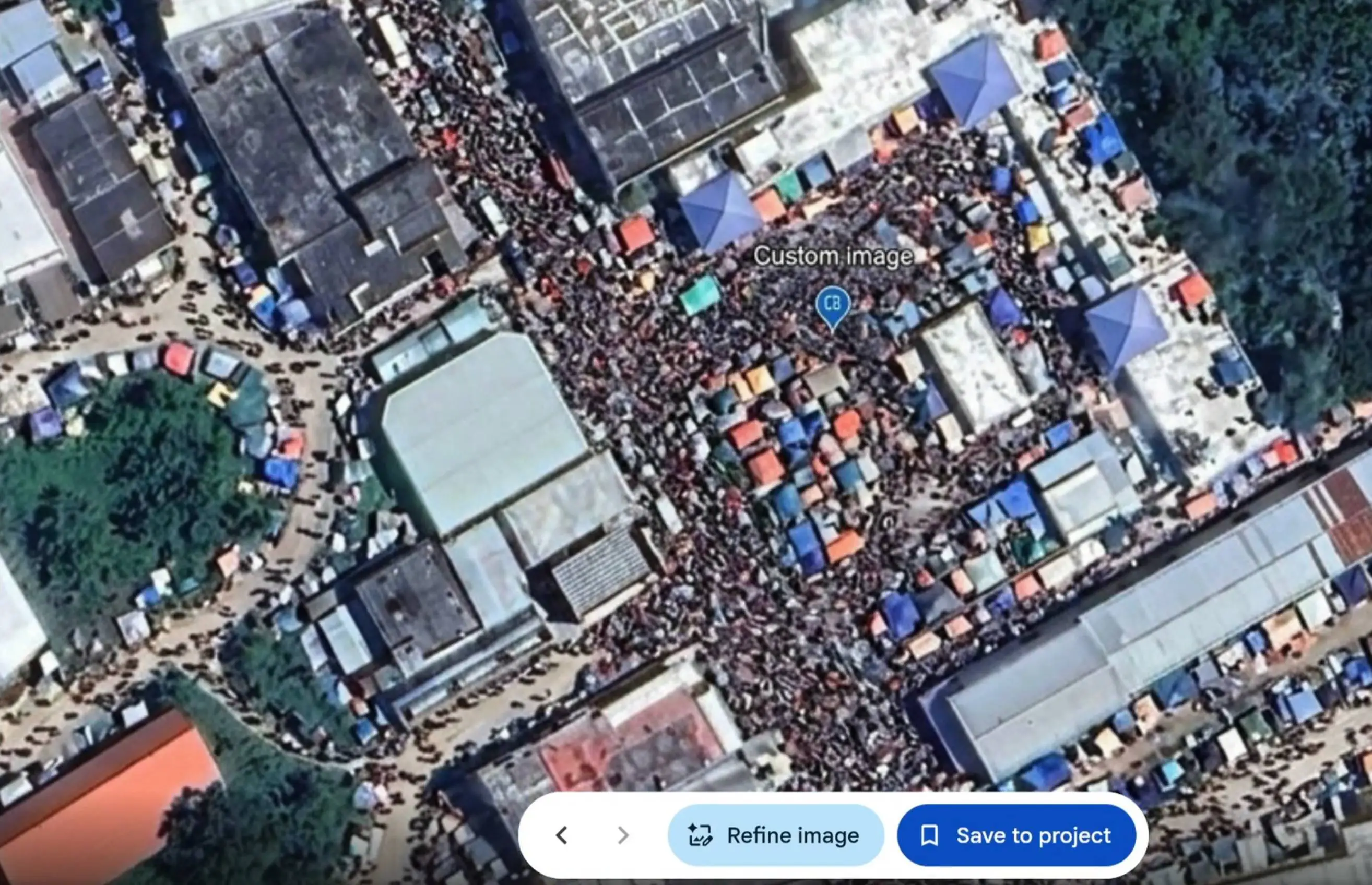
Despite these reassurances, the BBC maintains it's possible to trick Gemini into saying these images are real, while external AI detection tools also failed to identify AI content in some instances.
AI-detection researcher Henry Ajder warned BBC Verify this could be 'destabilising' in conflict zones: "Journalists might be able to check that image…and report on it. But again, not everyone is going to do that."
While Google is adamant that 'harmful topics' can't be created with the Google Earth AI tool, the BBC said that a few tweaks to prompts suggest otherwise.
Bill Greer, a geospatial analyst and co-founder of the non-profit satellite service Common Space, said that we're in danger of chipping away at trust: This is potentially particularly damaging to public trust because satellite imagery has historically been seen as an especially trustworthy source of data."
With falsified satellite imagery already helping spread misinformation, Greer concluded: "Governments are also restricting access to data more and more, so we're likely to see more false images, and fewer real images which will further erode trust."