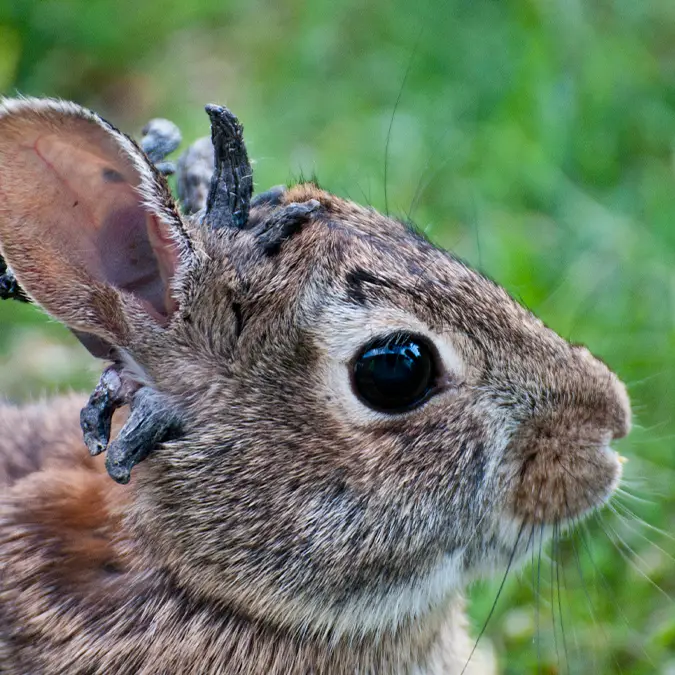
Virus behind 'Frankenstein' rabbits with tentacle growths on their heads explained as they 'invade' US states


We've played enough video games to know mutated animals with tentacles sprouting from their heads should be avoided at all costs. Whether it's Resident Evil or The Last of Us, our many years of trying to survive fictional apocalypses have hopefully hardened us for the potential of a real-life one.
Although Naughty Dog's The Last of Us is based on the actual Cordyceps infection that's known to especially affect the ant world, the human body is too high for it to affect us. Still, doomsayers think evolution and soaring global temperatures could cause the parasitic fungus to evolve, so good luck with that one.
In the meantime, we've got enough to worry about with mutant deer boasting bubble-like tumors, zombie squirrels adorned with lesions, and 'Frankenstein' rabbits sporting tentacles. We were previously warned not to touch these Frankenstein rabbits that were flooding parks in Colorado, but now, the infected rabbits seem to be multiplying...like rabbits.
What is cottontail papillomavirus?
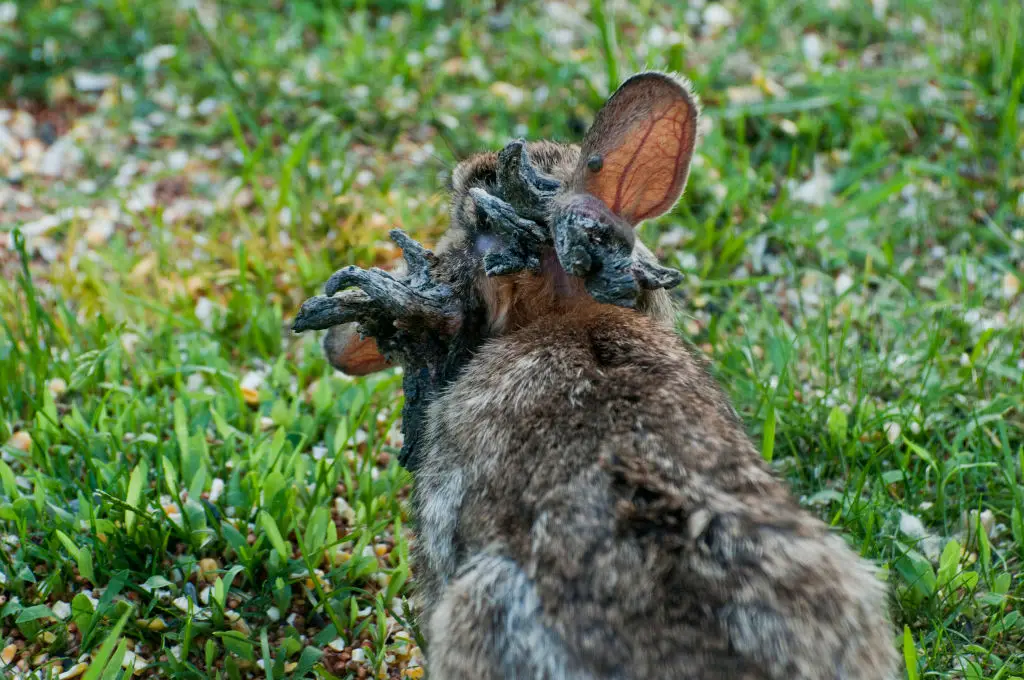
Also known as the Shope papillomavirus (SPV), cottontail rabbit papillomavirus (CRPV) affects certain species of rabbits and hares, causing them to grow cancerous horns. As well as infecting wild rabbits and hares, it can also affect domestic ones, so anyone with a pet rabbit is warned to keep them secure in areas where infected ones are spotted.
Advert
Originally discovered by Richard E. Shope in 1993, it was thought to afflict cottontail rabbits in the Midwestern United States but has since spread to other types of rabbit and areas.
Science shows that CRPV is spread by biting insects like mosquitoes and ticks, while infected rabbits are known to starve when the growing horns interfere with their eyes and ability to eat.
The good news is that while papillomaviruses are part of the same family that cause warts and cervical cancer in humans, there's little health concern, as CRPV can't jump to us. As papillomaviruses are famous for extreme specialization across almost every animal species, they can't survive or replicate in another species.
This also means your pet cats, dogs, birds, and guinea pigs are all safe.
Still, as we've already said, it's best not to approach any Frankenstein rabbits you see in the wild. Report them to the local wildlife authority, and if you suspect your own pet rabbit is infected, take them to a vet while trying to avoid handling them directly.
Cottontail papillomavirus sightings increase
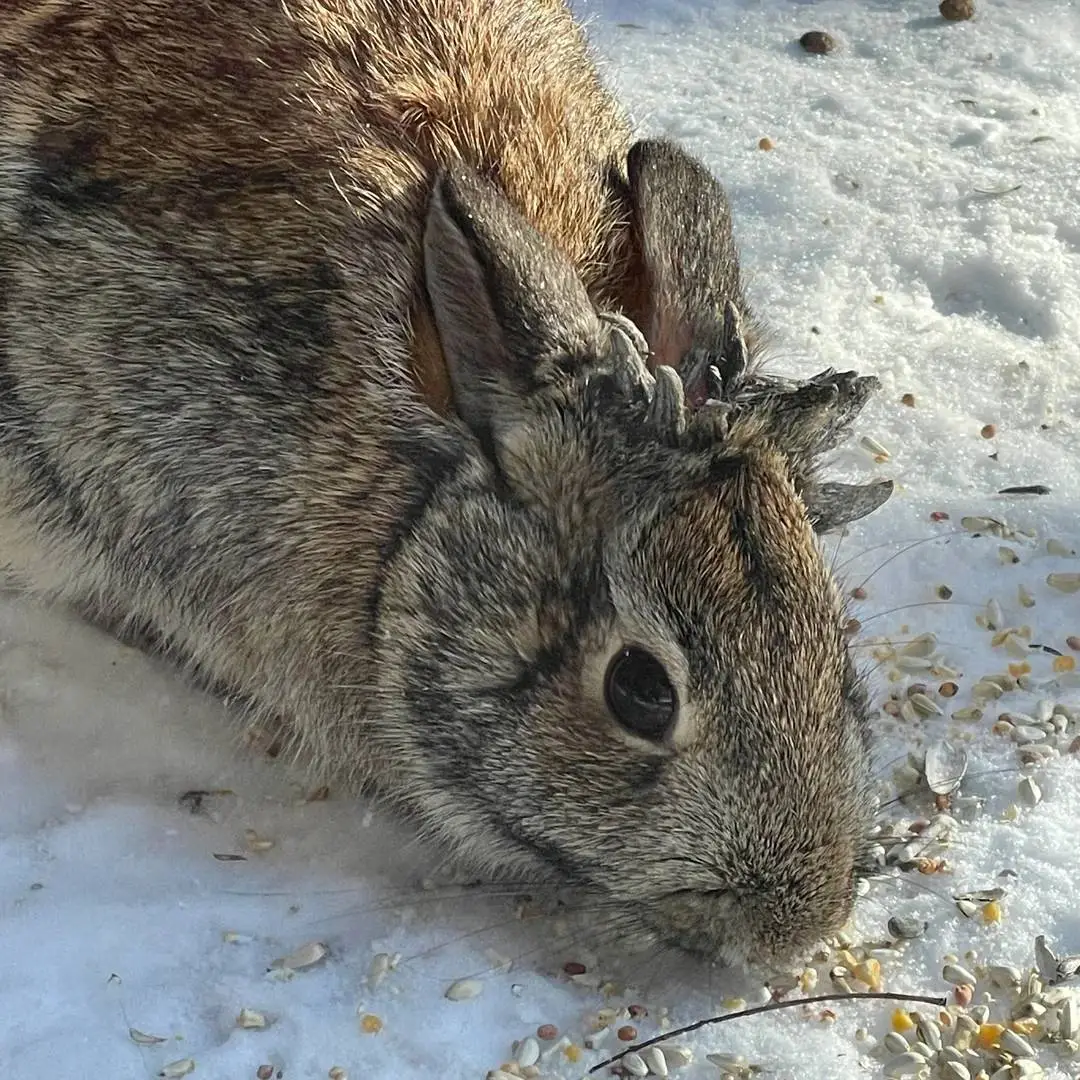
As reported by the Daily Mail, there are continued concerns about cottontail rabbit papillomavirus spreading across states. There have been increased sightings in states including Wisconsin, Minnesota, and New York, with cattle farmer Ze Peitica Gado sharing a Facebook post on May 30 that read: "Made eye contact with this rabbit and immediately regretted it. All jokes aside, I reported it to the proper wildlife authorities, but this thing was gnarly."
A June 15 post from Stephanie Griffith of Amery, Wisconsin, referred to a call from her daughter saying: "Mom! I saw one of those tentacle-faced bunnies today."
Although the last reports came from Colorado's Fort Collins in August 2025, there seems to be another uptick in sightings.
Of course, sightings happen all the time, and five months ago, one Reddit thread asked: "I have never seen this. Didn't even know about this. Anyone else seeing infected rabbits like this in Minnesota?"
As we head into the summer months and insect populations like the CRPV-carrying mosquitoes boom, you can expect to hear more about these supposed Frankenstein rabbits. Stories about mythical horned rabbits have been around since the 13th-century, while 1789's Tableau encyclopédique et méthodique has drawings of them, and the term 'jackalope' was coined just before Shope even discovered CRPV, so it's not like we're seeing anything new here.