World given Ebola warning following DR Congo outbreak and suspected case in the UK


There are concerns about the spread of Ebola, as countries around the globe remain on high alert following guidance from the World Health Organization.
It was back in May 2026 that the WHO declared Ebola a public health emergency due to an outbreak in the Democratic Republic of the Congo.
The epicenter is in the northeastern Ituri Province, although it has since spread to North and South Kivu provinces, as well as 20 confirmed cases in Uganda. Beyond the obvious health scare, the United Nations Development Programme (UNDP) claims this latest outbreak could cost Africa up to $3.6 billion and push nearly one million more people into poverty.
What's going on with the 2026 Ebola outbreak?
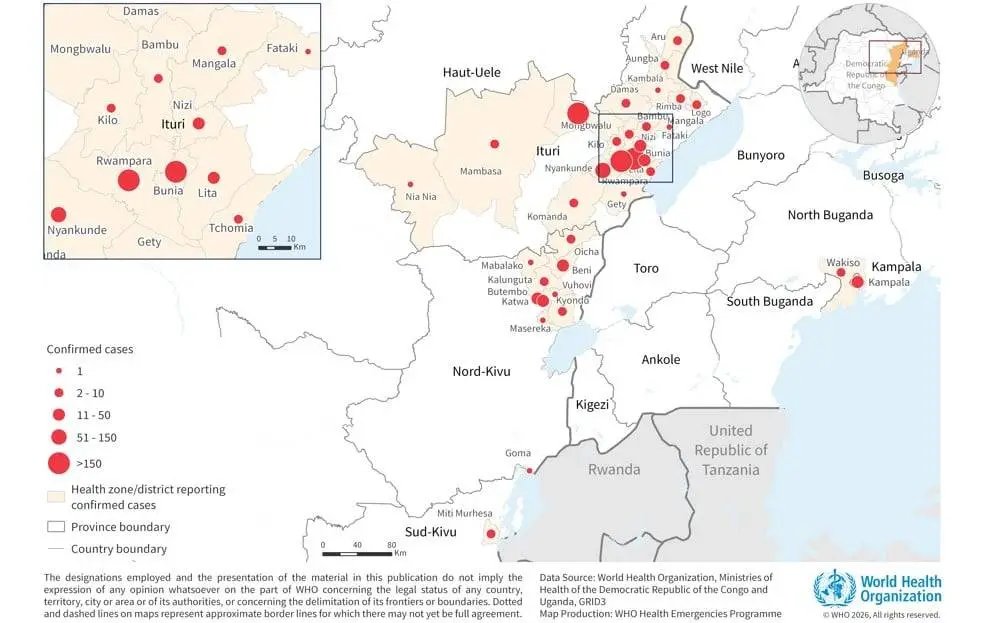
There have been over 1,300 reported cases and 370 deaths, with over 1,270 infections reported in the DR Congo alone. This makes it the third-largest Ebola outbreak on record, although there's particular concern because this latest epidemic is linked to the Bundibugyo ebolavirus strain. This strain has no approved vaccines or specific treatments, leading to fears about a potential spread to the United Kingdom.
Advert
As reported by the BBC, a patient was admitted to Scotland's Queen Elizabeth University Hospital (QEUH) and tested for Ebola on June 30. Public Health Scotland (PHS) vowed to work with the UK Health Security Agency (UKHSA) to assess how visitors could enter the UK from countries affected by Ebola, although a spokesperson reiterated: "There are currently no confirmed cases of Ebola in Scotland and the risk to the general public remains low."
Still, the UKHSA Returning Workers Scheme (RWS) has been activated, aiming to protect and monitor those who travel from the UK to affected regions.
It's now been confirmed that the suspected Scotland case has come back as negative, with PHS adding: "Public Health Scotland (PHS) is aware that an individual in Scotland was tested for Ebola as a precautionary measure. The test result has now been received and is negative."
It comes after France confirmed its first case of Ebola after a doctor returned from a humanitarian mission in the Democratic Republic of Congo. Germany also evacuated a medical missionary doctor from DR Congo to a high-level isolation facility after he operated on a patient who tested positive and then died. He's since made a full recovery.
What are the symptoms of Ebola?
Ebola is a rare but potentially deadly disease that has a fatality rate of around 50% for the Bundibugyo strain, as it attacks your body's immune system and organs. Although it's thankfully not airborne like COVID-19, it's typically spread through blood, other bodily fluids, and fruit bats serving as natural reservoirs.
Symptoms can develop anywhere between two and 21 days, with early ones including headache, fatigue, fever, and abdominal pain. Later stages extend to vomiting, impaired kidney and liver function, as well as external and internal bleeding.
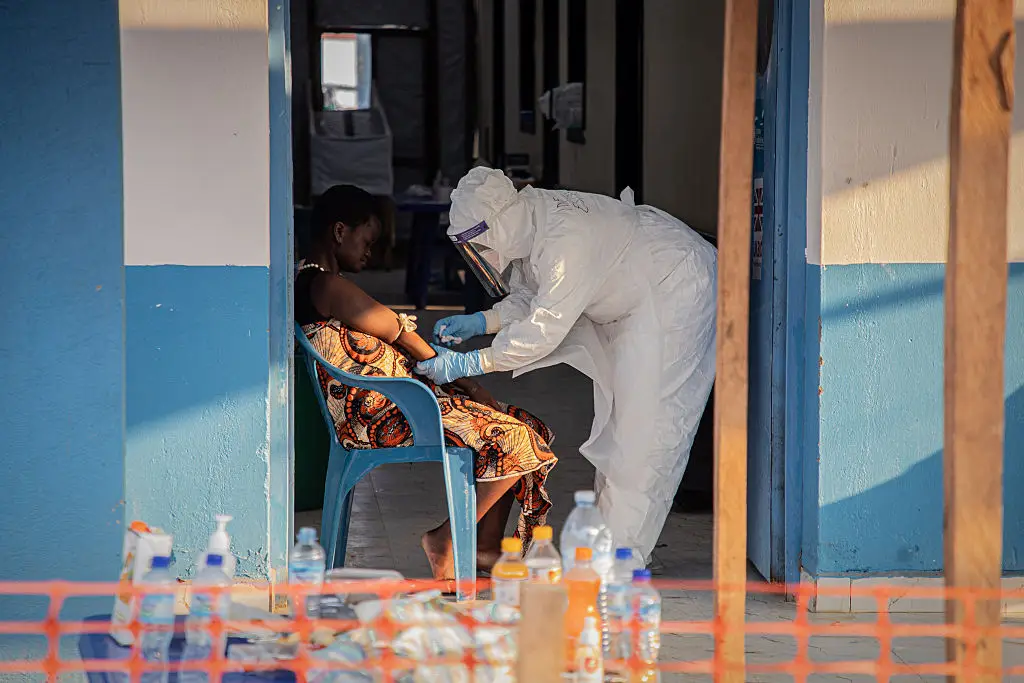
Worringly, the WHO says that the Ervebo Ebola vaccine and monoclonal antibody treatments are only certified for the Zaire ebolavirus strain, warning that there's no sufficient evidence they protect against the Bundibugyo strain.
There's no standardized cure, meaning we're limited to supportive care like rehydration and treating individual symptoms.
What advice does the CDC have about Ebola?
According to the Centers for Disease Control and Prevention, there are currently no Ebola cases reported in the USA. The chances of it spreading there are considered 'very low', while the CDC reiterated: "If a case was diagnosed in the United States, the risk of Ebola spreading in the United States is also low due to the strength of our public health system and infection control measures."
The CDC has activated emergency responses that include enhanced screening of people entering the USA from DR Congo, Uganda, and the neighboring South Sudan.
As the CDC continues to monitor the situation, American citizens are told to avoid non-essential travel to Ituri, Nord-Kivu, and Sud-Kivu provinces in DRC. If you're heading to DR Congo or Uganda, you're told to take precautions to avoid exposure to Ebola and monitor for potential symptoms while traveling, as well as for 21 days after.