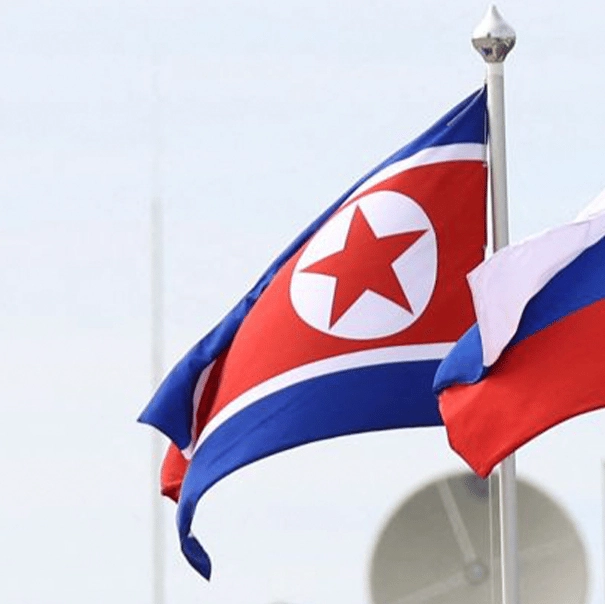
Woman who lived in North Korea for two years reveals eerie 'unspoken rules' you have to live by


North Korea is widely considered one of the most secretive countries on Earth.
With tightly controlled borders, limited internet access and state-approved media shaping nearly every narrative, it’s rare to see what life inside the country is really like.
For most people, the closest they'll ever get to understanding life is peering across the 'human safari' tourist view that attracts millions in Dandong, China.
Unfiltered, first-hand accounts from people who've actually lived and worked inside North Korea are incredibly rare.
Advert
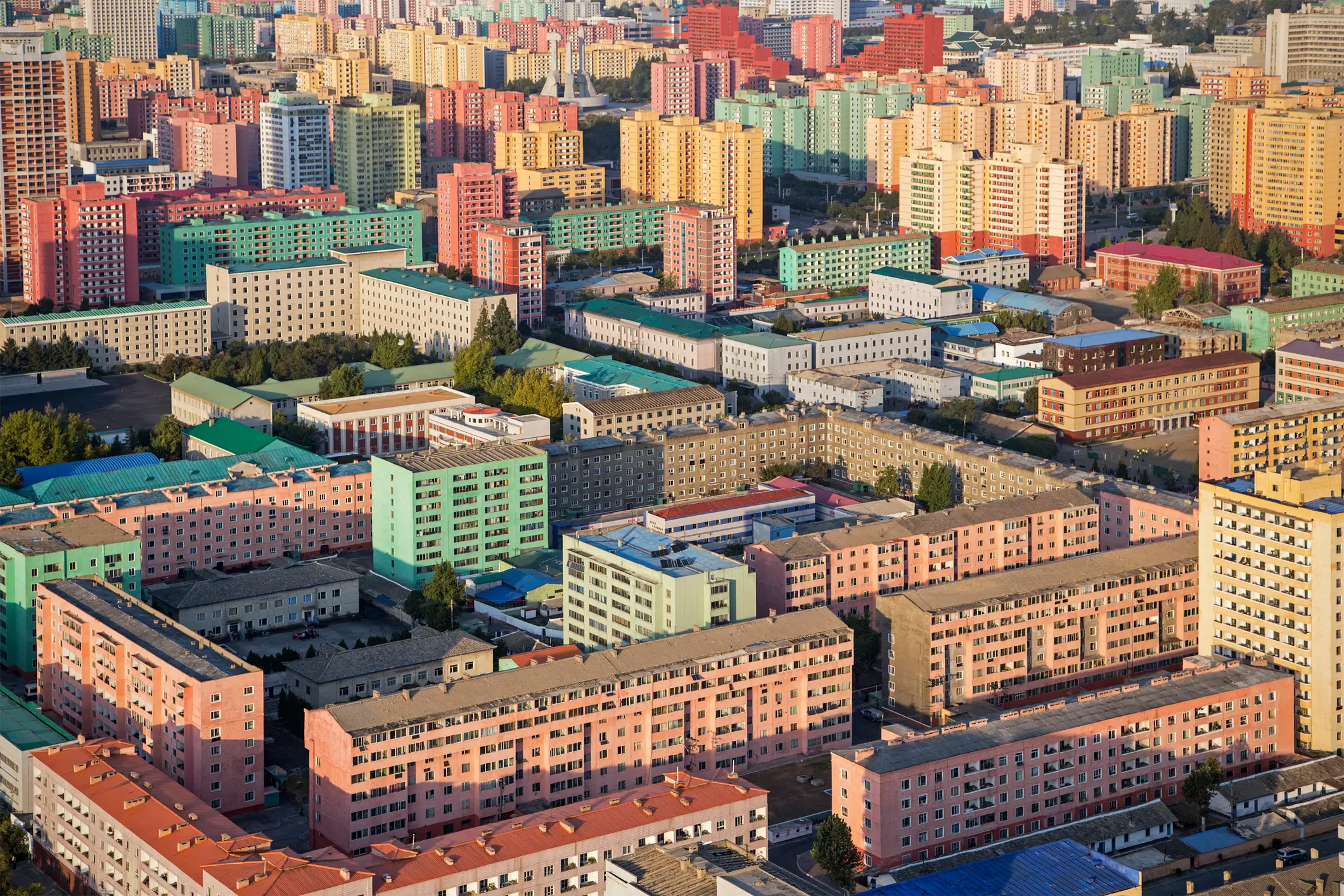
And so, when one Reddit user shared their experience of living in North Korea after spending two years there as an 'aid worker' it went pretty viral.
In the post, the woman described that 'the country is surrounded by myths, controversy, and very polarized views.' She explained: "Some see it only as a place of repression, others use it as a metaphor for completely different issues."
But according to the aid worker, who wrote a novel about their North Korean experience, their time spent in the country was 'more complex.'
"Daily life there isn’t black and white: people find ways to laugh, build friendships, raise children, adapt, and survive within the system," she added.
Despite the normality, the social media user mentioned some 'unspoken rules' that 'don't fit into the stereotypes'. Naturally, commentators flooded the forum asking for more details about these so-called 'grey areas.'
The former resident explained that North Koreans are 'very proud and deeply nationalist, so pride and loyalty often come naturally.' In Pyongyang, bicycles aren’t 'supposed to be ridden directly in front of the Juche Tower'. Out of respect, people would dismount and walk their bikes instead, the Redditor noted.
Moreover, while people didn't bow in front of every portrait, she 'spoke about the leaders with respect,' adding: "There wasn’t a written law forcing this silence, but people simply wouldn’t criticize."
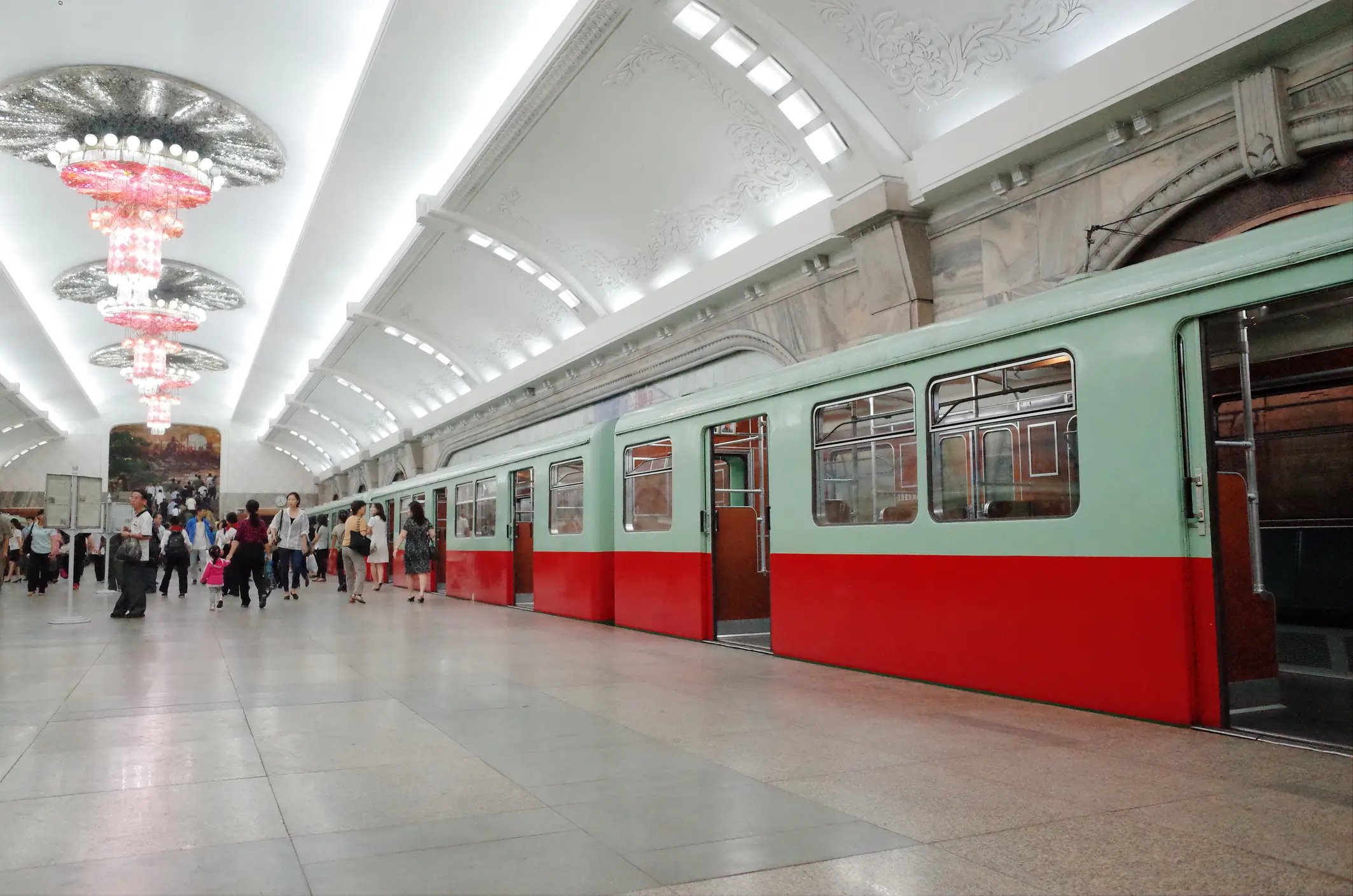
The Redditor also debunked popular myths about life in Korea from an outsider's perspective including that foreigners can’t ride public transport or that locals won’t talk to foreigners in Pyongyang. Both of which she found to be untrue in their case.
"So the reality is more nuanced," she concluded. "Some rituals exist, but much of the “rule” is about internalized loyalty, national pride, and common sense about what not to say — not constant enforcement."
Answering other questions in the comments section, the former resident admitted that she 'never felt in any danger', but she felt foreigners did only have 'small privileges.'