Trump activates 'wartime' law that could have significant impact on household bills


With the Iran war continuing to put pressure on energy costs and surging power demand, the cost of living remains stubbornly high.
However, Donald Trump has turned to a law that dates back to the Cold War era that could give the federal government the power to change that.
What is the Defense Production Act?
According to Bloomberg, President Trump invoked the Defense Production Act (DPA) to provide federal funds to the energy industries deemed critical to national defence. As a result, the funds could help prevent rising oil, gasoline and electricity costs.
On Monday, the US President signed five presidential determinations under the law, covering domestic coal power, liquefied natural gas, domestic petroleum and power-grid infrastructure. In each case, the funding has been provided from Trump’s flagship tax-and-spending package last year.
Advert
In other words, this means the Energy Department now has the authority to provide financial support, make energy purchases, and use other tools to overcome regulatory delays. In turn, this will bridge funding gaps and supply chain problems that have been slowing energy development across the country.
As shared by Bloomberg, White House spokeswoman Taylor Rogers described Trump's move as part of his promise 'to fully unleash American energy dominance to protect our economic and national security.'
Why is Trump invoking the law now?
Trump has consistently pledged that producing more energy at home, particularly oil and coal, is the most direct way to bring energy prices down and meet the country's growing power needs.
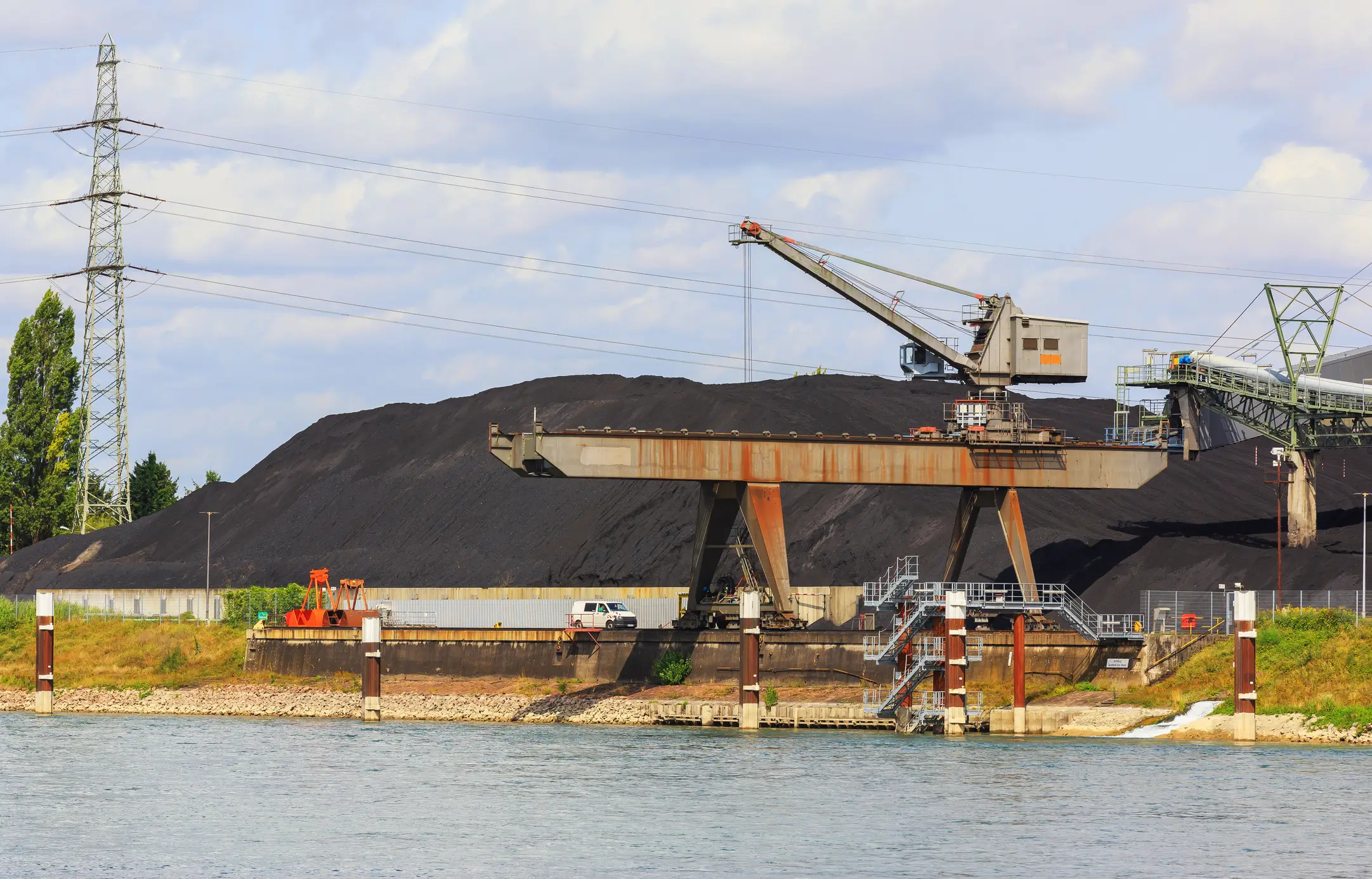
On Monday, he stated that coal-powered electricity is essential 'to support defense installations, industrial expansion, and the high-energy demands of emerging technologies, such as artificial intelligence.'
According to Trump, the nation’s 'ageing and constrained electric grid infrastructure' poses an 'increasing threat to national defence.'
How will the new law affect household bills?
The administration's argument for why this will lead to lower energy bills for Americans comes down to three main points.
The first involves a commitment made by some of the world's biggest technology companies, ChatGPT predicted.
Amazon, Google, Meta, Microsoft, OpenAI, Oracle, and xAI have all signed what the White House calls a Ratepayer Protection Pledge, agreeing to 'build, bring or buy' their own power sources and pay the full cost of any grid upgrades their operations require.
The idea is that if tech companies are covering their own energy costs, those costs will not be passed on to everyday households through higher electricity bills.
Secondly, by using the DPA to cut through 'regulatory hold-ups', the administration believes it can get 'unleash reliable, affordable, secure energy' significantly more domestic energy onto the market more quickly, Rogers added.
Finally, the new law aims to secure US supply chains. The nation has been facing a shortage of electrical transformers and other high-voltage equipment essential to maintaining and expanding the power grid, ChatGPT highlighted.
These shortages have contributed to higher 'grid maintenance' costs, which energy companies pass on to customers through their bills. By using the DPA to accelerate their production the White House hopes to ease that pressure and reduce what households pay each month.