
First evidence-based government guidance on screen time will set new limits on kids' scroll time


We know that being a parent isn't easy, and when you've got crying tots in the terrible twos, it's tempting to stick on a Peppa Pig omnibus or let them watch endless hours of Cocomelon. With continued fears about how much screen time we're getting as adults, there are already calls to limit the exposure of teenagers. So, just imagine what the experts are saying about what our under-fives are able to watch.
Now, evidence-based government guidance has emerged in one major country, advising parents and guardians on how much screen time they should be limiting their little ones to. Many of us have been shocked to learn our average screen time and what we could've been putting those wasted hours into, but the global average is even more alarming.
The Japanese city of Toyoake, in the Aichi prefecture, already celebrated success when it introduced a two-hour screen time limit for all residents, while there's plenty of research into the benefits of ditching screens and going outside to literally touch grass.
More than just giving under-fives square eyes, government guidance in the United Kingdom suggests they should be getting no more than an hour of screen time a day. That sounds pretty sensible when considering how these young minds are being molded, with the BBC reporting on how those taking care of under-twos should keep them away from screens altogether.
Advert
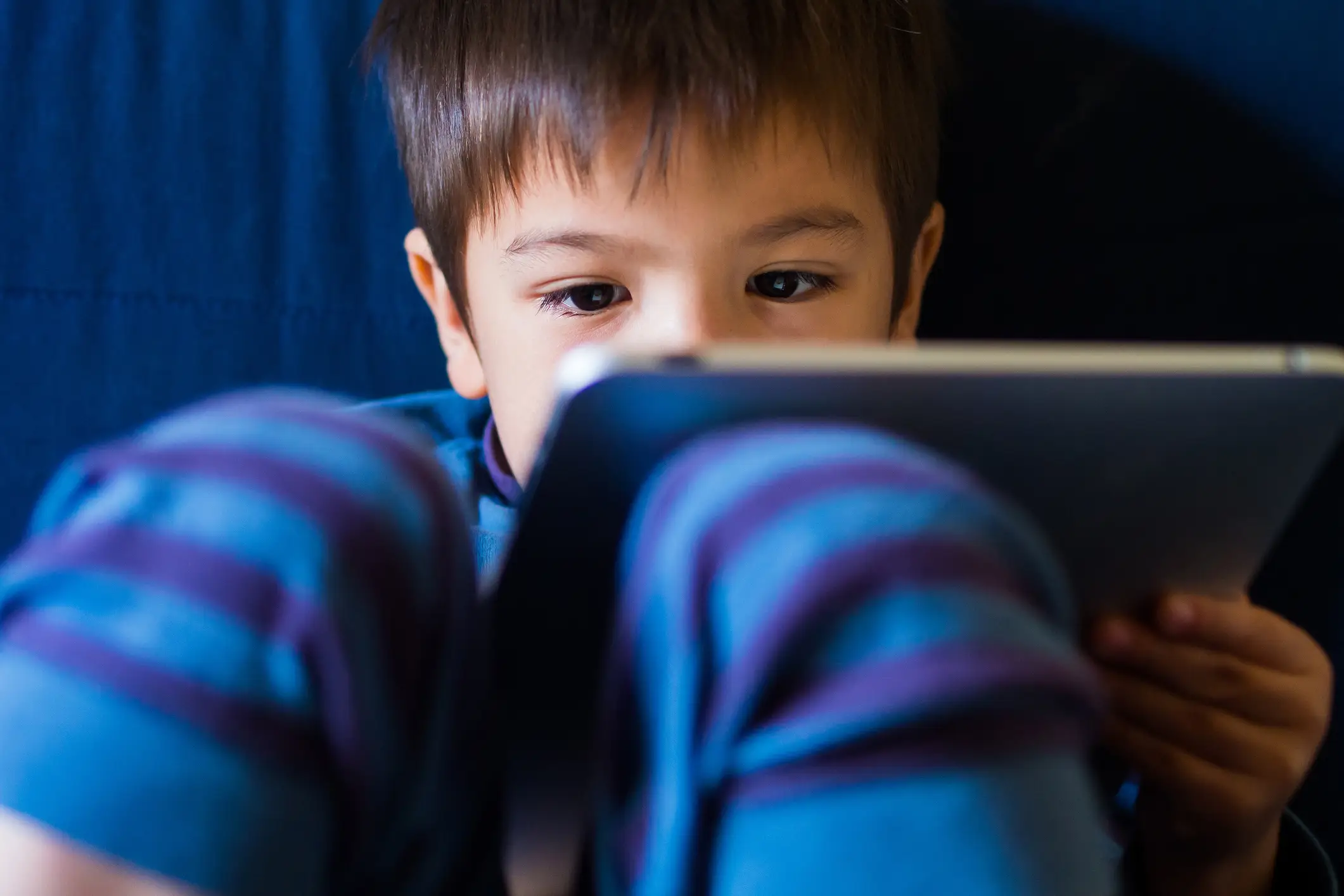
Alongside under-fives avoiding 'fast-paced videos' and not being left alone with screens where possible, the UK government tells them to opt for 'screen swaps' where devices are taken away, and you spend some quality time reading stories to kids, or playing games to keep them occupied at mealtimes.
This covers everything from mobile phones to televisions, so no more letting your children nod off to the blue glare of an iPad.
Ministers say the guidance will be continuously reviewed, although it's something of a milestone as the first evidence-backed, practical advice.
Cheering the guidelines, Education Secretary Bridget Phillipson reiterated: "This is still quite an unknown area in lots of respects and we've taken a precautionary approach."
It’s ultimately the work of Children's Commissioner for England Dame Rachel de Souza, as well as Russell Viner, professor of paediatrics and adolescent health at University College London. Both reviewed the evidence that warned leaving kids alone with screens for extended periods can affect their sleep and the physical activities that are key developing into healthy teenagers.
Differentiating between types of content, the Institute for the Science of Early Years at the University of East London's Professor Sam Wass took a particular interest in fast-paced content, noting: "If stuff is coming at us too fast, something called the fight-or-flight stress system kicks in, where your heart starts beating faster and you start to get a lot of energy released to your muscles.

"Of course, this isn't actually useful anymore, because this is happening when children are sat still on a chair watching screen content."
The new findings come at a time when the UK is looking into whether it will follow Australia's footsteps and limit social media to those over the age of 16.
This research comes after the same government previously highlighted concerns that 98% of children are said to be exposed to screens on a daily basis before they even reach the age of two.
It's not necessarily a case of screens being devil devices, as watching a screen with an 'engaged adult' is said to be better for cognitive development. After all, how many of us grew up being educated by Sesame Street?
The general warning is that children's brains are "like sponges - they'll copy your screen use habits," meaning you should keep a close eye on what they're consuming.
As for how our viewing habits have changed over the years, Wass claims there's 'good evidence' of a link between emotional dysregulation (being unable to manage emotional responses) and how long we spend glued to our screens.
Phillipson concluded: "I know there are lots of pressures on families and the intention behind the guidance is not to be judgmental, but to be supportive and to provide that clear practical help that parents have been telling us they really want to see."