How the words of the year expose chilling reality of the internet's death spiral


As 2025 comes to a close it's time for the 'words of the year' to be revealed, and while what is usually a reflection of the biggest events or moments, this year's words mirror the chilling 'death spiral' of the internet at large.
The internet has undeniably changed the world, and many would say for the better, as the original utopian vision of providing free access to information for anyone across the globe was fulfilled and remains largely still the case — albeit with a different cost.
What has emerged over the years as the world wide web has evolved though is its downsides, especially with what we see pushed through social media, as not only are many platforms specifically designed to be addictive, but they also thrive on outrage and division.
Perhaps nothing has accelerated that more than the rapid rise of artificial intelligence though, as it allows people to conjure up images and videos of whatever they want, and powers the bot-driven content that appears to be edging us ever closer to the dead internet theory.
Advert
One unexpected place that this has become most clear is the choices for 2025's word of the year from some of the leading dictionaries, as they all lean into the dystopian and horrific side of the internet that is growing uncomfortably larger.
As reported by the Independent, here are the choices for 'word of the year' from four of the most significant dictionaries:
- 'Rage bait' — Oxford Dictionary
- 'AI slop' — Macquarie Dictionary
- 'Parasocial' — Cambridge Dictionary
- '6-7' — Dictionary.com
What ties these words together isn't just their intrinsic bond to social media but the fact that they show the worst side of it, from chilling human behavior to the degradation of the content that is shared on these platforms.
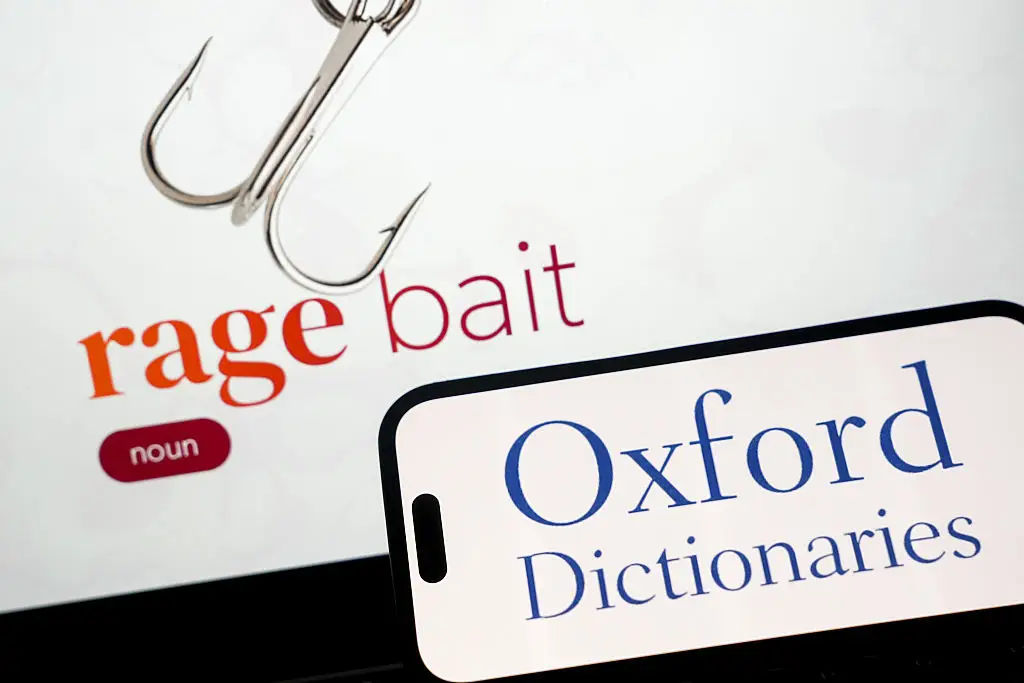
Rage bait, as platformed by the Oxford Dictionary, is something that arguably defines social media these days — especially in places like X since Elon Musk took over.
Social media now plays a huge role in political discussions and movements, yet so much stems from people trying to get a reaction, especially in a bid to game algorithmic recommendations and view-based revenue streams which can be incredibly lucrative.
The rise in 'AI slop' is linked to this but stands on its own as something that is very much plaguing the internet, as content that was once made and shared by humans is now increasingly swamped by meaningless and often nonsensical artificially generated videos and images, which feel even worse as they come at a greater cost to the environment.
It'd be impossible to argue that there's been a bigger meme this year than '6-7', regardless of whether you actually understand it or not. The phrase and its associated hand movements have taken over places like TikTok, and have even riled up Vice President JD Vance, yet its meaninglessness highlights once again the degradation of content that is shared on social media.
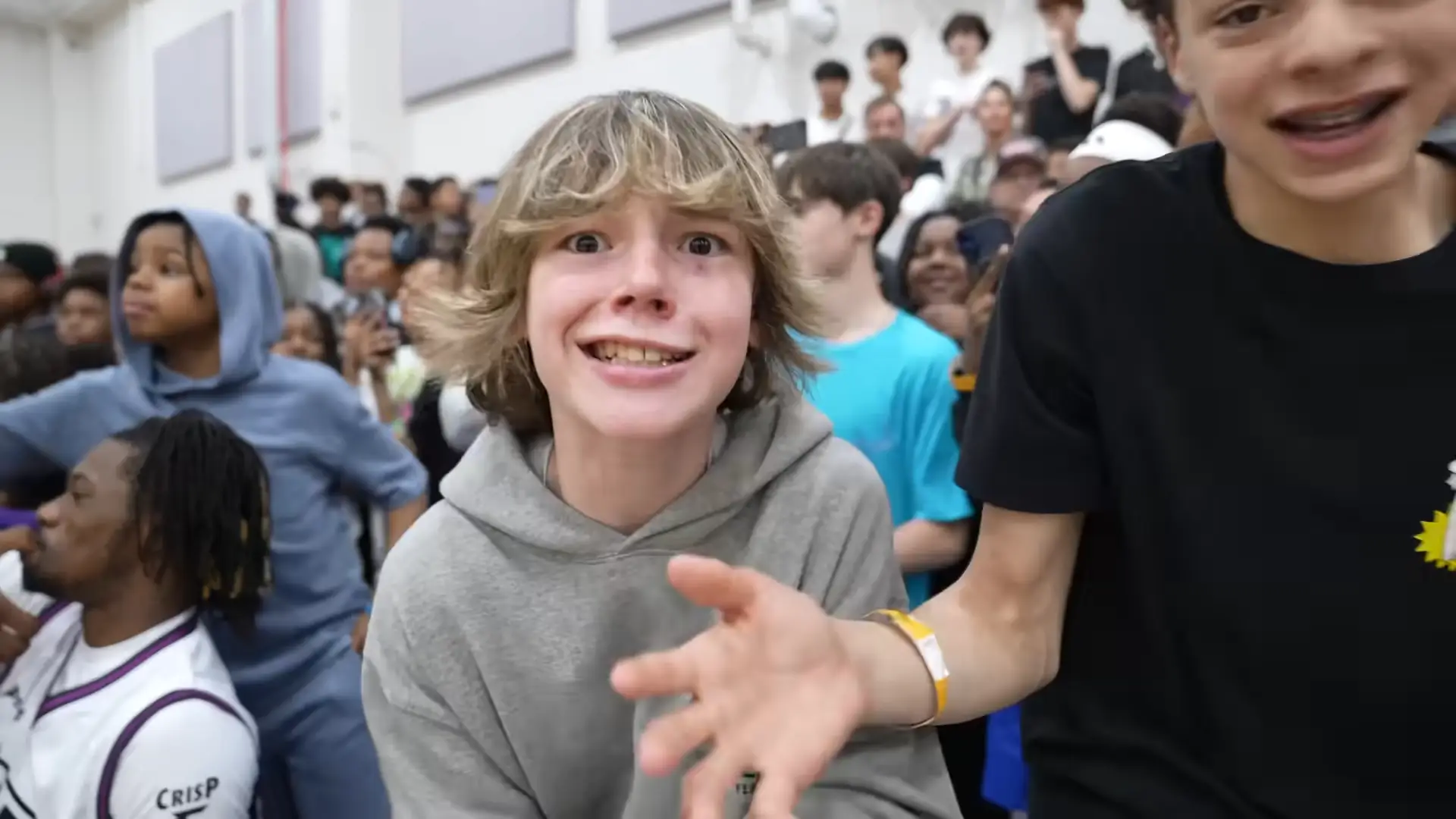
Finally, and perhaps most worryingly, the concept of 'parasocial' relationships are certainly not a new this this year – and they've existed in some form long before the internet was even invented – yet it is increasingly becoming a problem in the age of social media stars.
Many Twitch streamers have expressed how unsafe they feel at certain events and even simply leaving the house due to the parasocial entitlement of certain viewers, and the same very much extends to celebrities too.
"The internet of yesteryear was information," writes one comment on Reddit responding to these newly-popularized words. "The internet of today is a bunch of corporations trying to elicit a reaction from an exhausted populace."
Another added that the "internet was ruined when every single aspect of it was monetized. It's now ran entirely by algorithms and people abusing algorithms to make money."