Date for Japan's $26,300,000,000 economic boom revealed after discovery of 230,000,000 ton reserve


Japan is bracing for a massive economic boom following the discovery of a rare mineral deposit.
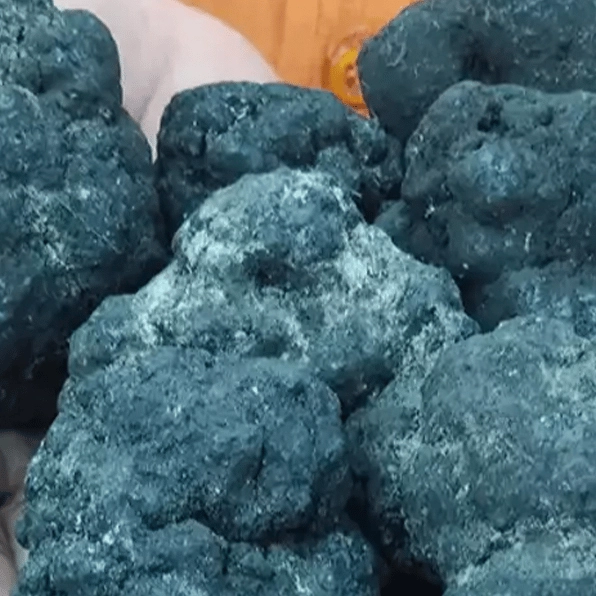
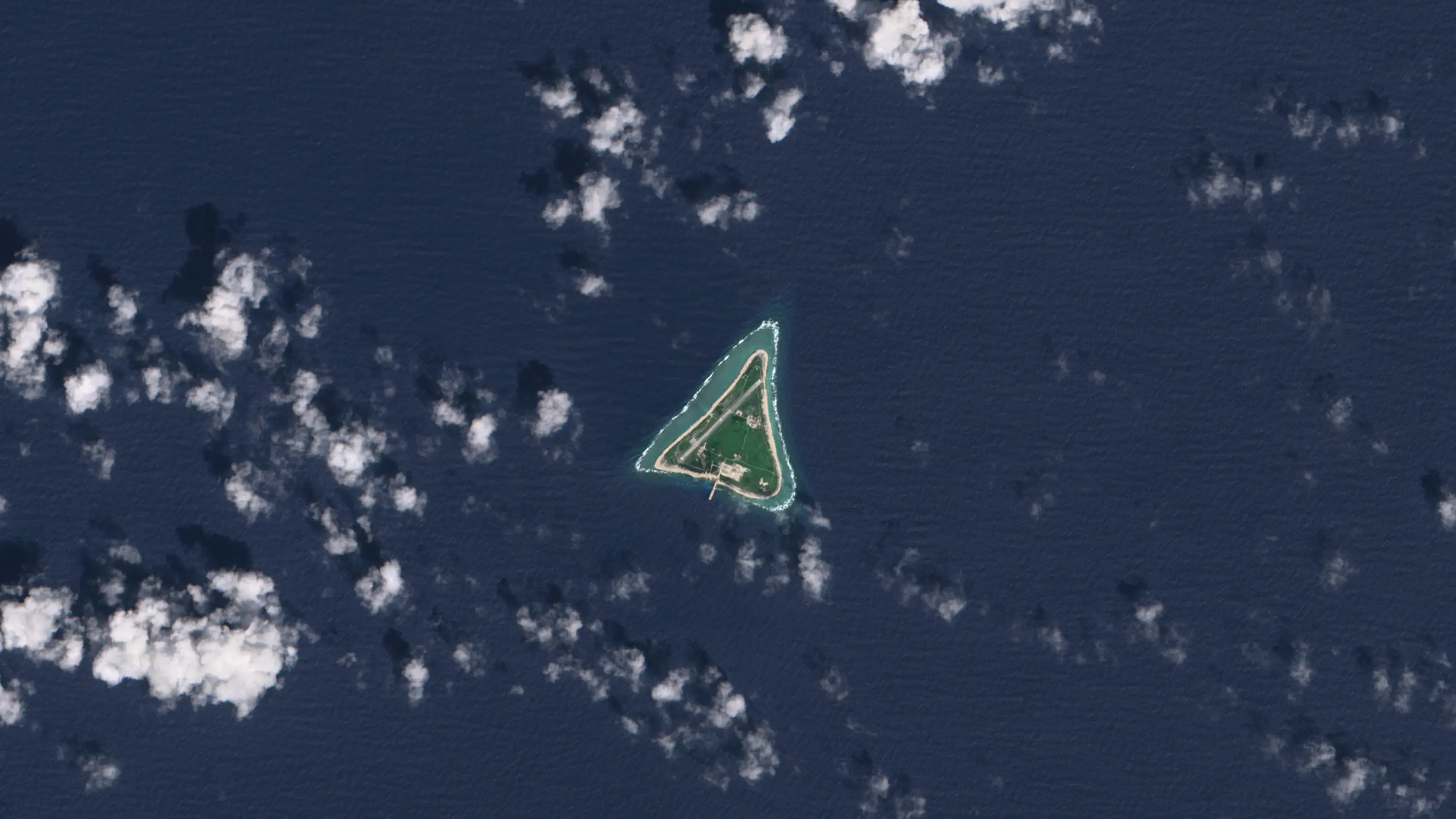
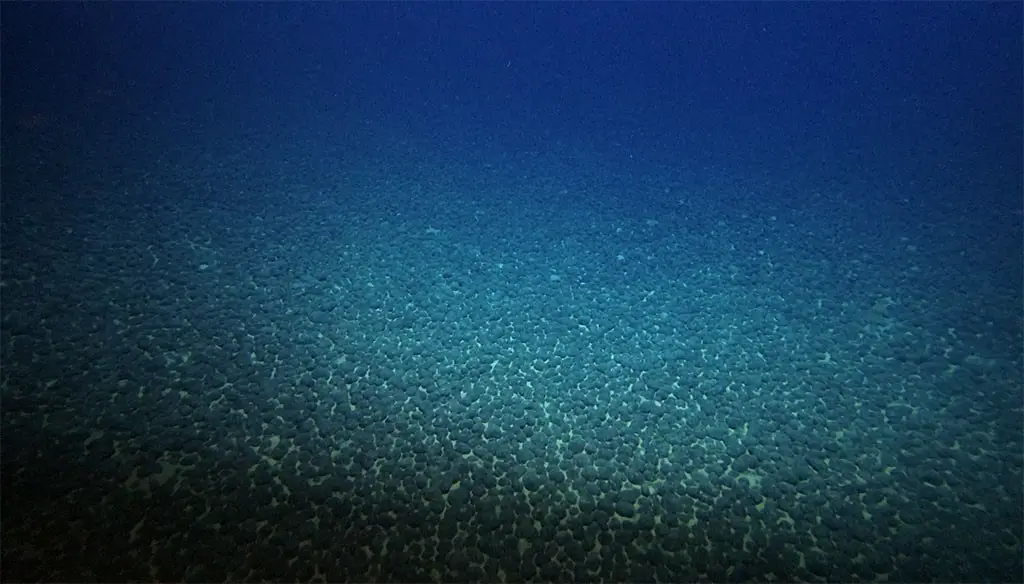
Researchers found the mother lode of minerals around the Minami-Tori-shima island harbors, uncovering a dense field of 230 million tons of "easily extractable manganese deposits" that could be instrumental in boosting is manufacturing industry.
The depository of manganese nodules contains rare metals like cobalt and nickel that are used in the creation of everything from electric car batteries to smartphone batteries. Japan has said it won't be selling the $26.3 billion haul, but holding onto it to boost its own economy, the careful process or harvesting these deposits from the seafloor is soon set to begin.
With the University of Tokyo contributing to material analysis, the Nippon Foundation had penciled in work to start before the end of fiscal year 2025.
Advert
The Nippon foundations says: "Starting in 2026, we expect to set up a joint venture with multiple Japanese companies to commercialize the minerals as domestically produced resources."
However, there are worries about the environmental impact of dredging these manganese deposits, with Travis Washburn, a researcher at the Geological Survey of Japan, suggesting ocean creatures are driven from areas of deep-sea mining and even the surrounding regions not being directly mined. Washburn says: "These results suggest the impact of deep-sea mining could be even bigger than we think."
Washburn had assumed that there wouldn't be any change because the mining test was small, but this wasn't the case: "They drove the machine for two hours, and the sediment plume only travelled a few hundred meters But it was actually enough to shift things.”
Checking back on a test area after a year showed a shocking 43% drop in fish and shrimp populations.
Speaking to the BBC's Science Focus, Sophie Benbow, director of a marine programme at a conservation charity warns there's still much to be learned and said: "Medical advances and new technologies could be deciphered from the study of deep-sea species, but they could be wiped out before we even know they exist if deep-seabed mining is to go ahead prematurely."
If that wasn't enough, BMO Capital Markets analyst Colin Hamilton wrote in a brief about the challenges of mining in the first place: "Extraction will not be simple, and we see this as a potential test case for the benefits versus disadvantages of deep-sea mining of materials relating to the global fuel-to-materials transition."
Located some 5,700 meters beneath the sea, there are 610,000 metric tons of cobalt and 740,000 metric tons of nickel, meaning this operation is well worth it for Japan.
As a metric ton of cobalt is currently trading at $24,300 and nickel at $15,497, the grand total of $26,290,780,000 is nothing to turn your nose up at.
The International Seabed Authority (ISA) is working on regulations for underwater mining, hoping to finalize the code in 2025. Despite the potential environmental challenges, it looks like mining operations will continue as planned.