You could be owed a full refund as Amazon loses court fight over 400,000 dangerous products


Amazon is getting more than a slap on the wrist, as it could soon be hit hard in the pocket after over 400,000 'dangerous' products were recalled.
The internet shopping giant generated $584.07 billion in the first nine months of 2026, and with Q3 ending on September 30, an impressive $201.94 billion was up 12% year-over-year.
It's said that there are up to 200 million Amazon Prime subscribers in the USA alone, meaning millions of you are picking it every day for everything from toothbrush head replacements to game consoles, dog treats to robot vacuums.
With products literally flying off shelves, Amazon has once again landed on the radar of the U.S. Consumer Product Safety Commission.
Advert
The CPSC confirmed that on November 24, the U.S. District Court for the District of Maryland dismissed Amazon's lawsuit against it.
Amazon was attempting to overturn the CPSC's mandatory recall for over 400,000 third-party products, arguing that because they were sold as part of its Fulfillment by Amazon (FBA) program, it wasn't liable for any dangerous goods.
The argument saw Amazon maintain that it never owned, manufactured, or held title to any hazardous goods sold through FBA. Instead, Amazon says it was simply a warehouse and shipping provider.
This is a category that is exempt from recall liability under the Consumer Product Safety Act (CPSA).
As reported by The Verge, the 400,000 FBA items pose a "substantial product hazard" and range from faulty carbon monoxide detectors to children's sleepwear that doesn't meet federal flammability standards.
A January 2025 order from the CPSC demands Amazon notify the general public by posting recall releases to Amazon.com, as well as contact original purchasers directly via email. Information about recalls must be available on each person's 'Your Orders' page.
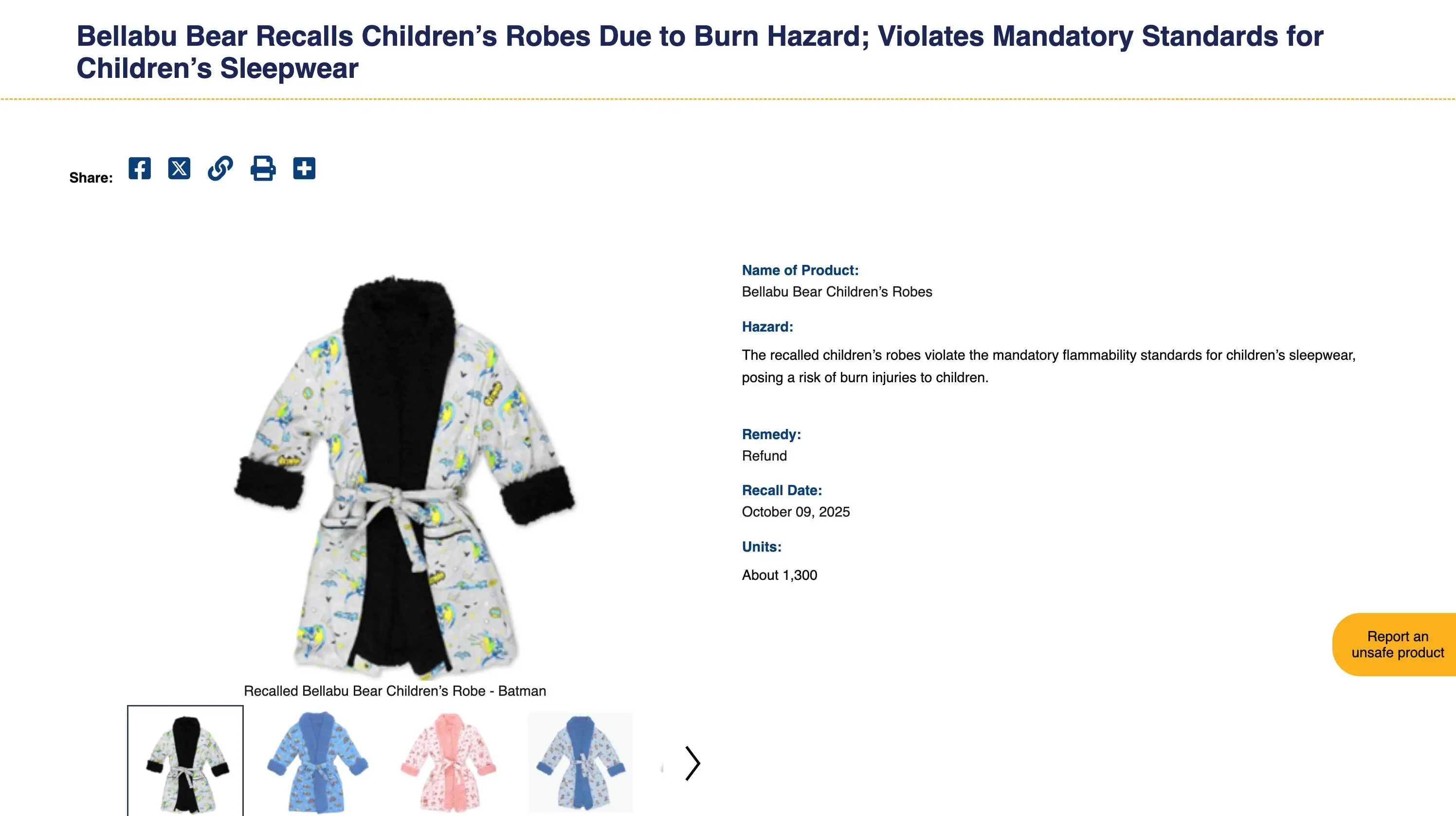
Customers are entitled to a full refund for the purchase price as long as they submit proof they've destroyed or disposed of a recalled product.
Amazon must also maintain records on its 'Recalls and Product Safety Alerts' Amazon.com page for a minimum of five years, and submit monthly progress reports for five years.
Elsewhere in Amazon's case, it argued that the CPSC's order was unlawful under the Administrative Procedure Act because it had already warned affected buyers, issued refunds in 2021 and 2022, blocked listings, and destroyed warehouse inventory.
It further argued that its First Amendment rights had been violated, as the CPSC and commissioners are shielded from presidential removal while acting as "judge, jury, and prosecutor."
The CPSC's defense included arguments that Amazon's FBA program goes far beyond shipping and storage, with apparent control over seller-buyer communications, processing payments, enforcing pricing rules, and handling returns.
This expanded to claims that Amazon downplayed risks by warning of 'potential' safety issues without using the word 'recall'. Amazon was also called out for issuing store credit rather than full refunds.
Ultimately, U.S. District Judge Lydia Kay Griggsby of the District of Maryland sided with the CPSC. This result was cheered by CPSC Acting Chairman Peter A. Feldman, who concluded: "This is an important victory for American consumers and a significant step toward greater regulatory certainty in the e-commerce marketplace. American families deserve the same consumer safety protections under federal law whether they shop online or in a brick-and-mortar store."
In a statement to The Verge, Amazon spokesperson Sammy Brill said: We have a longstanding commitment to removing unsafe and recalled products from our store and notifying customers, backed by an industry-leading recalls process.
“We’re reviewing our options following the ruling and look forward to continuing to work with the CPSC to put customer safety first.”