What extending TV licence fee to Netflix and YouTube could mean for households after government plans leak


Rumors are circulating that the British government might be planning to charge people to watch films and TV shows on streaming services, leading to many questioning what this potential fee could mean for their household.
This comes after new leaks suggest that TV Licensing might be set to extend its rules to streaming platforms like Netflix as well as the video sharing site YouTube.
According to a report by Ampere Analysis, the BBC could be set to make up to £1.6 billion ($2.1 billion) if the new fee comes into practice.
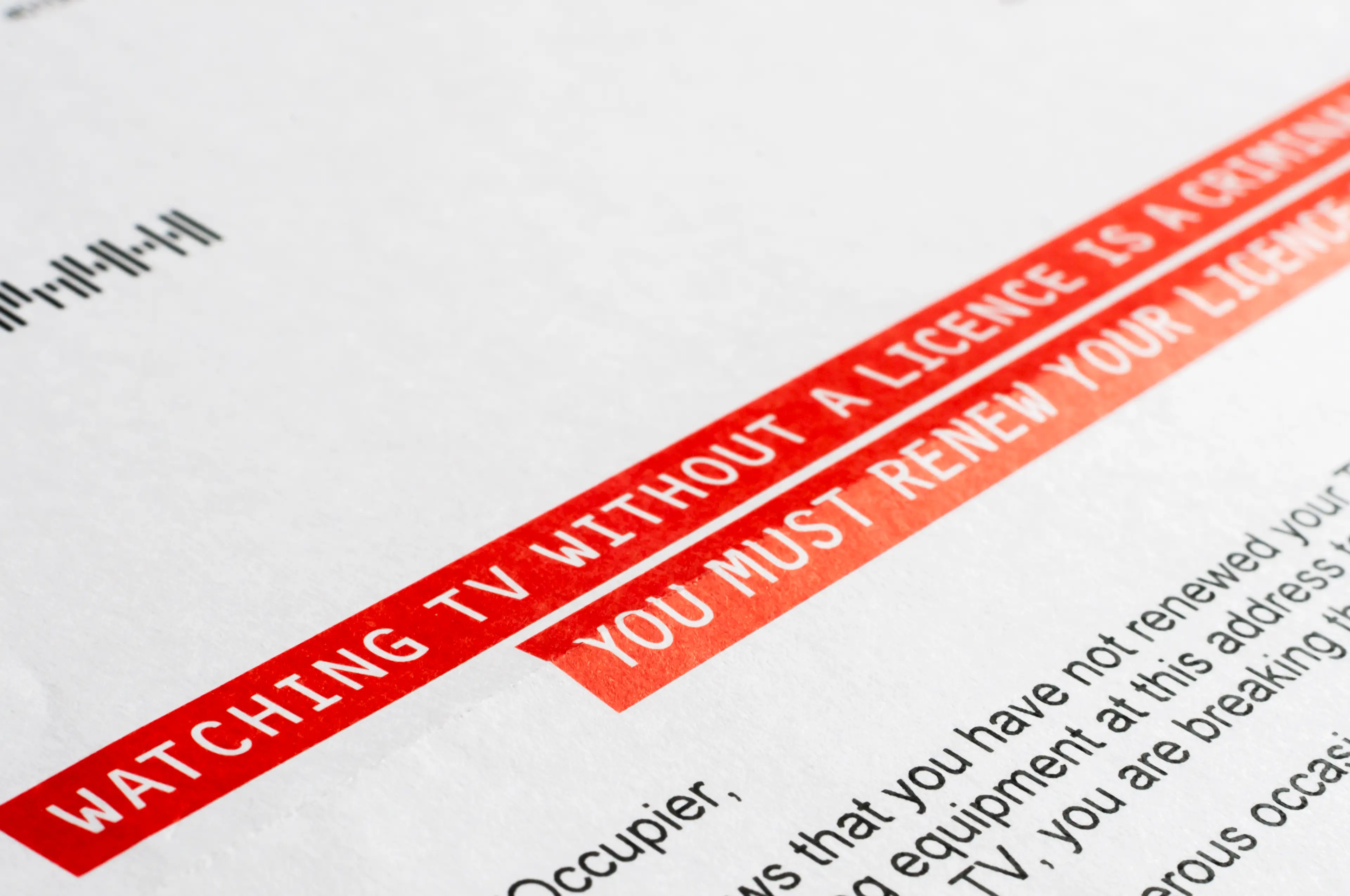
Recently, TV licence rules extended to include BBC catch-up platforms and live TV on paid services, such as Sky.
Advert
However, if the leaks come to fruition, people in the UK will need to cough up if they want to continue streaming entertainment.
What do TV Licensing leaks mean for UK households?
The government leaks regarding possible TV Licensing rule changes could mean that people might be required to pay the licence fee even if they don’t actually watch the BBC or anything on freeview.
Instead, they might be required to pay the price simply because they subscribe to online streaming platforms or watch content on YouTube.
This will be bad news for households who have cancelled their TV licence because they no longer watch traditional television, instead opting for on-demand content on the likes of Disney+ or Amazon Prime Video.
Ampere Analysis goes on to share that the British government will ‘publish a white paper before the end of 2026’, which will shed some light on the future of the BBC and its licence fee.
The independent data analytics firm added: “The revenue generated by a wider-reaching licence fee would depend on enforcement. With perfect enforcement, an expanded fee could raise an extra £1.6bn annually for the BBC by 2032. This assumes that the current fee rises with inflation each year and that new enforcement methods, such as a requirement for users to verify their TV licence when logging into a streaming service, eliminate evasion.
“However, if evasion rates remain similar to today’s, extending the fee could still generate an extra £1bn in revenue by 2032. Both extension scenarios would strengthen the BBC’s long-term financial position and its ability to compete with local and global rivals.”
What are the new leaked TV licence rules?
As reported by the Independent, the new proposed rules would see the TV licence expanded to include a number of the biggest streaming platforms, all of which are currently exempt outside of live broadcast content like sports.
The motivation behind the change is to cover what the government describes to be a ‘loophole’, with people opting for these services to ‘avoid paying’ the licence fee while still watching TV. It's important to remember though that the government has not officially announced these plans.