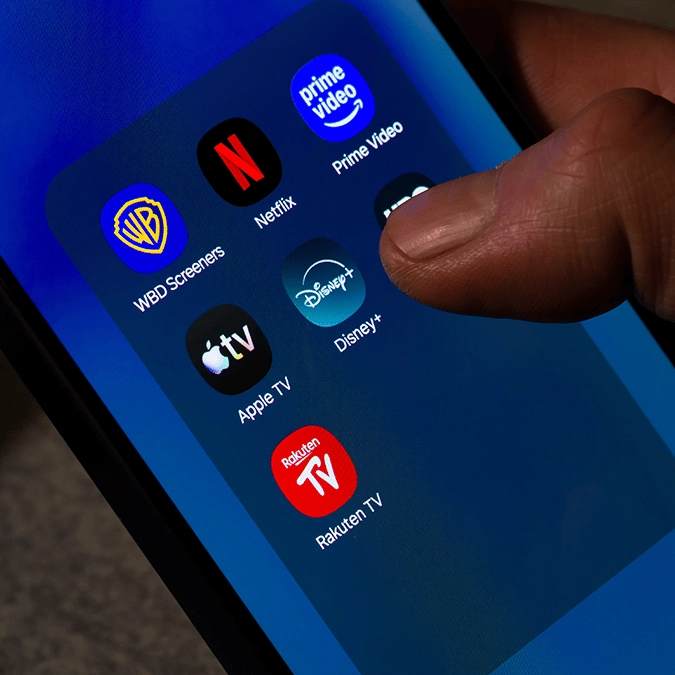
Everything that would be hit by 'YouTube tax' as government plans to extend license fee leak


Streaming services and some social media platforms are currently involved in plans for a TV licence extension in the United Kingdom, with people now having to pay the yearly fee in order to enjoy content outside of the traditional TV ecosystem.
It has been 80 years since the TV licence was first introduced and our telly-watching habits have evolved dramatically since them, but the government have seemingly struggled to keep up with the evolution.
Even within the last decade alone we've seen a massive shift, with people now more often than not choosing to enjoy content available through streaming services like Netflix or Disney+, or even on free social media platforms like YouTube and Twitch.
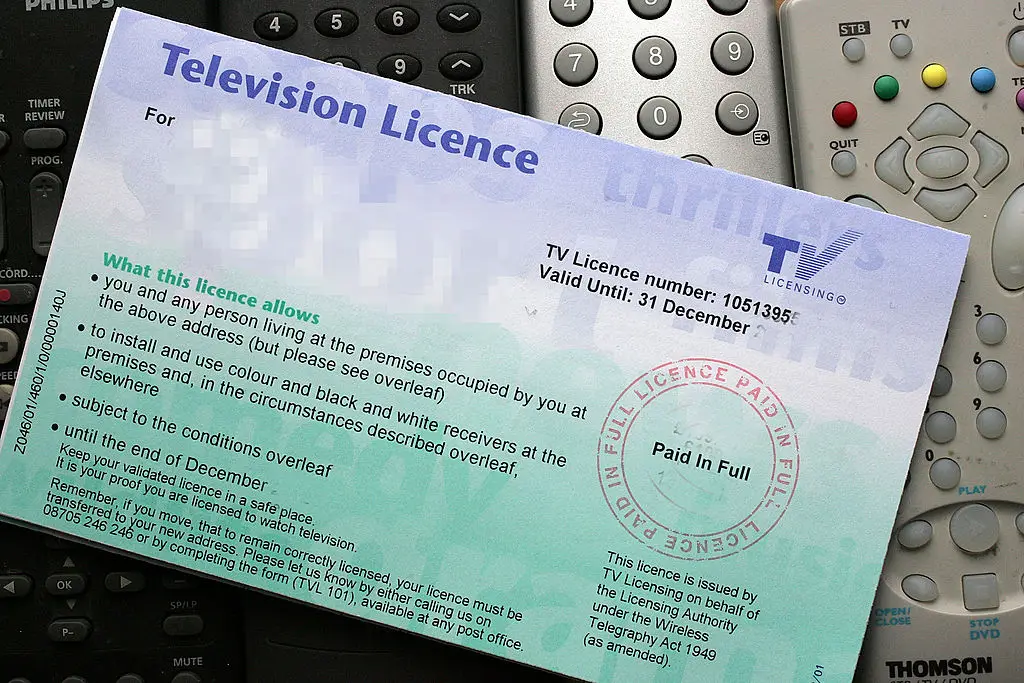
TV licence rules have already been extended to include BBC's catch-up platforms and live TV through paid services like Sky, but a new leak has pointed towards a major revision that would see far more fall under the licence fee's remit.
What are the new leaked TV licence rules?
As reported by the Independent, the new proposed rules would see the TV licence expanded to include a number of the biggest streaming platforms like Netflix, Amazon Prime Video, Disney+, and YouTube — all of which are currently exempt outside of live broadcast content like sports.
Advert
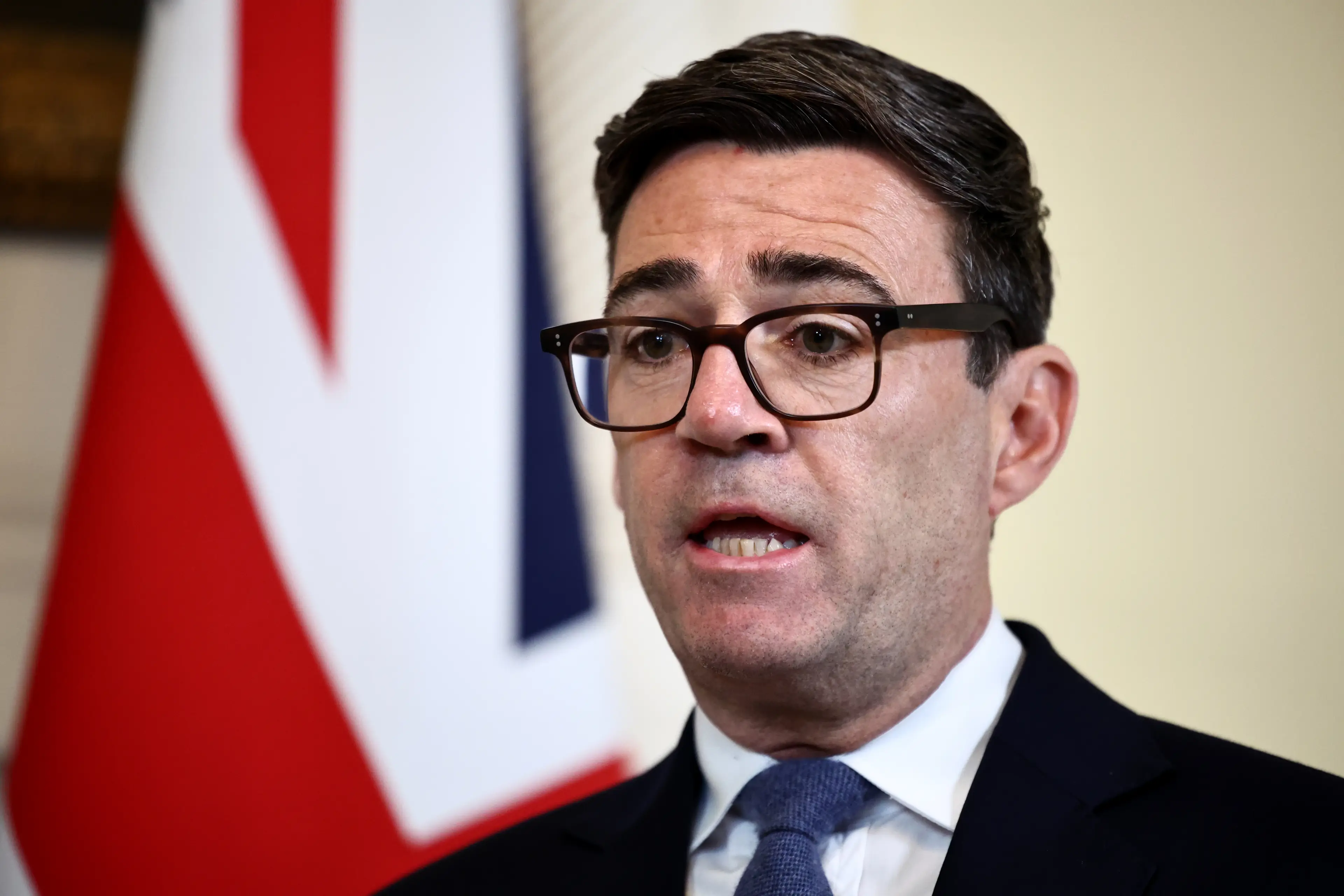
The motivation behind the change is to cover what the government describes to be a 'loophole' in the watching habits of the nation, as people are opting for these services to 'avoid paying' the licence fee while still watching TV.
One source revealed when speaking to the Independent that "it's not fair that people are essentially able to watch television content but avoid the licence fee," although many have been left wondering what the point of the fee is as its remit extends far beyond the BBC.
In the eyes of the government, however, the extra money brought in by the expansion will be spent on the revival of local journalism alongside efforts to tackle misinformation.
What would fall under the new rules?
While the changes are merely prospective right now with nothing set in stone, it is likely that it would cover all of the aforementioned biggest streaming services, alongside some major video-based social media platforms where TV and BBC content can be viewed.
Matt Brittin, BBC's director-general, suggested in a recent interview on Sunday With Laura Kuenssberg that BBC content should be expanded to Netflix, YouTube, TikTok, Spotify, and Instagram, implying that these platforms could be impacted by the new TV licence rules.
Social media is certainly a more complicated area for the government to tackle – although you could argue that they have the tools necessary to identify licence dodgers with the new age verification and identification implementations – but it is safe to say that streaming services would almost definitely fall within the change if it does go through in the near future.
Experts estimate that an additional 3 to 4 million households in the UK would have to pay the licence fee if this change was implemented – although likely not all would continue their watching habits in the wake of a massive yearly fee – but this alone would bring in an extra £540 million ($718,897,690) to £720 million ($958,530,253) if everyone paid.