
6G could come with dystopian features that can see through walls and measure heartbeats


The next generation of mobile network technology, 6G, is expected to be launched for commercial release in 2030, with trials starting in the next couple of years.
And rumors are swirling that the network could come with some dystopian features that can see through walls and even measure heartbeats.
According to some reports, the future network could see through walls using Integrated Sensing and Communication (ISAC), which has the ability to turn wireless signals into high-resolution radar.
This isn’t an entirely new tech as current WiFi systems are already able to map out human bodies and sense movement through walls using AI, but 6G could make it even more powerful.
Advert

It seems artificial intelligence will become even more integral with the technology as telecommunications firm Ericsson explains: “6G is the next generation of mobile technology, designed to create new opportunities and meet the demands of the coming decade. As AI, cloud, and mobile evolve together, 6G will provide an intelligent fabric: an open, secure, and interoperable infrastructure. This fabric will enable distributed, autonomous AI agents to collaborate at machine timescales with predictable, verifiable performance, while also supporting AI- and AR-driven experiences and communication at scale.
“Key priorities for 6G include a step-change in connectivity performance, improved energy and cost efficiency, and greater value creation through programmability – so the 6G intelligent fabric becomes a platform for innovation across a thriving ecosystem. Continuity is important, meaning to enable smooth migration paths that help communication service providers introduce 6G while leveraging the value and capabilities of today’s networks.”
So, what about measuring heartbeats? It might sound like science fiction but this could become reality using high-frequency radio waves and radar-like sensing tech.
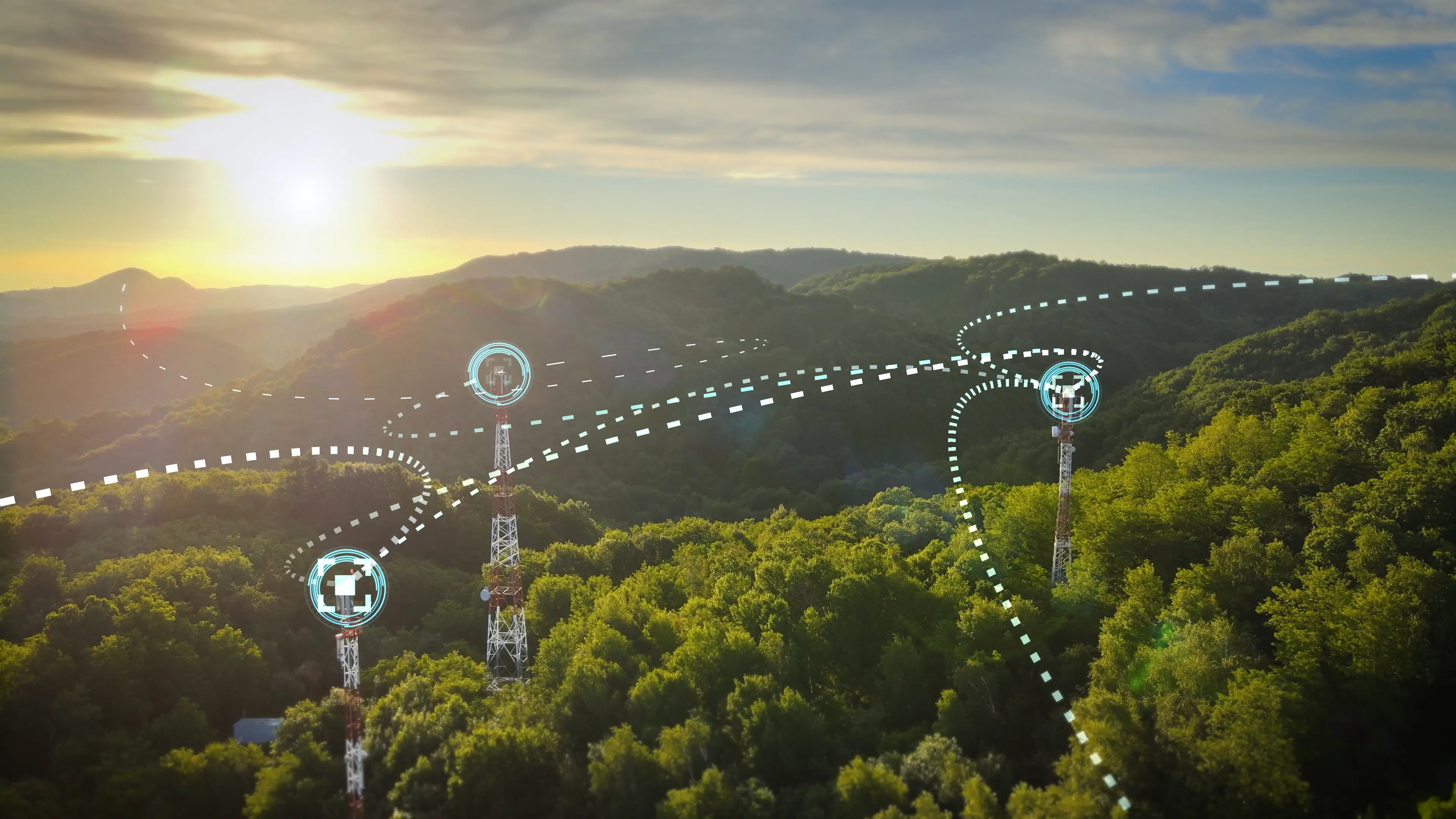
Ericsson continues: “ISAC uses network infrastructure to detect and track objects or gather environmental information by analyzing radio frequency signal reflections. The fundamental idea of ISAC is to extend the role of mobile communication networks, turning them into sensors that can locate objects in space, even objects that are not connected.”
However, this has raised alarm bells surrounding privacy concerns, with the German federal and state data protection authorities having already called for more privacy protections to be put in place before 6G is released.
Research for the new mobile network first began back in 2022, with preparations now well underway.
Trials for 6G are set to start in 2028 ahead of its expected commercial by the end of the decade.