Last time America approved 'permanent' daylight savings time it was a complete disaster


Many Americans continue to wonder why Daylight Saving Time hasn't been adopted nationwide on a permanent basis, yet an experiment testing that very same thing back in 1974 is potential proof as to why the government continues to neglect these requests, as it failed spectacularly.
This is an especially prescient conversation following the decision from the House of Representatives to make DST permanent with an overwhelming vote of 308-117 in favor of the motion, with the decision now placed on the shoulders of Senate politicians.
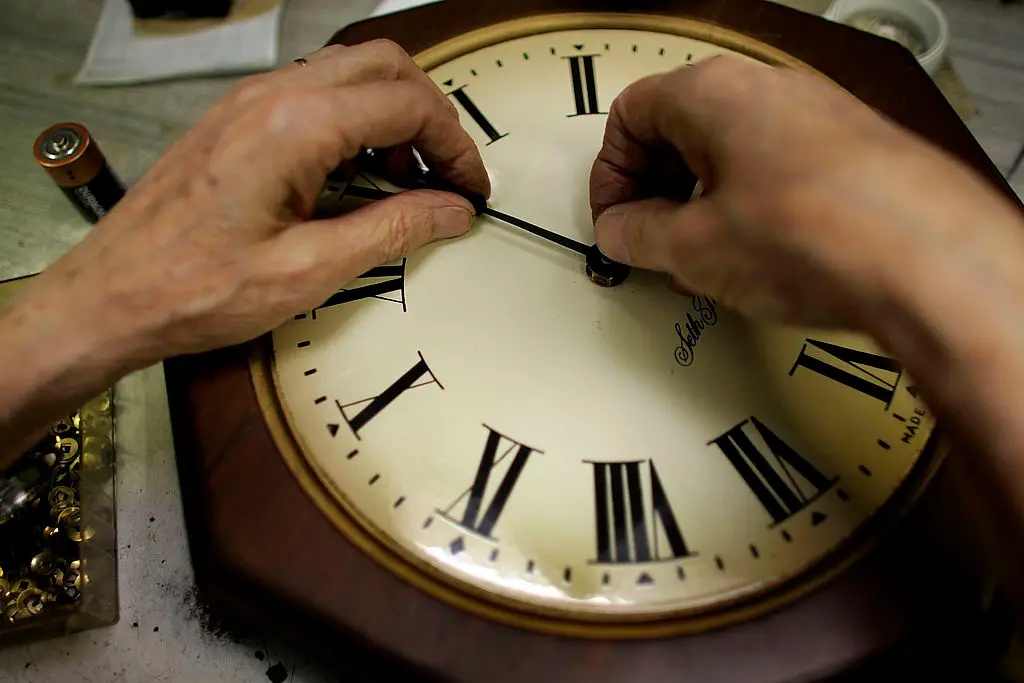
Daylight Saving Time refers to the shift in time during the summer months where people advance their clocks by an hour in order to push back the time at which darkness occurs.
Most people love it as it makes the days longer, letting you experience the sunshine and enjoy the summer period with little impact on the mornings themselves, causing people to wonder why it's not like that all year round – especially shifting time twice a year is somewhat inconvenient.
Advert
The Emergency Daylight Saving Time Energy Conversation Act might just serve as the best argument against that, however, as the U.S. government already trialed these ideas over half a century ago following demand from the nation, and it didn't go as well as many expected.
What was the Emergency Daylight Saving Time Energy Conversation Act?
Enacted into law by the Nixon administration back in December 1973, the Emergency Daylight Saving Time Energy Conversation Act served as a trial period where Daylight Saving Time was preserved all year round.
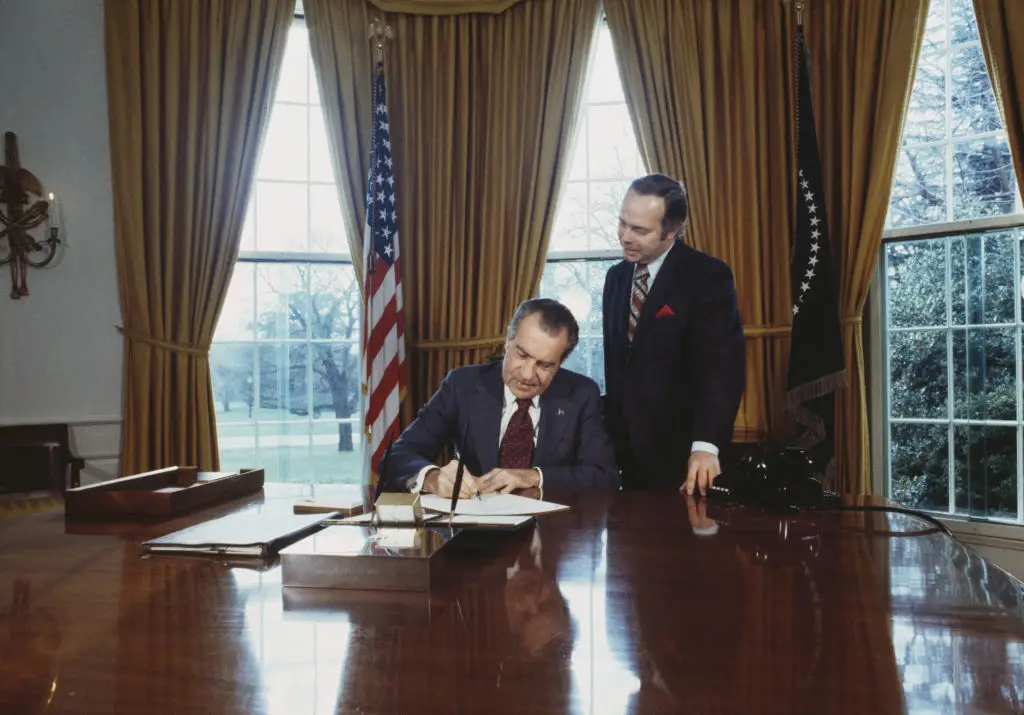
Besides significant public approval and calls for this change to be made, the primary motivating factor by the government was an attempt to save energy, as the United States was suffering from the oil crisis that occurred in that same year.
The trial period itself began on January 6 – just under five months before DST usually started back then – and was supposed to continue for the next twelve months — yet it was cut short in late October and suffered significant publish backlash just two months into the act's existence.
Why did it fail?
The arrival of the dark winter months was the biggest reason why the decision to make Daylight Saving Time permanent quickly failed, as it not only made people miserable across the nation but actually contributed to numerous tragic deaths.
Eight school children in Florida, for example, were killed with their deaths linked to the lack of available light in the mornings, as certain areas of the country didn't experience sunrise until around 8:30 a.m., making morning commutes notably more dangerous.
The energy savings were also too small to really make a difference in the grand scheme of things, making the primary motivating factor effectively worthless and leaving the trial with little reason to continue.
Whether things are different enough 50 years on to justify giving it a go again remains to be seen, yet many are rightfully concerned about how the decision to extend DST has been made in the summer when it benefits people's lives the most, and not during the cold dark winters where it'll actually see an impact.