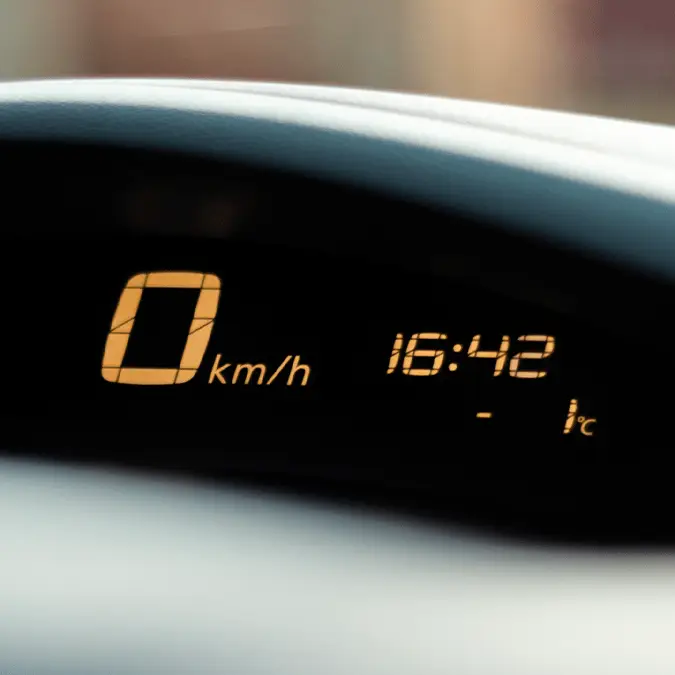
Little-known reason why your phone updates as clocks go forward but your car doesn't


That time of year is here again. The clocks go forward as a reminder that sunshine and warm evenings are just around the corner.
After months of dark mornings, cold nights and that feeling of winter dragging on forever, British Summer Time feels like the reset we all need.
And with tech as advanced as it is, iPhones, laptops and iPads all take care of Daylight Saving Time (DST) silently in the background, updating themselves overnight so we don't have to worry about sleeping in in the morning.
However, have you ever wondered why cars can't pull off the same trick our gadgets do?
Advert
Well, your phone handles the change automatically because it's constantly connected to the outside world. Using something called NITZ, our smartphones pull the correct time from mobile networks and the internet, both of which already account for daylight saving time changes.
Our phones also use the IANA time zone database, which contains specific rules for every region on Earth. This includes instructions like 'UK clocks go forward on the last Sunday in March at 1am,' ChaGPT reported.
That database gets updated regularly through routine software updates, so your phone always knows exactly what to do and when.
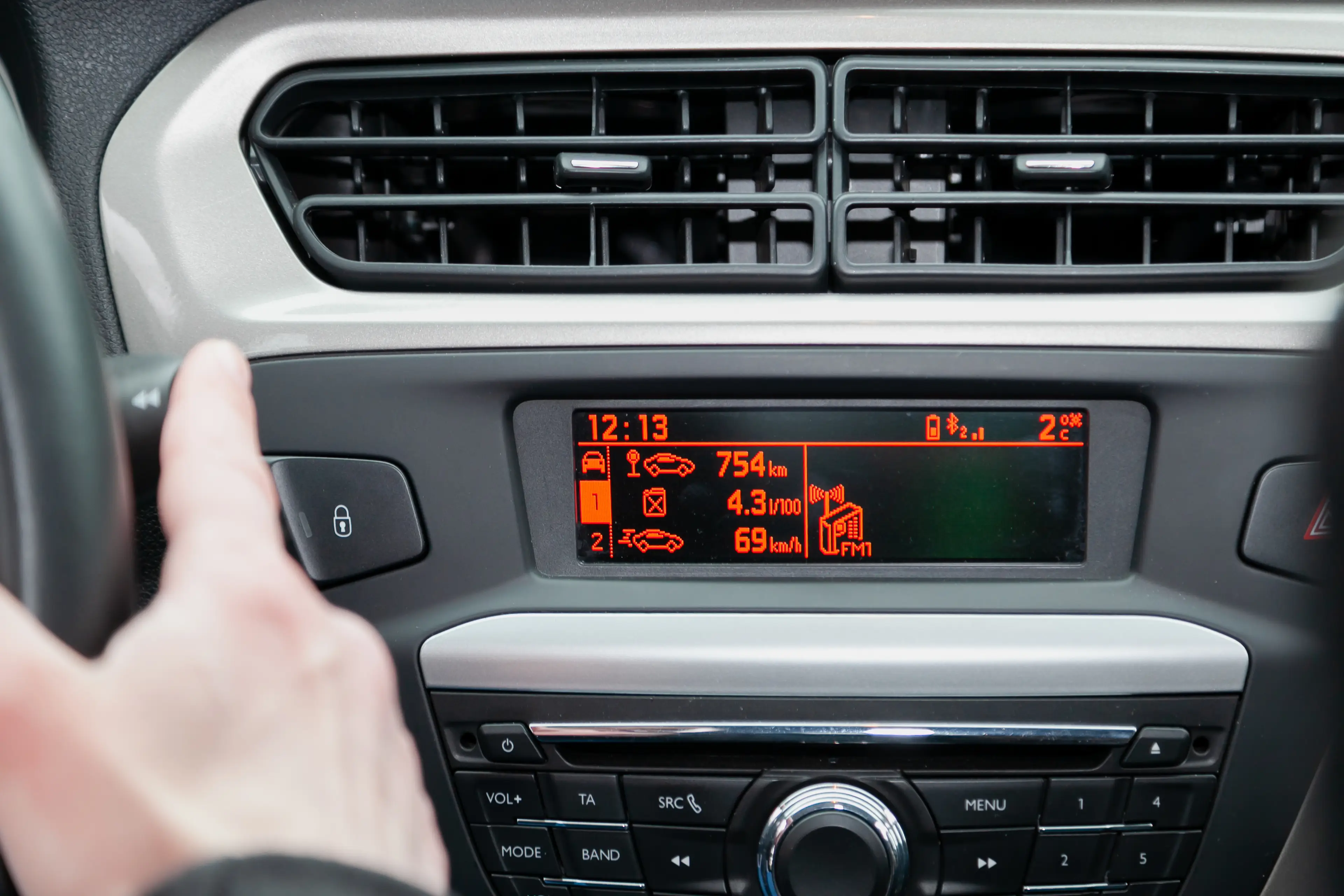
However, cars simply don't have the same level of connectivity. Without a live internet or mobile network connection, car systems have no way of knowing that the clocks have changed.
The good news is that things are changing. Newer, more connected models like Tesla are starting to behave much more like smartphones. These smart cars are able to sync time via GPS and internet, receive over-the-air software updates, and draw from the same timezone databases your phone uses.
The gap is closing, but for anyone driving something a little older, the manual fiddle is still very much part of the routine, the OpenAI chatbot predicted.
When do the clocks go forward in the UK?
In the UK, clocks go forward by one hour at 1am on Sunday, 29 March 2026, marking the start of British Summer Time (BST).
Do we lose an hour when the clocks go forward in the UK?
Sadly, yes. Moving the clocks forward means we will lose an extra hour in bed. The payoff, however, comes later as the evenings become brighter as we head into summer.
When do clocks change elsewhere in the world?
Most countries in the Northern Hemisphere, including across the EU, the UK and the US, make their DST changes in March and October. Whereas, Southern Hemisphere countries like Australia and New Zealand shift in September/October and again in March/April.
Within Europe, the change happens on the last Sunday of March and October at 01:00 UTC, while the United States switches on the second Sunday of March and the first Sunday of November.