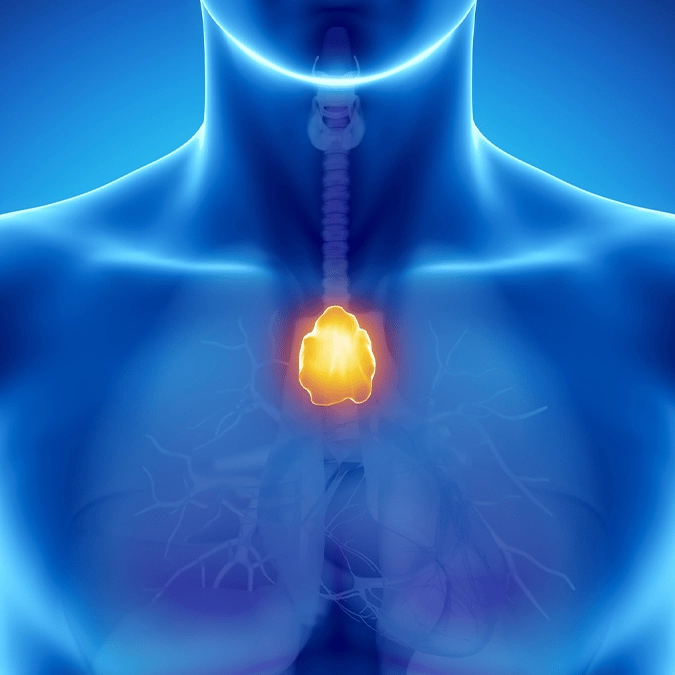
This long-ignored organ could hold the key to predicting lifespan


A small organ long thought to lose most of its importance after childhood could help predict how long adults are likely to live, according to new research.
Scientists have challenged decades of assumptions about the role of one part of the immune system, after finding that its condition in adulthood was actually more strongly linked with your general health as you age — alongside risk of illnesses like cardiovascular disease or even cancer.
What’s unique about this particular organ is that it gradually shrinks with age and is often replaced by fatty tissue, which is part of the reason why many researchers were led to believe that it had largely completed its main job by the time people reached adulthood.
However, a major study published in Nature has now suggested that the adult thymus may still play a significant role in long-term health.
Advert
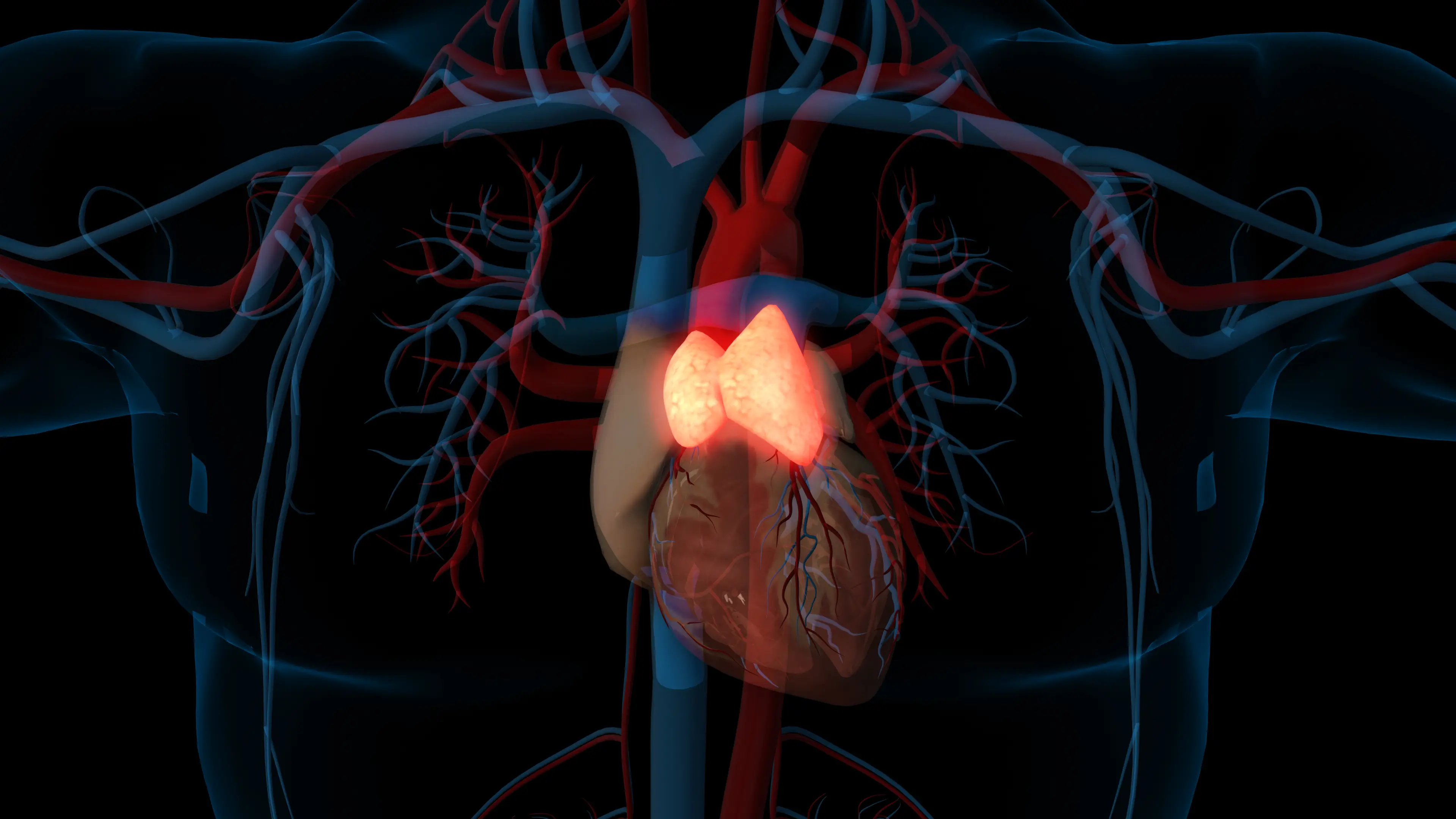
The thymus is located behind the breastbone and is responsible for helping develop T cells, which are crucial to the body’s immune response.
Researchers used artificial intelligence to analyse CT scans and assess what they described as thymic health across 27,612 adults.
As first reported by Knowridge, the data came from two major cohorts: the National Lung Screening Trial, which included 25,031 participants, and the Framingham Heart Study, which included 2,581 participants.
The AI system was designed to quantify the condition of the thymus from routine radiographic images, giving researchers a way to compare the organ’s appearance with health outcomes over time.
According to the study, adults with higher thymic health had better survival rates than those with lower thymic health.
In the National Lung Screening Trial, especially, people with high thymic health had an estimated 13.4 percent mortality rate at 12 years, compared with 25.5 percent among those with low thymic health. The same pattern was also seen in lung cancer screenings.

What’s more, participants with high thymic health had a 3.4 percent estimated lung cancer incidence at six years, compared with 5.3 percent in the low thymic health group.
Cardiovascular mortality also appeared lower among those with healthier thymuses, with the study reporting 2.9 percent cardiovascular-specific mortality at 12 years in the high thymic health group compared with 7.5 percent in the low group.
In layman’s terms, the study ultimately hints that a healthier thymus could mean better, longer-lasting health in general — which is especially notable, since the thymus has traditionally received far less attention in adult medicine than well-known organs such as the heart, lungs, or liver.
That’s more so the fact when noting that researchers also found that thymic health was linked to factors including smoking, obesity, physical activity, inflammation, and metabolic health.
The key ‘implication’ from the study to know, on the other hand, is that the study notes these findings are merely ‘observational’ — meaning this all does not prove that simply improving thymic health directly extends lifespan or prevents disease, at least not yet.