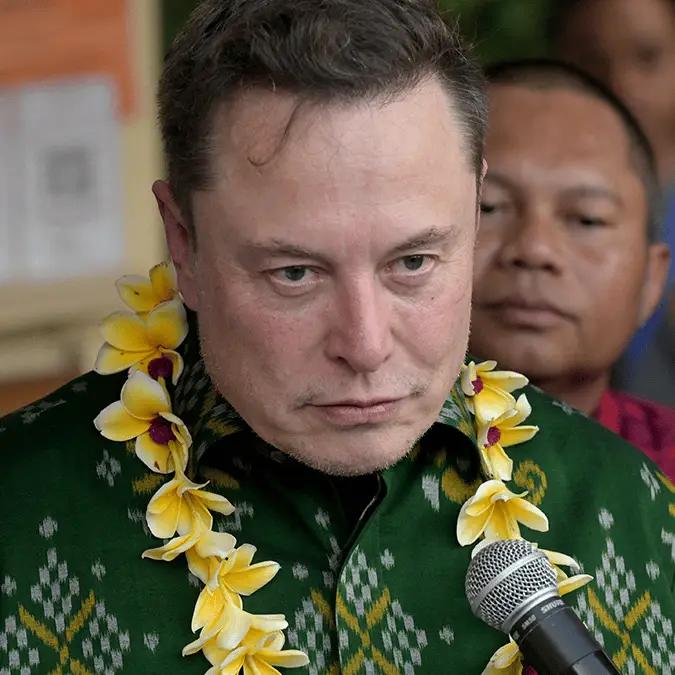
Google Pixel fans are completely roasting Elon Musk's rumored Starlink phone


Google Pixel fans are roasting Elon Musk's rumoured Starlink phone for a feature that Android users have had for years.
SpaceX has been on quite a streak the past couple of weeks. Days after completing the biggest public listing in history on the Nasdaq, its share price surged by more than 50%, pushing the company's value to around $2.78 trillion and overtaking Amazon, Meta, and Tesla. As a result, its CEO Elon Musk became the world's first trillionaire and the space company's ambitions continue to grow.
SpaceX officially relaunched its phone-to-satellite service under the name Starlink Mobile, after filing to trademark it last year.
The Starlink Mobile Expansion Blueprint
Previously known as Direct to Cell, the service allows unmodified smartphones to connect to orbiting satellites rather than ground-based cell towers, offering connectivity to users in remote areas and cellular dead zones.
The first-generation system already spans 650 satellites and has connected more than 16 million users to date, but the company hopes to push this to 'hundreds of millions' of devices.
Advert
“We expect that number to exceed 25 million by the end of 2026,” Michael Nicolls, SpaceX’s VP for Satellite Engineering posted on X.
He added that the company plans to launch the first batch of second-generation satellites in mid-2027 aboard its Starship vehicle.
"With Starship, we’ll be able to deploy the constellation very quickly," Nicolls explained. "Our goal is to deploy a constellation capable of providing global and continuous coverage within six months. And that’s roughly 1,200 satellites.”
The Pizza Debate: Speculative Tech vs. Reality
Ross Gerber, CEO of Gerber Kawasaki, also took to X to reveal what he sees as a massive opportunity for SpaceX.
"Starlink has the opportunity to make a truly great AI phone to compete with Apple. Satellite connected with a super power battery. AI based OS. Tell the phone what you want it to do and it does it for you. That’s coming. Who will make a real AI phone first…," he shared.
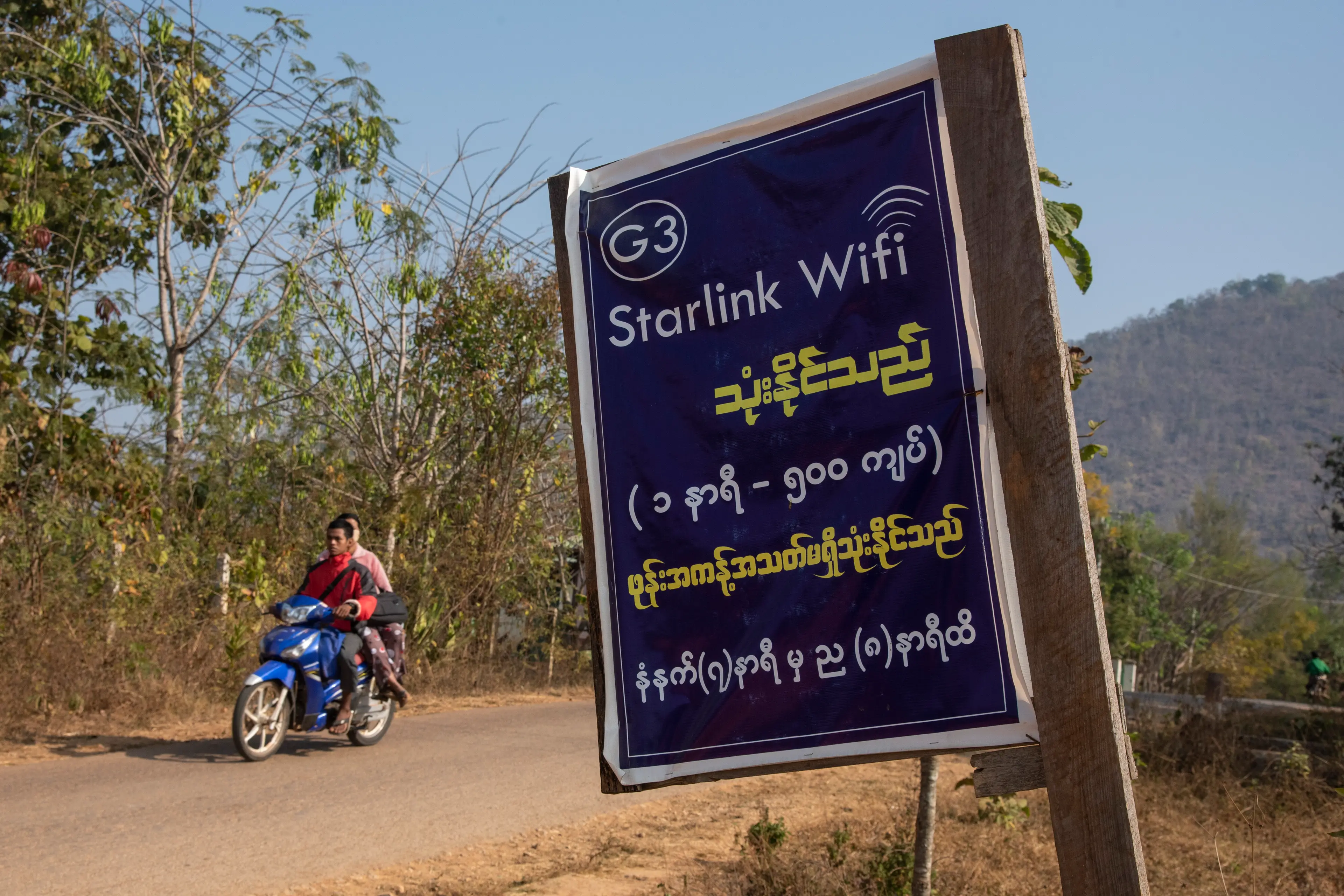
However, Google Pixel users were quick to point out that what Gerber is describing already exists.
Founder of Sterio.Media Eric Nashbar jumped in to note that Google already offers both AI via Gemini and satellite connectivity as monthly add-ons on newer Pixel devices.
When Gerber pushed back, questioning whether the phone could genuinely handle a task like ordering a pizza from a specific place at a specific time, Nashbar replied: "Actually, it can! On newer Pixel phones (like the Pixel 10 series in the U.S.), Gemini uses screen automation to handle most of the process.
"If you tell Gemini what you want, it will open an app like DoorDash or Grubhub, find the pizza, and add it to your cart. For security, it stops at the final checkout screen so you can review the order and manually authorize the payment."
Others in the thread were more sceptical about the idea of a Starlink phone altogether. "Nobody is going to buy that," one user wrote while another commented: "I don’t see it - Apple OS is way too dominant".
Someone else argued: "It might actually be the lowest latency option to run LLMs on phones. Don’t think you need a dedicated phone for this though, just sell it to iPhone users."