
FBI warns AI scams are becoming more dangerous after Americans lost almost $900 million


The FBI has issued a PSA that AI scams are becoming more dangerous after a report revealed Americans have lost almost $900 million to the scams.
The use of AI for creative, productive, and even life-saving purposes has dominated public conversation about the technology. But there is a darker side of the tech that people are using to trick victims into handing over their money.
While some have experienced scams that impersonate loved ones to demand money, others have lost life savings after criminals posed as Hollywood stars.
According to the FBI's 2025 Internet Crime Report, Americans reported losses of $893,346,472 to AI-related scams across 22,364 complaints.
Advert
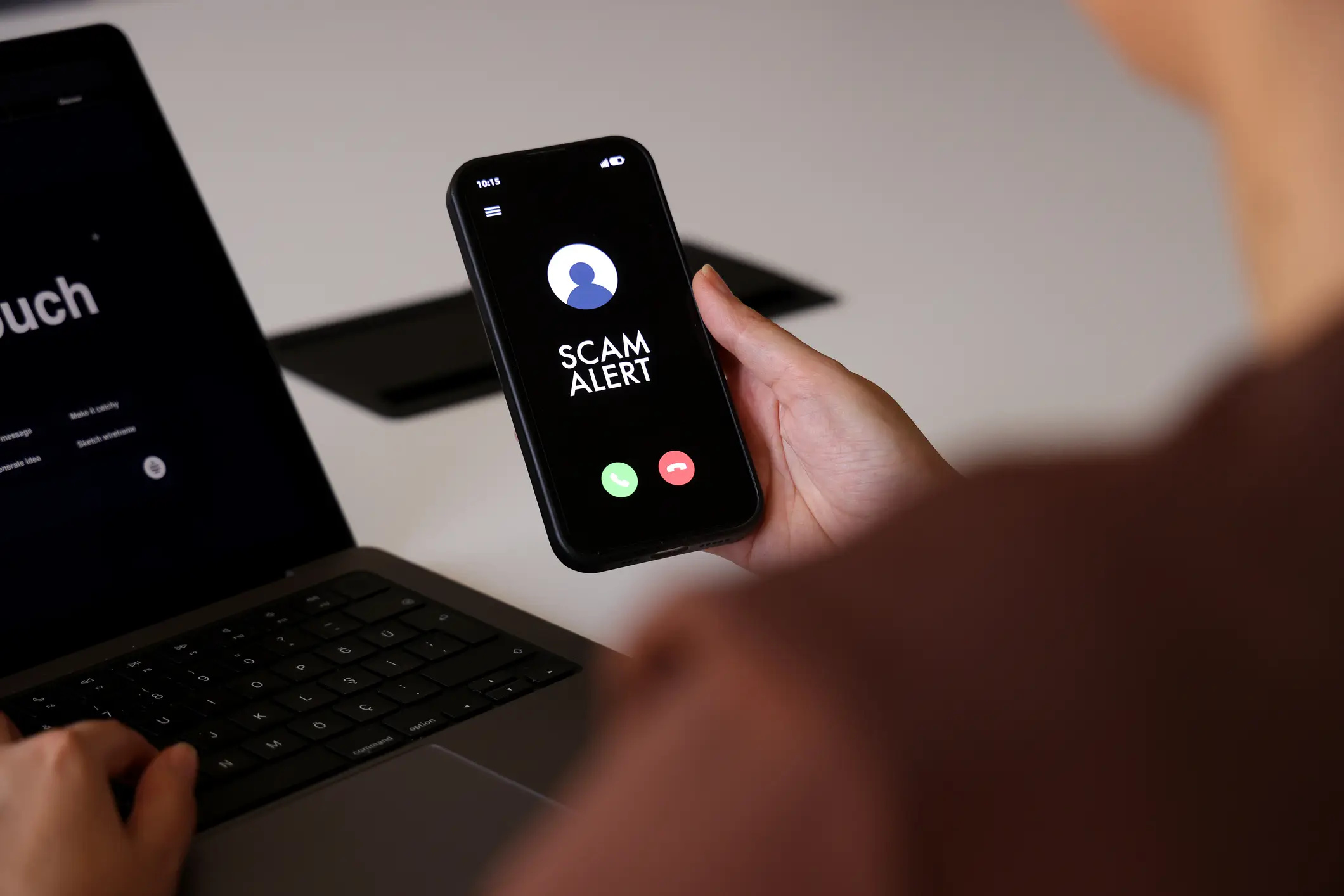
However, as alarming as the figures are, they represent only a fraction of the true total due to many unreported cases. VectraAI claims that losses could reach an eye-watering $40 billion by 2027.
AI is being used in voice cloning, deepfake imagery and video, and AI-generated scripts to supercharge fraud schemes, MalwareBytes reported.
Specifically, romance scams, fake kidnapping calls, extortion, influencer impersonation, and government fraud have all been transformed by AI into far more convincing and scalable operations.
Speaking to the Wall Street Journal, Michael Machtinger, deputy assistant director of the FBI Cyber Division, said: “AI-created fraudulent communications can look very official and very legitimate to even the most trained individuals.”
One of the biggest concerns is government impersonation scams where scripted IRS gift-card phone calls have become a sophisticated, multi-channel operation, with spoofed caller ID, stolen agency logos, and AI-generated audio or video of recognisable public officials.
Meanwhile, business email compromise (BEC) cases, in which AI is used to craft professional emails impersonating colleagues, executives, or trusted partners, have resulted in losses of tens of millions of dollars.

In response, consumer protection agencies are warning that we can no longer assume the person we are speaking to is who they claim to be.
"One click and you can lose your life savings," said Ruth Ray, managing director of economic crime at UK Finance, as shared by the BBC. "The financial sector invests huge amounts in protecting customers, but we cannot be the only line of defence."
One piece of advice the FBI recommends is treating any urgent payment demand with immediate scepticism. This is especially true when it involves cryptocurrency or gift cards, which scammers prefer because they are difficult to trace or recover.
The federal organisation also advises limiting the amount of voice and video content you share on social media, as they can be harvested and used to create cloned versions of your voice or likeness. And if you do fall victim, reporting the incident quickly to your bank and to the FBI's Internet Crime Complaint Center gives you the best chance of limiting the fallout.