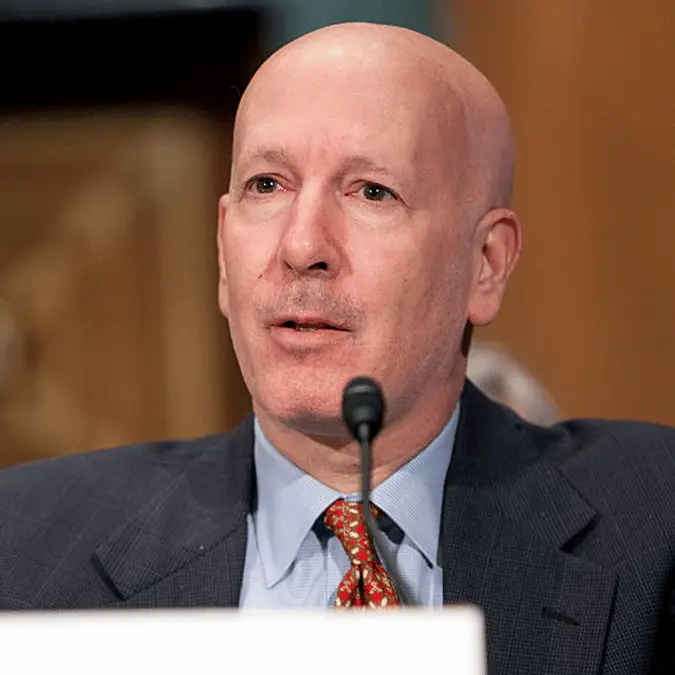
Economist who predicted 2008 crash warns something much worse could be coming


One economist who successfully predicted the 2008 financial crash a year before it happened has returned with another potentially frightening warning, pointing towards a key trend that could signify that something worse is on the horizon.
There are still some people as optimistic as Elon Musk, who last week estimated that the global economy will increase by over ten times in the next decade, yet the vast majority of economists have forecast a dark cloud over the world of money.
Much of this over the past year has been to do with the over-reliance on artificial intelligence investment, which could potentially plateau or even crash depending on the returns that the biggest companies are able to achieve for all their spending.
However, recent geopolitical trends could have an even greater – and far more immediate – impact on the economy, causing one key financial figure to make a worrying prediction.
Advert
Richard Bookstaber was one of the prescient figures that foresaw the 2008 financial crash before it happened, highlighting the dangers in his 2007 book 'A Demon Of Our Own Design'.
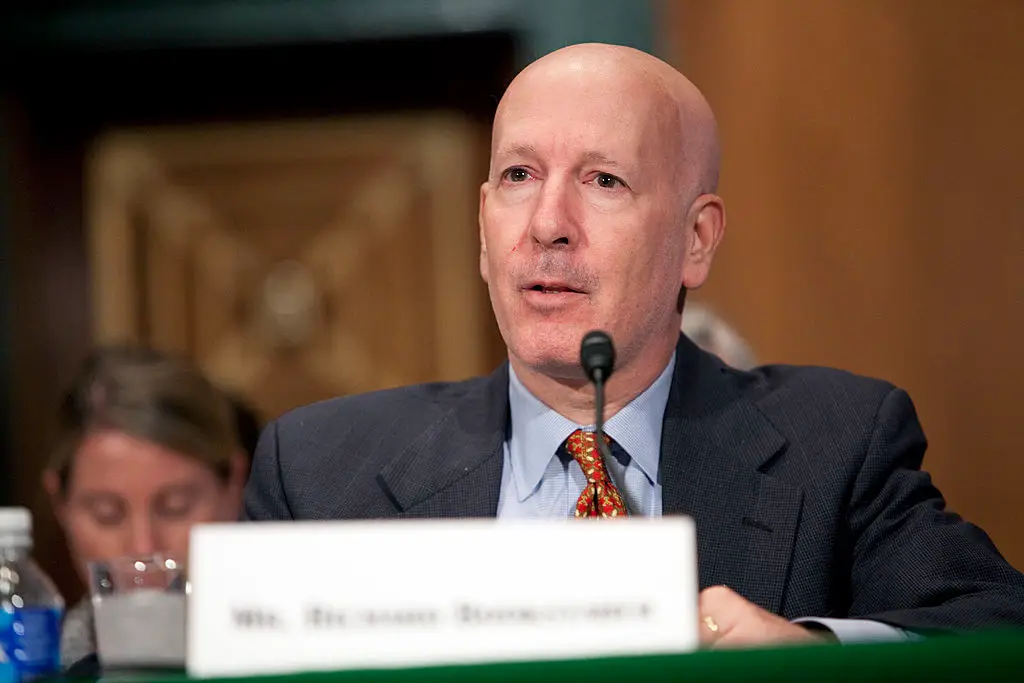
Now, nearly two decades later, Bookstaber has returned with further worrying analysis of the current financial plain, detailing that ongoing geopolitical tensions could lead to economic collapse.
Writing in the New York Times, Bookstaber outlined: "We have returned to a period of risk, one rife with the sort of pressures that have led to major financial crises.
"This time, the risks are spread across industries, markets, and nations: artificial intelligence, the roughly $2 trillion private credit industry, stock markets, Taiwan, and now Iran."
While each of these issues are enough to cause chaos on their own, combined they suggest that another financial crash is inevitable and the ongoing war in Iran is seemingly at the heart of it all.
Much of this centers on the economic pressure that Iran is currently exerting by closing the Strait of Hormuz, which provides a route for roughly one fifth of the world's total oil.
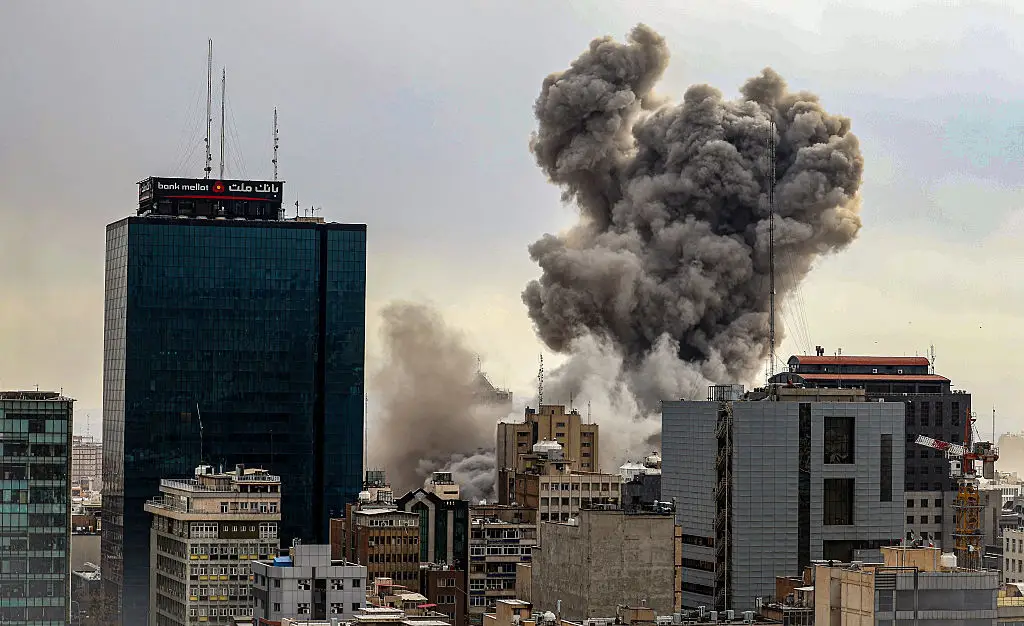
This puts a significant energy strain on most countries across the world, raising prices not just for individuals – which could alone lead to a catastrophic cost of living crisis – but for companies in energy-heavy industries, with AI at the forefront.
"An energy shock from the conflict that raises the cost of power of constrains its supply directly affects data centers and AI production," Bookstaber illustrates.
This could accelerate an AI-related financial crash alongside the significant pressures of oil shortages, leading to a maelstrom of issues that would be near impossible for the world's leading powers to deal with.
"Our current financial system fails not because any one thing goes wrong," the economist explained. "It fails because different shocks propagate through the same structure and in ways that are hard to anticipate. When something eventually goes wrong, it spreads faster than it can be contained."