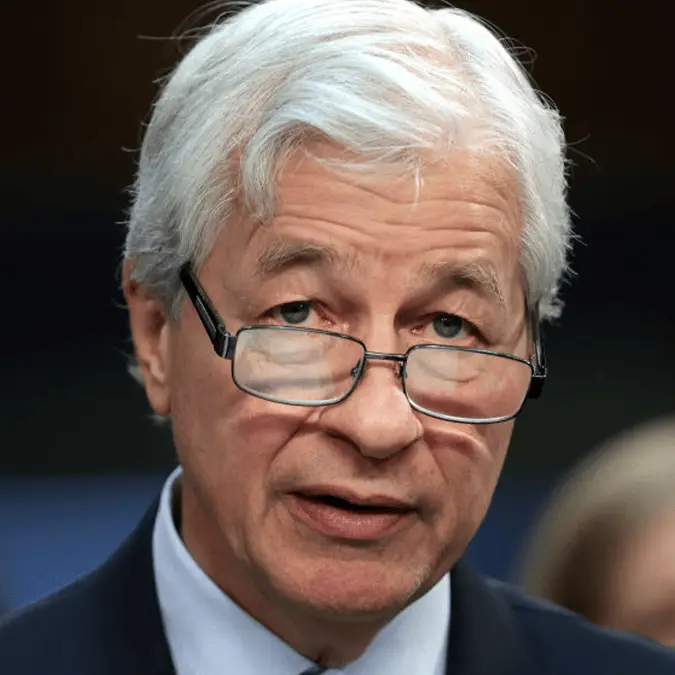
JP Morgan CEO warns financial crisis 'worse than 2008' is coming as he admits 'my anxiety is high'


There are few things that have had as much of an impact on the economy in the past few decades as the introduction of AI, yet experts and leading financial figures warn that its dominance could lead to a frightening financial crisis greater than what occurred in 2008.
Those within the artificial intelligence industry have repeatedly preached about the benefits that an AI dominated world will bring, pointing towards a utopian image of a jobless society where everyone is sustained with 'universal high income' schemes.
What will likely happen in reality is far more frightening though as some experts have asserted in alarming projections, and this could have a significant impact on an economy that's increasingly reliant on AI.
Certain economists are currently riding the wave of a growing economy, thanks in part to the Trump administration's tax and deregulatory policies, yet one key individual remains on the side of caution as current trends appear to be making him feel 'anxious'.
Advert
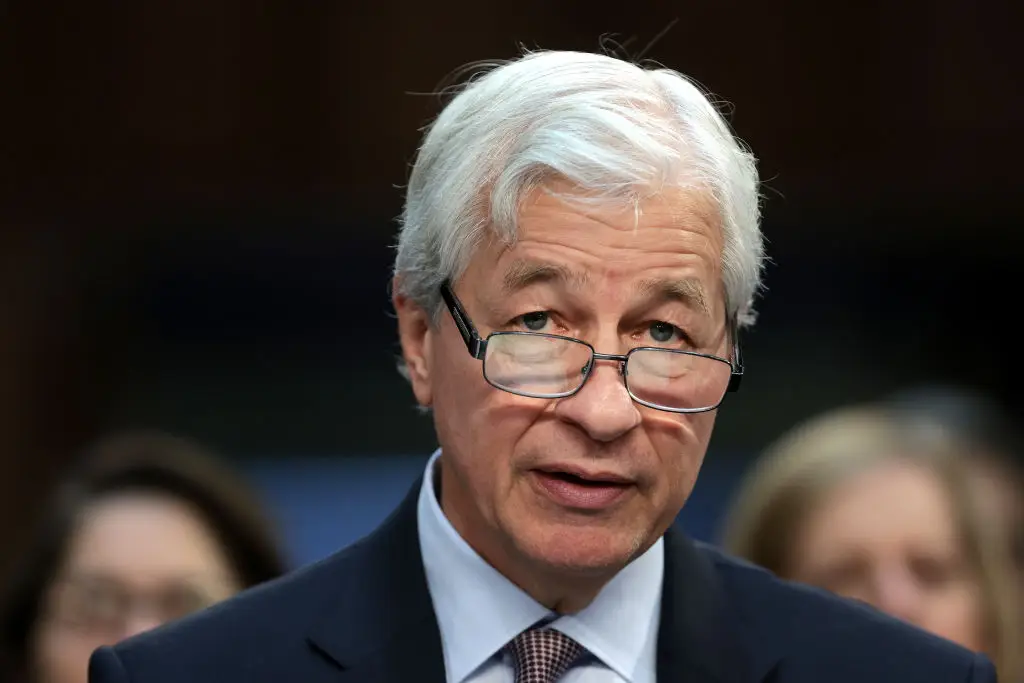
As reported by CNBC, JP Morgan CEO Jamie Dimon has expressed his doubts that the economy is quite as good as some are making out, fearing for an impending crash in the near future that will be larger than anything in recent history.
"My own view is people are getting a little comfortable that this is real, these high asset prices and high volumes, that we won't have any problems," Dimon asserted.
"There will be a cycle one day," he added. "I don't know what confluence of events will cause that cycle. My anxiety is high over it. I'm not assuaged by the fact that asset prices are high. In fact, I think that adds to the risk."
Dimon went on to illustrate that "there's always surprise in a credit cycle," noting that "the surprise has often been which industry. You didn't expect utilities and phone companies in '08, '09, and this time around, it might be software, because of AI."
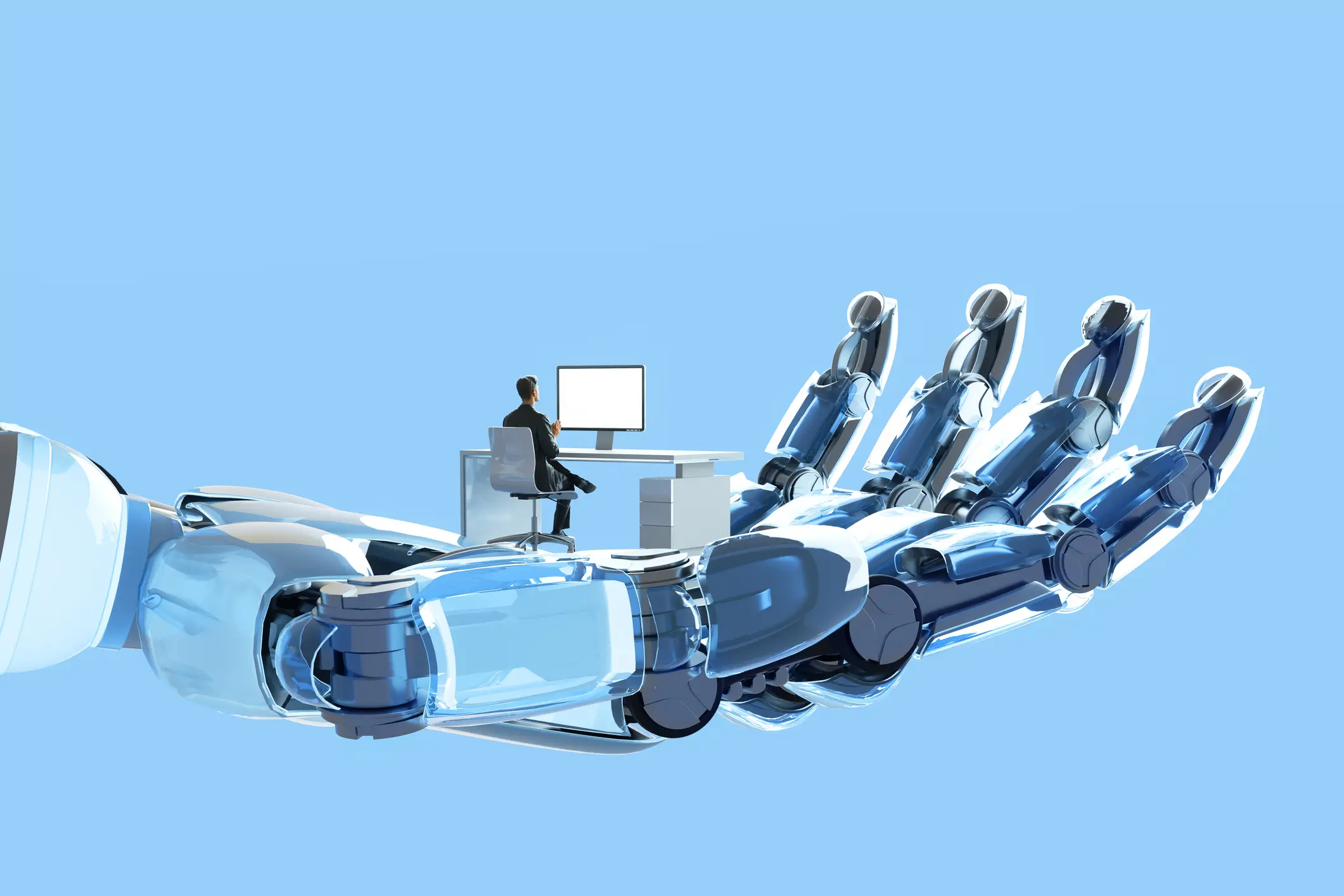
Similar sentiments have been echoed by experts at Citrini Research, as per Forbes, with researchers outlining:
"AI got better and cheaper. Companies laid off workers, then used the savings to buy more AI capability, which let them lay off more workers. Displaced workers spent less. Companies that sell things to consumers sold fewer of them, weakened, and invested more in AI to protect margins."
They branded it a "feedback loop with no natural brake," and it's hard not to see the obvious failings that would occur in an economy solely driven by AI, as the so-called gulf in efficiency loses its value if there's no way to make money from what you're selling.