White House AI rollout exposes deep political divisions in Washington


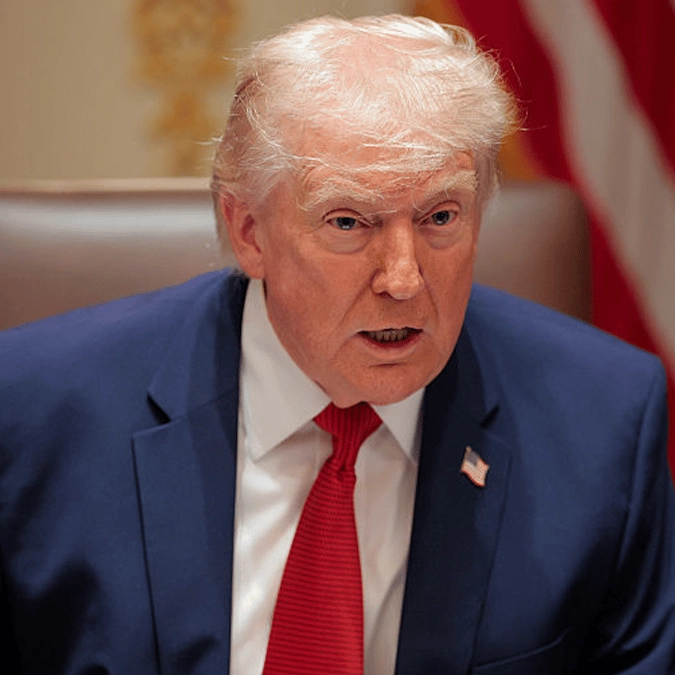
The Trump administration has unveiled key AI legislative framework that would allow Congress to overrule individual states on the emergent technology, and it's caused political divide between and within the nation's leading parties.
While the key part of this law would be to 'preempt' state laws regarding AI that, as the legislation claims, "impose undue burdens," it also tackles a number of other key concerns that many have with the rise of artificial intelligence and how it relates to people on an individual level.
It has called on Congress to tackle the growing concern of AI-generated tools that allow people to replicate or mimic the likeness or voice of individuals, while also affording developers 'regulatory sandboxes' that beget a greater level of experimentation through relaxed rules.
In addition, it would also attempt to codify a pledge from President Donald Trump that puts the burden of paying for increased energy demands on the tech companies themselves, as opposed to the existing system that sees the monetary cost spread out across cities or even states.
Advert
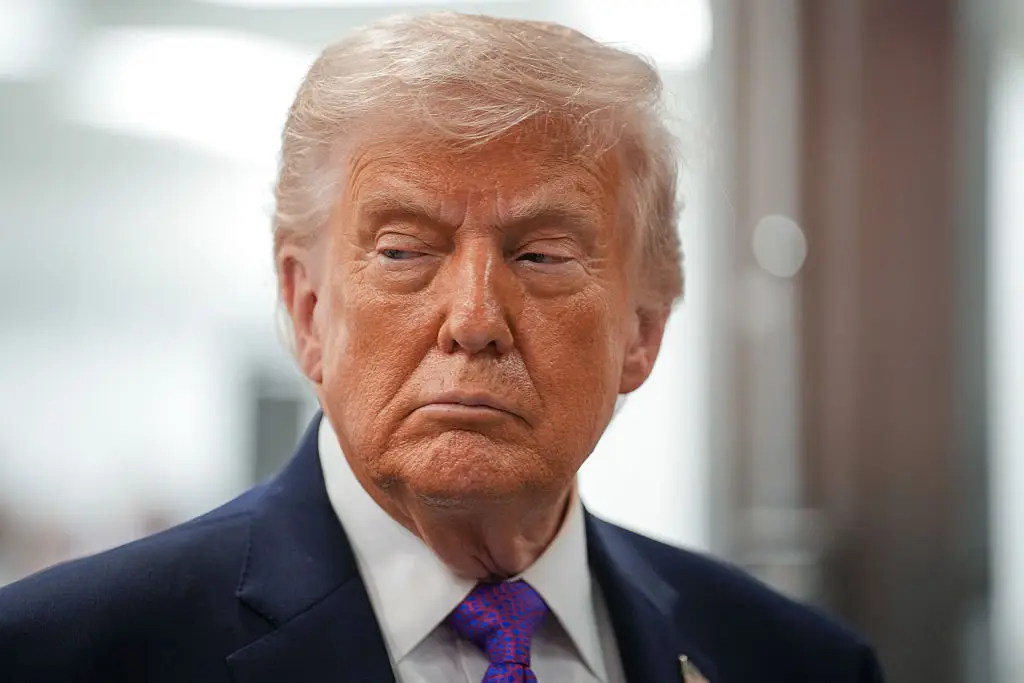
Finally, it outlines the importance of preserving the safety of children in relation to artificial intelligence, asserting that platforms and services "must take measures to protect children, while empowering parents to control their children's digital environment and upbringing."
Many of these requests are widely supported across the nation, but they have caused division in key areas of Washington as both sides of the political spectrum can't seem to agree on everything.
As reported by Axios, Sen. Josh Hawley (R-Mo.) has called the legislation "hugely significant" in its efforts towards child safety, calling specifically on a ban for AI chatbots like ChatGPT for children and called for Congress to 'get on the same page' as juries who just said that "no amount of profit justified destroying a child's life."
His fellow Republican representative Kat Cammack (R-Fla.) wasn't quite as enthusiastic, however, as she noted that the bill isn't "the bombshell that everyone thinks that it is" in relation to child safety.
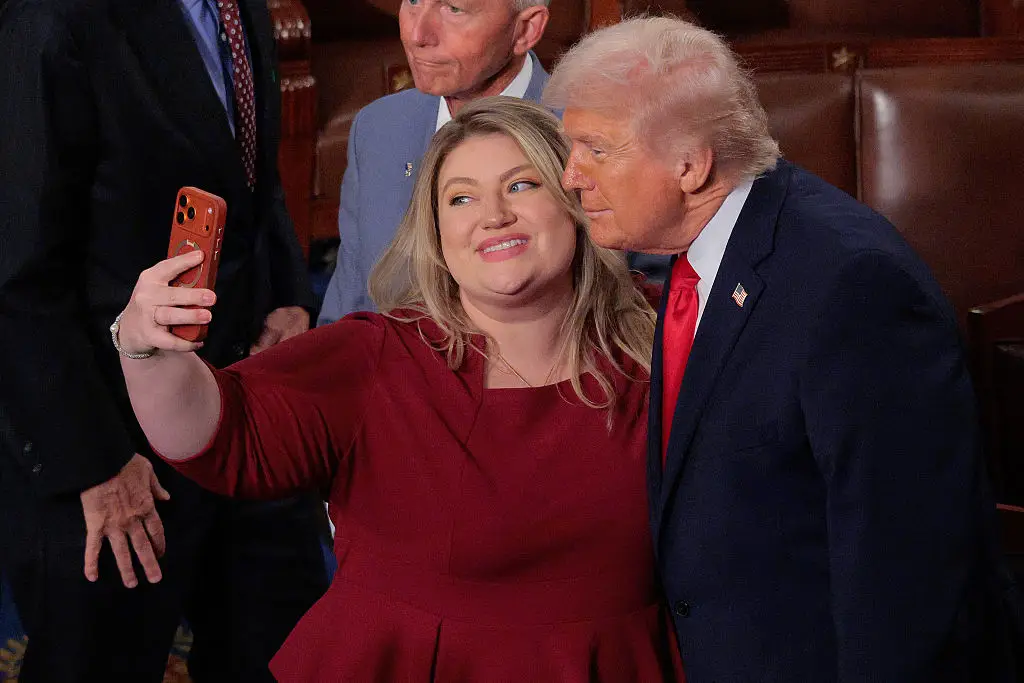
Cammack called it "more of a level-setter" that attempts to establish the differences between the House and Senate when it comes to child safety, suggesting that there's still a long way to go.
There has even been division on the Democrat side, with Sen. Mark Warner (D-Va.) calling a plan to pass a temporary suspension on the construction of AI data centers "idiocy," directly opposing two of the leading figures on his 'side' in Rep. Alexandria Ocasio-Cortez (D-N.Y.) and Sen. Bernie Sanders (I-VT.).
This could suggest that even a major midterm flip wouldn't necessarily 'solve' many of the AI-related issues facing the country, with certain sticking points still causing friction in progress towards major regulation.