How Elon Musk’s $20 billion plan for world’s largest chip manufacturing plant could reshape AI industry


Elon Musk could cement himself as the most important person in the AI industry following plans for a $20 billion chip manufacturing plant, as it would immediately become the largest of its kind worldwide by a significant margin.
Research and development in the world of artificial intelligence has produced results at an incredibly fast rate over the last few years, and many of the industry's leading figures would have you believe that there's no sign of things slowing down.
While concerns from outside the industry surround the effect that AI will have on jobs, the worrying ethical issues that have already cropped up from the advancing technology, and the negative impact on the environment, those within the world of tech are facing a wholly different issue.
Where software and development has a near-endless potential when it comes to scaling up, that is limited by the resources available on the hardware side of things, and shortages are already occurring in some of the most vital forms of computing.
Advert
This has caused consumer prices for RAM and storage to skyrocket, but AI companies are also feeling the brunt of the scarcity as it threatens continued development, yet one man might have just revealed a solution to the issue.
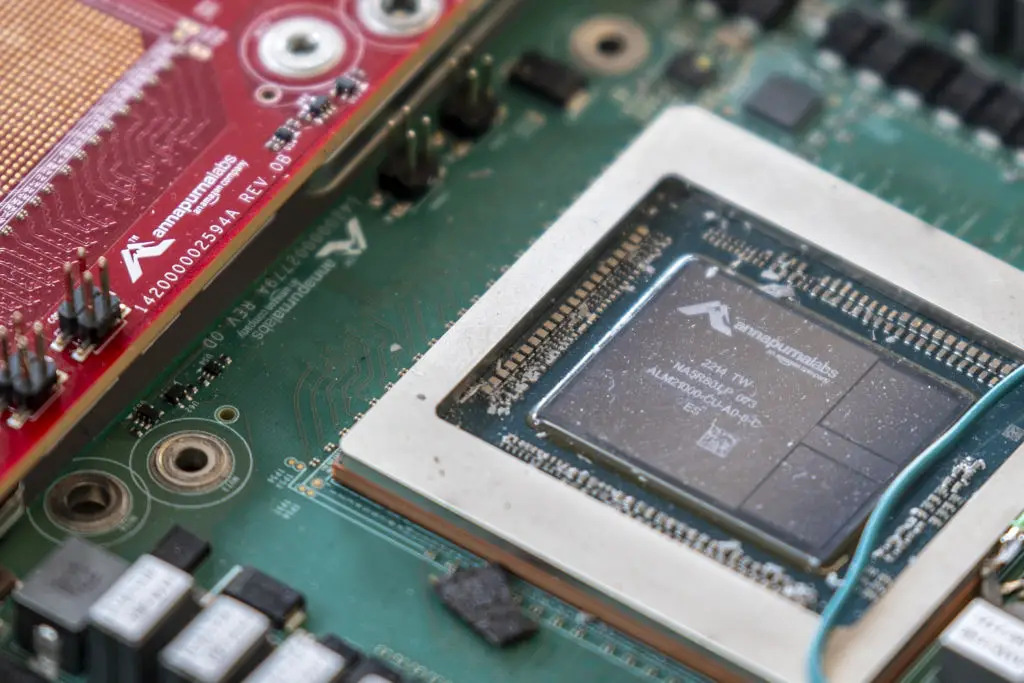
As reported by the Independent, Elon Musk has just announced a new project known as 'TeraFab', comprising a joint collaboration between Tesla and SpaceX that would see the companies construct the world's largest computer chip manufacturing facility.
In total it's expected that the project would cost at least $20 billion – although that's less than 2.5 percent of Musk's total net worth – and it plans to produce roughly 50 times the current annual global output of AI-related compute chips.
Early production, according to Musk, is expected to begin at some point next year, with full mass production targeted for 2028 and this could have a transformative effect on the AI industry if it's all that it seems.
That is very much dependent on the chips it produces though, as there's little benefit to the scale of its production if its not making things that the leading AI companies want to use.
If they were capable enough, however, it would significantly increase the speed and scale at which AI can be trained, improve the rate that new models can be developed, and even make AI cheaper overall which would prompt widespread use.
It could also be the key factor in getting Tesla's vision for widespread autonomous robot and self-driving adoption off the ground, which would in turn make Musk a lot of money as a consequence of his record-breaking pay package.
As with everything revolving around the world's richest man, however, it can only be believed once its actually in place — and many Tesla fans would be surprised if the targeted timeline is achieved going by past projects that are notably less ambitious than this.