
Worrying new data shows if men or women are more at risk of losing their job to AI


If 2025 taught us anything, it's that there was plenty to be worried about.
While the various doomsday prophecies of Baba Vanga and Nostradamus failed to come true (thankfully), there was still plenty to moan about as artificial intelligence continued to take hold and the U.S. government made a series of deals to solidify this ever-advancing tech.
That's only continued in the first few months of 2026, with even bigger concerns about how artificial intelligence will be used, thanks to its reported military involvement with the war in Iran.
We've all heard the rumbles that AI will wipe out the human race in the next couple of years, but before we even get there, there are more immediate fears that it'll take our jobs and leave us without a roof over our heads.
Advert
The so-called Godfather of AI has already predicted that only plumbers will be safe, while Microsoft has issued its own list of the jobs that are most at risk of AI automation. OpenAI investor Vinod Khosla thinks that society will eventually evolve so we don't need to work, and although he sees it as a good thing, there are a lot of steps before we get to Elon Musk's grand plans of society propping itself up with a universal high income.
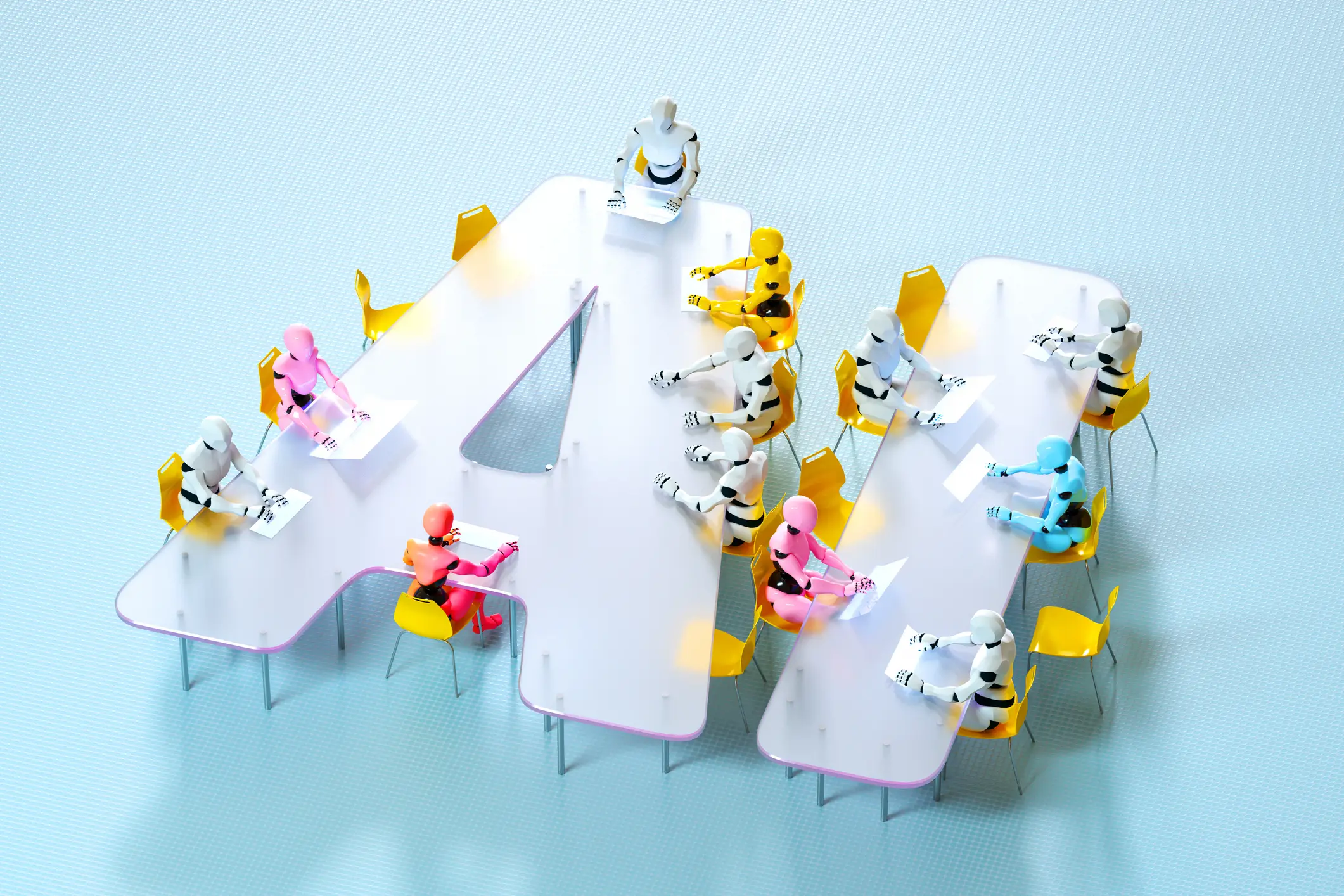
There seems to be a slew of conflicting data about how much AI is affecting job losses and productivity, and whether it's the home-wrecking tech many perceive it as.
Looking at things in a different way, new research from tech policy company GovAI and a Washington Think tank called Brookings Institution (via The Washington Post) reveals whether men or women are more at risk of being replaced.
In terms of good news, it's noted that there's no quantifiable evidence that AI is actually putting Americans out of work, although white-collar workers should brace for a potential shake-up.
Trying to crunch the numbers, GovAI senior researcher Sam Manning and colleague Tomás Aguirre looked at 350 jobs and their AI 'exposure'. Basically, this estimated how many job-related tasks can be done more effectively by AI.
More than just looking into how jobs in areas like computer programming and customer service have a higher overlap with AI, Manning and co. tested how well workers could move into other jobs if AI came for theirs. Unsurprisingly, those with a higher education and more experience were more likely to shift to a new job and could actually benefit from better pay.

As for the battle of the sexes, women make up an alarming 86% of the most vulnerable workers who are poised to be replaced by AI. This suggests that potential negative effects of AI won't be equally shared across society.
This was echoed by Allison Elias, a professor at the University of Virginia business school, stating that past technological advancements mean women in clerical occupations are likely in the firing line.
Looking back, female secretaries and administrative staff have tended to fall foul of advancing tech and been expected to do more work for less pay. Elias warned: "These people are really vulnerable because they won’t have a lot of decisions over how AI is used, and their exit opportunities are going to be pretty low."
There are some positives, as the research claims that most who face job uncertainty due to AI will be able to 'bounce back'.
Before you go sharing this doom and gloom, the Washington Post reminds us that economists and researchers don't have the best track record when it comes to predicting how new tech will affect staff and companies, so take it all with a pinch of salt.