Donald Trump has signed order renaming AI to 'Super Intelligence' - This is what will change


Artificial intelligence has evolved so much over such a short period of time that it's difficult to think of it as the same product, yet Donald Trump's attempt to rename the tech to 'Super Intelligence' has been met with criticism from some, as they fear it could bring catastrophe with it.
Signing a new executive order on Tuesday, September 29, US President Donald Trump now officially declared that AI will be renamed 'Super Intelligence' in all official documents, and the rebranding doesn't just relate to name value, but a redefinition of what the tech is expected to achieve.
It might seem silly to throw away what had become a ubiquitous 'brand' all across the world – akin perhaps to renaming the internet – it can be argued to be a way for the Trump administration to wrangle control over the globe's defining technology, especially at a crucial fork in the road for development.
Why has Trump renamed AI to Super Intelligence?
As reported by Forbes, the key motivating factor behind the decision to rename AI to Super Intelligence is to accurately represent the 'extraordinary technologies' that the nation's top development labs have created, as they "far exceed what was envisioned when the term 'Artificial Intelligence' first came to use."
It arguably marks the point at which Artificial General Intelligence (AGI) has been achieved, as we now pave a pathway towards superintelligent models that are far more capable that any individual human.
Advert
Detailed in the executive order, the Trump administration believes that the 'frontier' of AI development is capable of far more than just imitating or automating "discrete aspects of human intelligence," and therefore needs a new name to accurately respect that evolution.
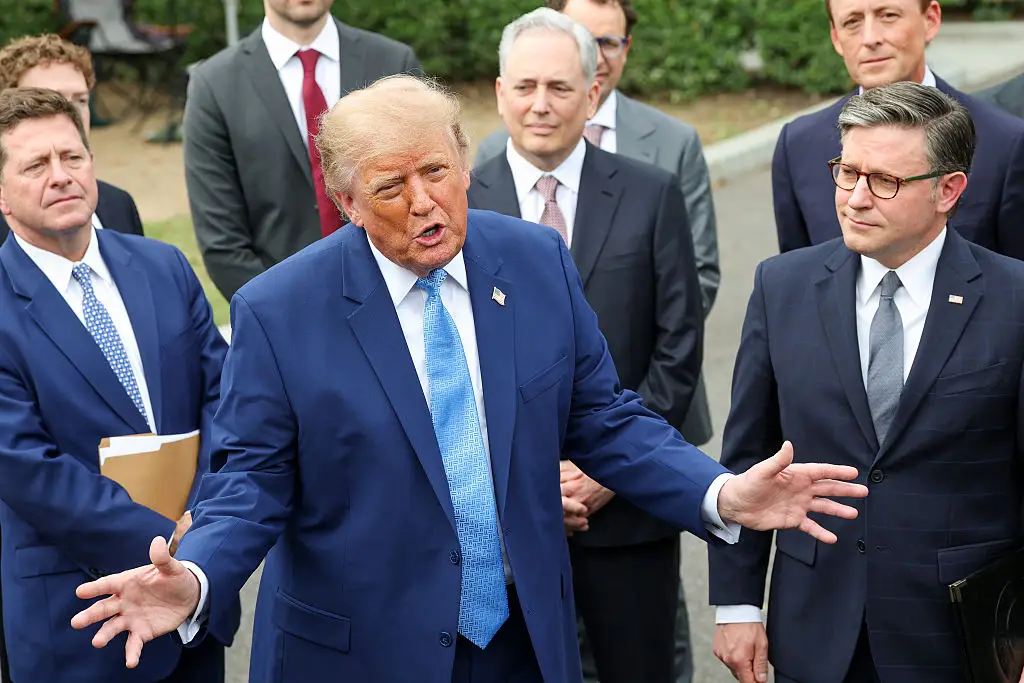
"When you say artificial intelligence, it's artificial," Trump explained in a press conference this week. "This is extreme intelligence, its superior intelligence, it's supreme intelligence.
"But the word super is the best word of all and its the simplest, so we're going to be naming it SI, Super Intelligence. We don't want to hear artificial intelligence cause it's not artificial. It's very powerful [...] it's going to mostly be put to great use."
The question remains, however, whether Trump himself actually even uses the tech — as he refused to reveal how he took advantage of its 'superior intelligence' when pressed by journalists a few weeks ago.
What will this renaming actually change?
The most immediate shift following this new executive order is that nothing released by the executive branch of government will refer to or acknowledge the usage of 'artificial intelligence' any longer, referring solely to Super Intelligence or SI going forward in any applicable setting.
Additionally, Trump's science and technology advisor, Michael Kratsios, has been given a 60-day timeline to establish the extent to which Super Intelligence should "supersede the existing statutory definition of 'artificial intelligence'," with the support of leading agency heads also provided for this task.
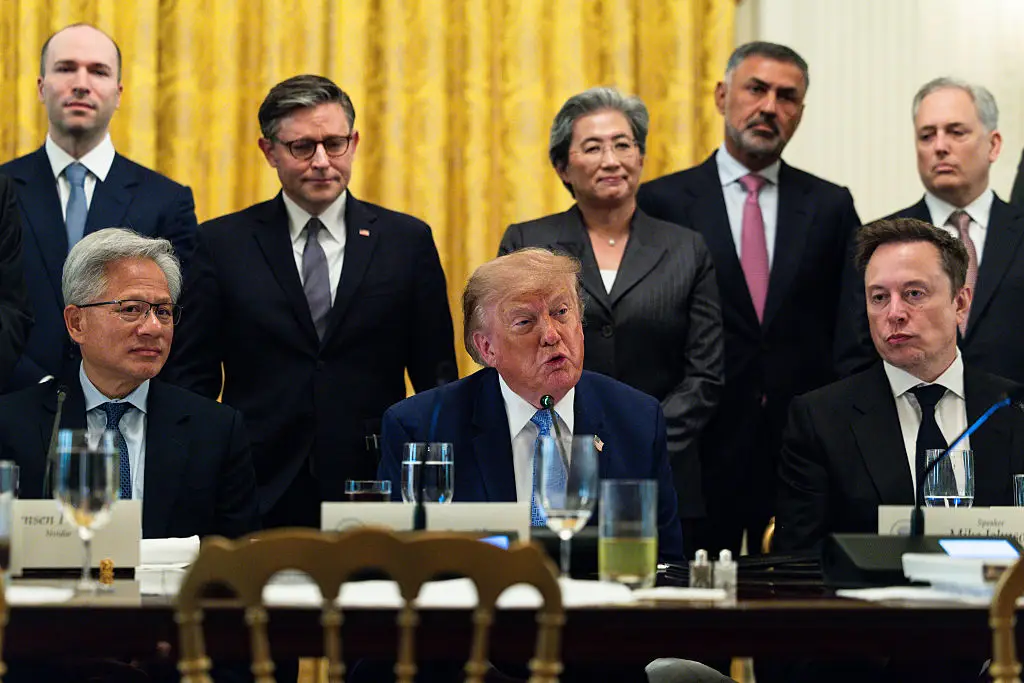
Leading industry executives have also signed a new 'morally binding' accord which sees them agree to improve their controls and implement internal audits amid widespread panic that AI will 'kill us all', suggesting that government intervention isn't likely.
Responding to the move, Senator Mark Warner – who is the vice chair of the Senate's Intelligence Committee and a keen advocate for AI security legislation – called out President Trump's unwillingness to put safety first.
"The companies building the most powerful AI systems are warning us that the technology is advancing faster than our safeguards," Warner outlined. "The president's response? To rename it and tell the companies developing it to regulate themselves.
"But changing what we call artificial intelligence does nothing to address the very real risks that come with increasingly powerful AI systems," he continued.