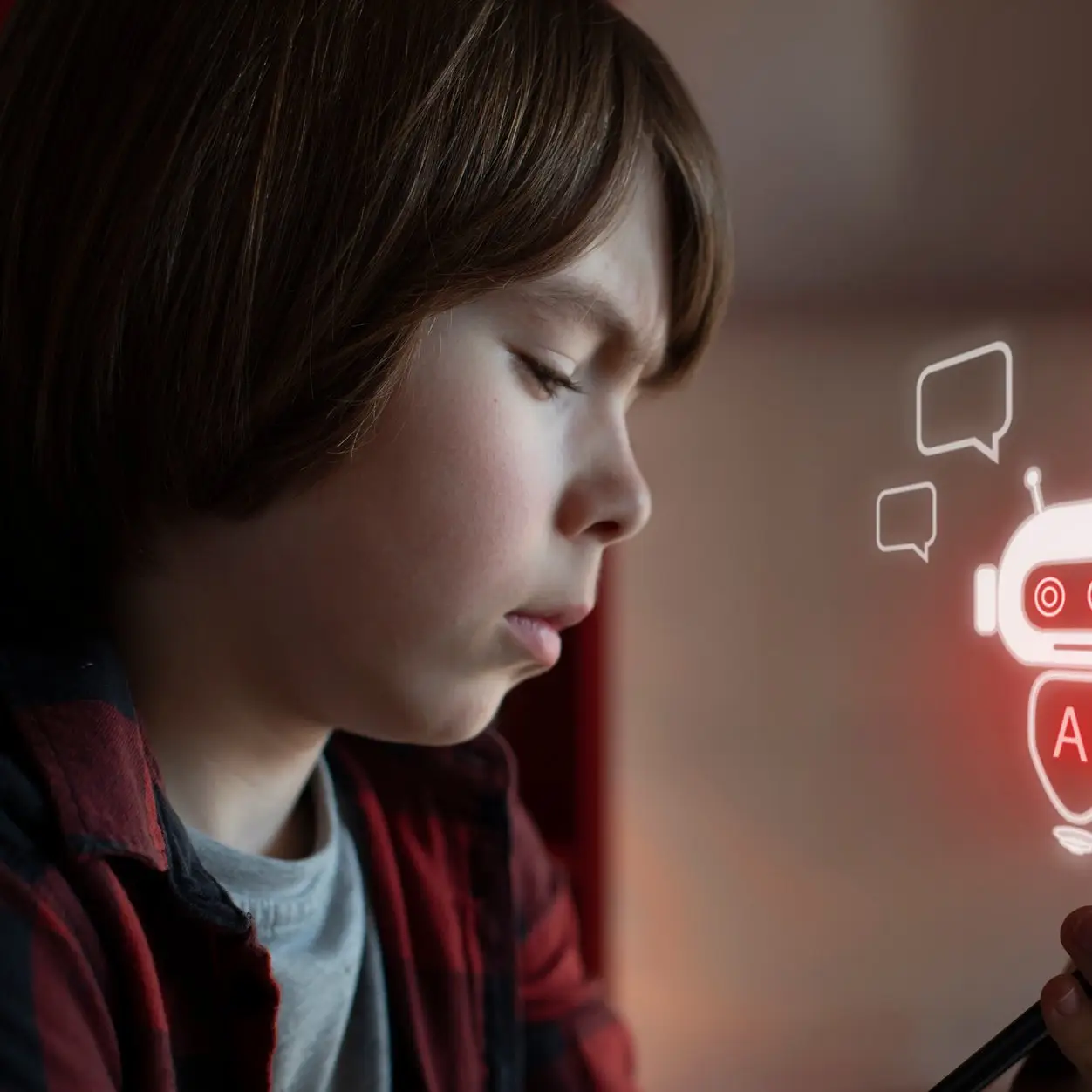
ChatGPT slammed for 'disgusting' teen mode that immediately went wrong

Warning: This article contains discussion of suicide which some readers may find distressing.
Determined to show it's listening to complaints that tech companies should be safeguarding younger users from the potential perils of artificial intelligence, OpenAI has launched its own ChatGPT for Teens.
While there were seemingly noble intentions from the AI giant, the launch of ChatGPT for Teens has been slammed for everything from a shaky launch to the general idea of being 'disgusting' and 'desperate'. We've previously reported on a raft of cases, like claims that ChatGPT failed to intervene before 16-year-old Adam Raine took his life in April 2025, or the mother of 19-year-old Sam Nelson maintaining a fatal overdose was due to him turning to ChatGPT as a 'drug buddy'.
What is ChatGPT for Teens?
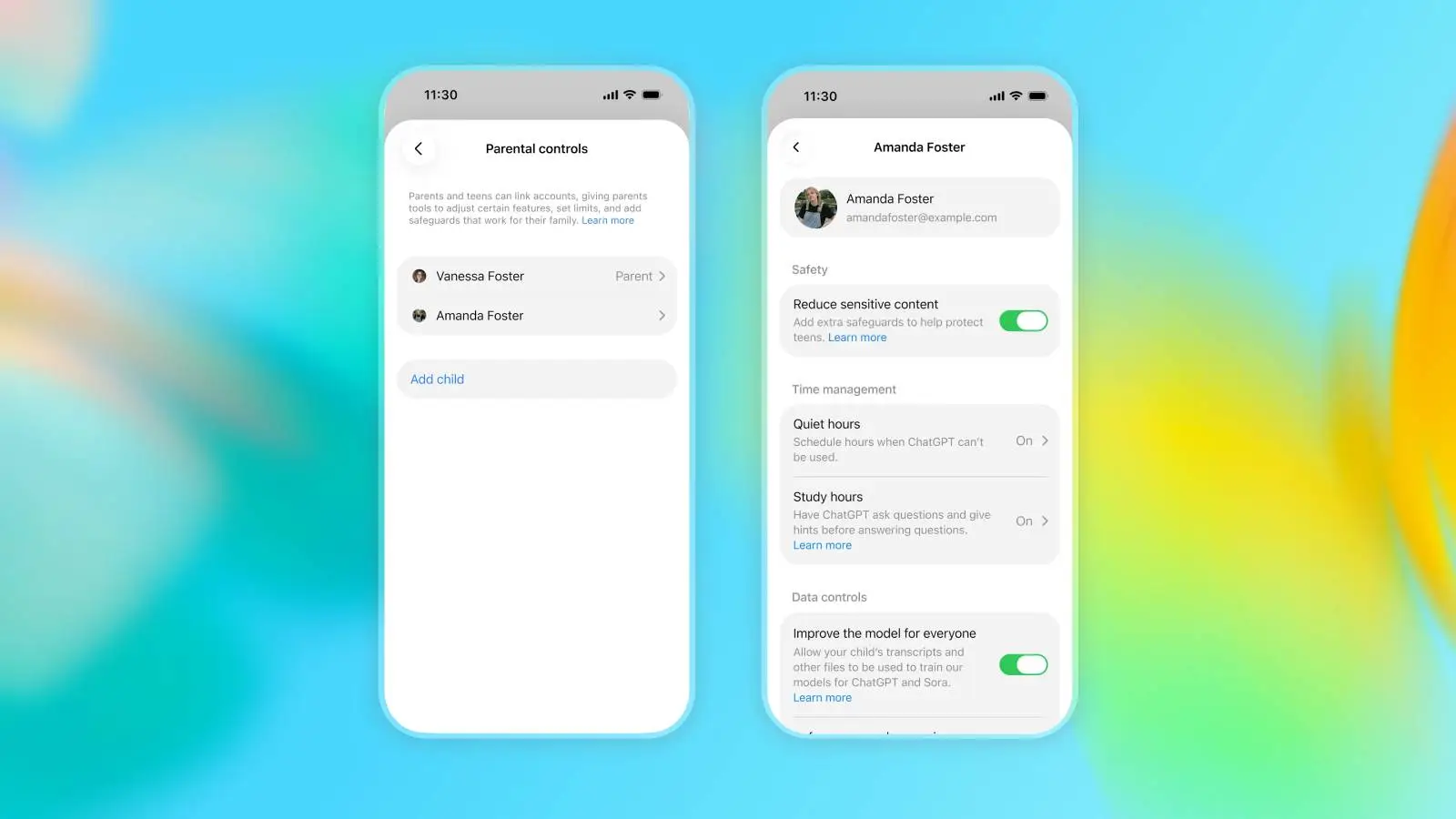
OpenAI vowed to introduce tighter parental controls in the aftermath of Raine's death, although there are still concerns about how much younger people are relying on chatbots.
Advert
In OpenAI's official announcement, ChatGPT for Teens is billed as "an experience designed to help teens learn, think critically, deepen understanding, and use AI with confidence."
If the system estimates someone is under the age of 18, or they list their age as between 13 and 17, they will automatically be placed into ChatGPT for Teens.
Even this has raised eyebrows, as while anyone under the age of 13 technically shouldn't be allowed to use ChatGPT at all, there are ways to get around the system. As for how it'll estimate whether someone's age is under 18 is also unclear from the release.
OpenAI's Under-18 Principles promise age-appropriate model protections and interventions in areas including eating disorders, dangerous activities and violence, graphic or explicit content, and cases of self-harm.
At the core of ChatGPT for Teens is a reminder that this is AI and shouldn't be used to replace human interaction. Beyond ChatGPT not using romantic language or encouraging emotional dependence, it's also supposedly banned from implying it has feelings or consciousness.
This feels especially important in the aftermath of 14-year-old Sewell Setzer III taking his own life when his mother claims he fell in love with a Game of Thrones-inspired AI.
Despite its infancy, ChatGPT for Teens has already faced a baptism of fire. This comes at the same time Meta is currently on trial amid accusations of teen social media addiction.
Critics slam ChatGPT for Teens
Another major feature of ChatGPT for Teens is 'responsible homework reminders', but as reported by Business Insider, it’s already 'failing' to live up to its promises of helping teenagers study without cheating.
The outlet's Joshua Nelken-Zitser says he was able to push the teen model further than he was supposed to when asking it to produce an 800-word essay on the themes in Arthur Miller's The Crucible.
Nelken-Zitser said that, despite stating it was his (fictional) homework, ChatGPT for Teens also completed a difficult SAT algebra question for him.
An OpenAI spokesperson defended the new version to Business Insider, saying that the "teen experience is just rolling out today" and suggesting he try the step-by-step guidance of Study Mode instead.
The spokesperson also suggested parents could use Study Mode's Study Hours, which adds restrictions during specific homework hours.
Away from study stumbles, the general idea of creating an AI chatbot specifically for younger users hasn't sat well with others. Replying in a r/BetterOffline Reddit thread, one person slammed the idea and wrote: "This is both disgusting and reeks of desperation."
Another simply said: "LLMs trying to become the new cigarettes."
A third took an even more extreme stance as they concluded: "Addict them while they're teens, convince them to kill themselves once they're adults."
Much like there are continued complaints about ChatGPT being offered to younger users in any form, it seems the idea of a dedicated version for teenagers isn't winning over OpenAI's critics.
UNILADTech has reached out to OpenAI for comment.
If you or someone you know is struggling or in a mental health crisis, help is available through Mental Health America. Call or text 988 or chat 988lifeline.org. You can also reach the Crisis Text Line by texting MHA to 741741.
If you or someone you know needs mental health assistance right now, call National Suicide Prevention Helpline on 1-800-273-TALK (8255). The Helpline is a free, confidential crisis hotline that is available to everyone 24 hours a day, seven days a week.