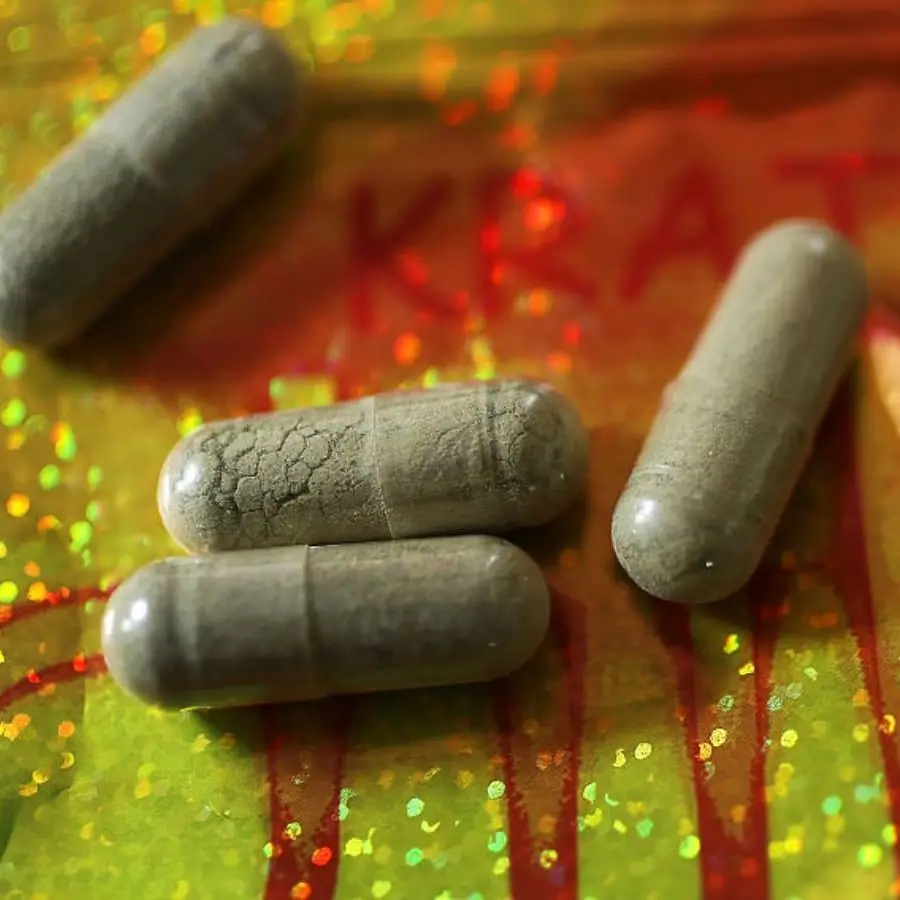
'Convenience store drug' linked to severe brain complications as cases surge 6,500%


Warning: This article contains discussion of drug addiction, which some readers may find distressing.
Doctors continue to sound the alarm over the use of kratom, with lawmakers also trying to clamp down on the widespread use of the so-called 'gas station heroin'. Despite the U.S. Food and Drug Administration not approving kratom for any form of medical use, the fact that it lacks federal classification as a controlled substance means it's widely available from everyday retail spots and is often displayed near cash registers or next to energy drinks.
While some continue to sing the apparent health benefits of kratom, there have been soaring numbers of poison reports, as well as links to severe neurological complications.
What is kratom?

Derived from a tropical evergreen tree found in Southeast Asia, kratom leaves contain chemical compounds including mitragynine and 7-hydroxymitragynine. These compounds interact with opioid receptors in the brain and have a hybrid effect of being classed as a stimulant and energy booster or mood lifter at low doses, through to a sedative or pain reliever at higher doses.
Advert
More than this, kratom has also been sold as a way to ease opioid withdrawal symptoms and comes in a variety of different forms.
Whether it be in powder form, capsules, or as extracts, the dangers of kratom have been highlighted by the likes of New York Governor Kathy Hochul.
In December 2025, Hochul signed two landmark bills to raise the minimum purchase age of kratom to 21, as well as adding clear warning labels about potential health risks and a lack of FDA approval to this convenience store drug.
State legislature has also passed a bill to ban synthetic kratom variants, with this currently awaiting Hochul's signature.
We previously covered the dangers of kratom when it was linked to the case of 19-year-old Sam Nelson dying from an apparent overdose when he turned to AI for advice on a variety of different drugs.
Kratom linked to 'severe neurological complications'
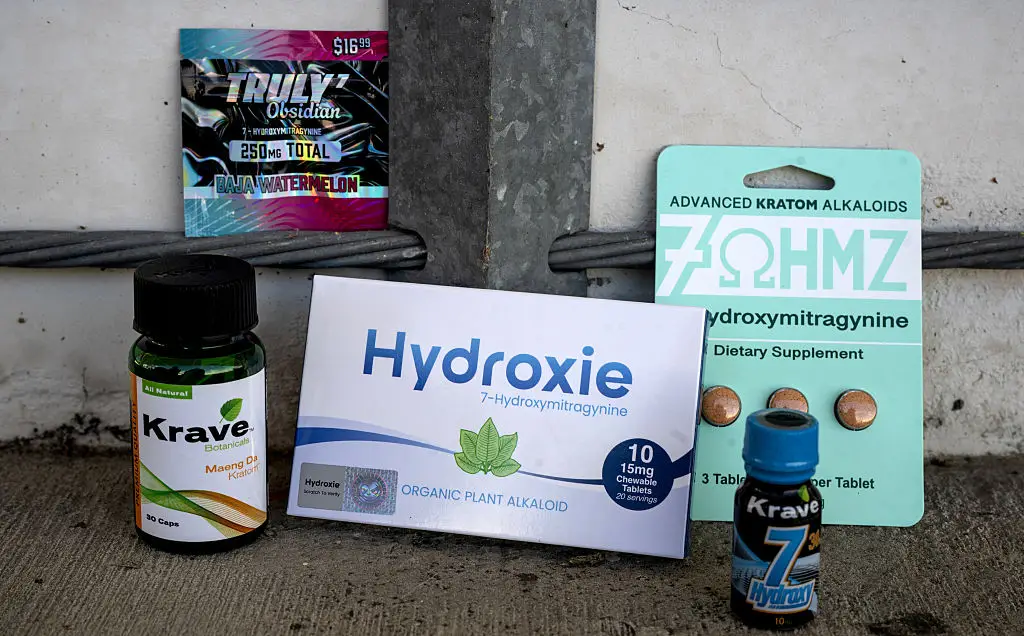
As reported by ScienceDaily, poison center reports relating to kratom reportedly soared from just 19 cases in 2010 to 1,242 cases in 2023. A study published in Addiction noted this as a shocking 6,500% increase and shows how kratom consumption was already becoming a problem three years ago.
There was also an alarming jump in serious cases, with none reported in 2010 and 158 in 2023. It's said that cases with a severe medical outcome are those that include life-threatening effects, a significant lasting disability, or even death.
Senior author Dr. Ryan Feldman, of the Medical College of Wisconsin, reminds us that kratom isn't scheduled under the US Controlled Substances Act or approved for medical use by the FDA, meaning individual states are left to set their own regulations or leave kratom completely alone.
Referring to states with no kratom regulation, Feldman said they consistently had worse outcomes than those who'd banned the opioid-like substance.
Highlighting side effects like irregular heartbeats, breathing problems, liver damage, and seizures, Feldman added: "Nearly one in seven cases reported to a poison center with a single-substance kratom exposure were admitted to a hospital, and one in 16 were admitted to a critical care unit.
“If kratom is used in combination with other drugs, as it often is, kratom's tendency to interfere with metabolic pathways can heighten the risks of the accompanying drugs."
Mitragynine and 7-hydroxymitragynine are known to trigger complex physiological responses, with profound respiratory depression and cardiac dysrhythmias also being listed aside coma as associated risks.
Despite preclinical models suggesting kratom has a lower baseline risk of hypoventilation when compared to more traditional opioids, there's still a chance of naloxone responsive respiratory depression, aka life-threatening low breathing.
Mitragynine interacts with P-glycoprotein to inhibit cytochrome P450 enzymes 2D6 and 3A4, which loops back to Feldman's warning that kratom heightens toxicity risks alongside other medications and substances. Use of more than one drug appeared in 39% of the poison center reports and led to a higher frequency of severe medical outcomes.
With ongoing debates supposedly lacking high-quality evidence, Feldman called for more rigorous and unbiased research to be done, concluding: "As our research here shows, the kratom problem is not going away anytime soon."
If you want friendly, confidential advice about drugs, you can call American Addiction Centers on (313) 209-9137 24/7, or contact them through their website.