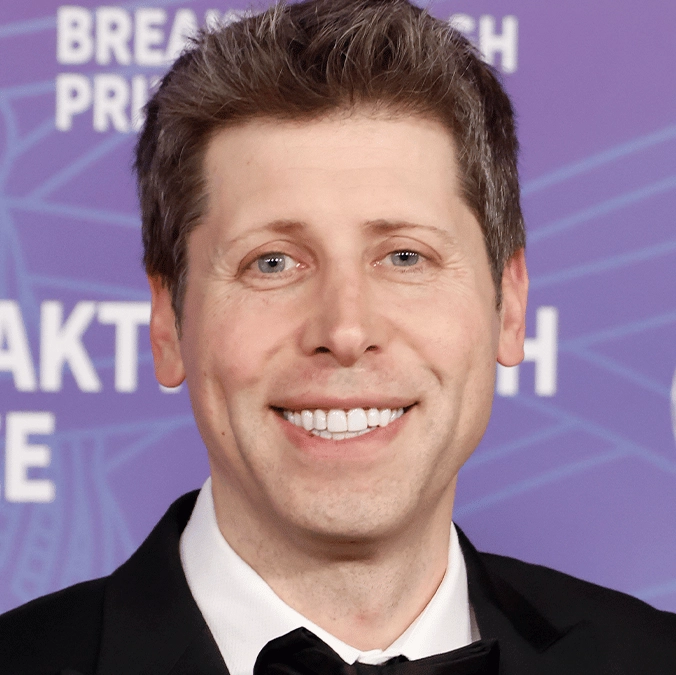
ChatGPT CEO Sam Altman just launched an 'antidote' for AI chaos


Sam Altman’s latest product launch could stop things like ticket scalping, fake Tinder profiles, and deepfakes if it is integrated into all things concerning the internet. But at what cost?
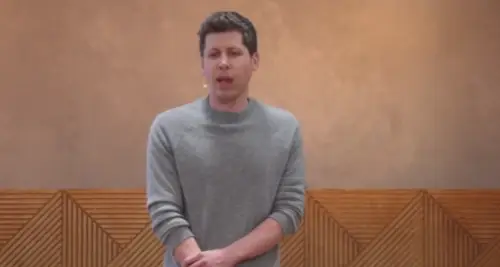
The ChatGPT founder claims he’s not worried about the future of technology in a speech at the World ID 4.0 event, which was posted online for all to see.
The tech guru, who confirmed a ‘world-shaking cyber attack’ this month, and has no problem with technology being used to preserve his brain, explained that people care about people, and that’s what’s going to save us.
Altman’s comments came as he announced the launch of his World ID core offering to an audience in Los Angeles on April 17.
Advert
There, he explained that although there have been tough times online to people being scammed, and losing trust in technology due to bots – he has the solution to the increasingly dangerous problem online.
With the rise in AI models online, AI deepfakes have become a threat like no other.
If you’re not sure what a deepfake is, it’s essentially a like-for-like recreation of a person using artificial intelligence.
The deepfake might sound real, look real, and act real, but it’s just a bunch of machine learning jargon that could scam you out of money or steal your identity.
To combat this, Altman created an ‘antidote’ in the form of an iris-scanning, humanity-verifying project called World ID.
World ID uses its Proof of Human scanning orb, to verify if a person is real, or created using AI.
Using AI and biometrics to fight AI is an interesting approach, but it could help to put an end to the internet being overrun with highly capable AI agents that make it incredibly difficult to tell who is really human.
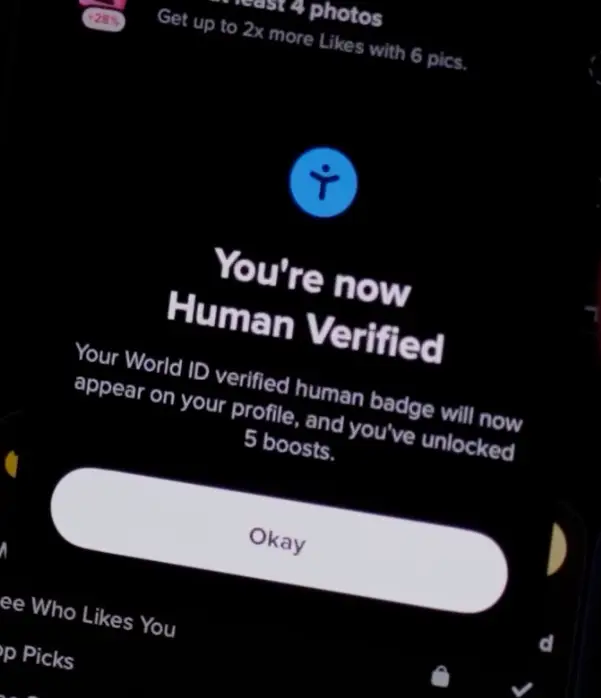
In its announcement, World said of its new updated offering: “Today, World is releasing the most significant World ID protocol upgrade yet. The new World ID is full-stack proof of human, unlocking new use cases across consumer platforms, enterprise applications and AI agents.”
Alongside its update, the company also shared has also created a World ID app, to ‘put proof of human at your fingertips wherever you go online.’
So, you can verify humanity wherever you go.
When it comes to Tinder, this can be used to verify who is real and who isn’t.
The product, which was created in 2019 by Altman and Alex Blania, hopes to fight against technologies, as OpenAI (where Altman is CEO) and Anthropic push AI agents further into the mainstream world.
But whether this’ll get global adoption is a question yet to be answered.