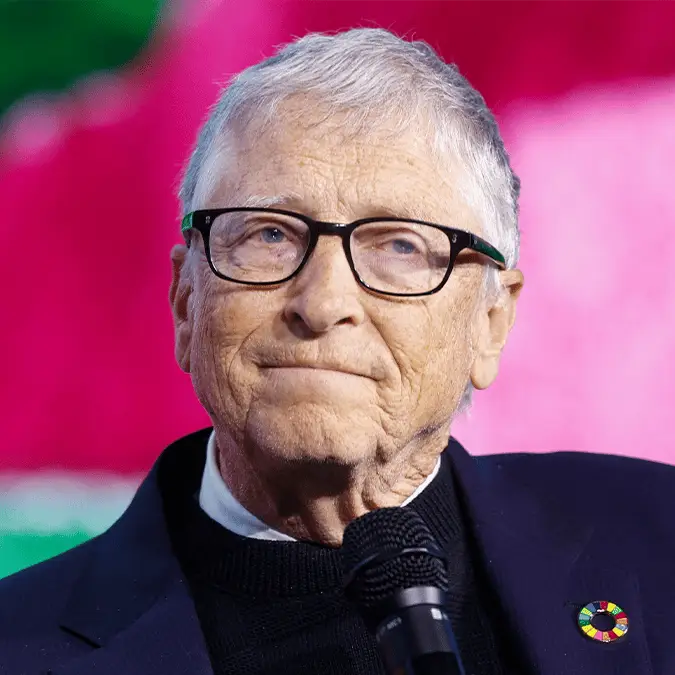
Bill Gates and OpenAI back $50,000,000 deal that could be a game-changer for the health of an entire continent


Bill Gates has repeatedly attempted to highlight the positive impacts of artificial intelligence amid fears regarding the threat it poses to jobs, the environment, and more, and he's now pledged $50 million alongside OpenAI in a plan that could see a continent's health transformed.
Much of what you hear about AI right now is negative, as people are understandably concerned about how it will affect their jobs, the impact that it'll have on the environment, and the already alarming ethical breaches that some models have displayed.
Outside of those who are already benefitting financially from the rapidly growing popularity of AI, there are also some that have praised its positive application in certain areas, with health and medical care being a particularly strong focus.
While there are justifiable concerns held by people when it comes to the use of generative AI in medical contexts, doctors are already applying the technology to their daily routines, from note taking to advanced analysis.
Advert
Now, as reported by the Financial Times, Microsoft co-founder Bill Gates has teamed up with ChatGPT creator OpenAI to launch a project assisting the healthcare systems within numerous African countries, theoretically easing the impact of 'chronic staff shortages'.
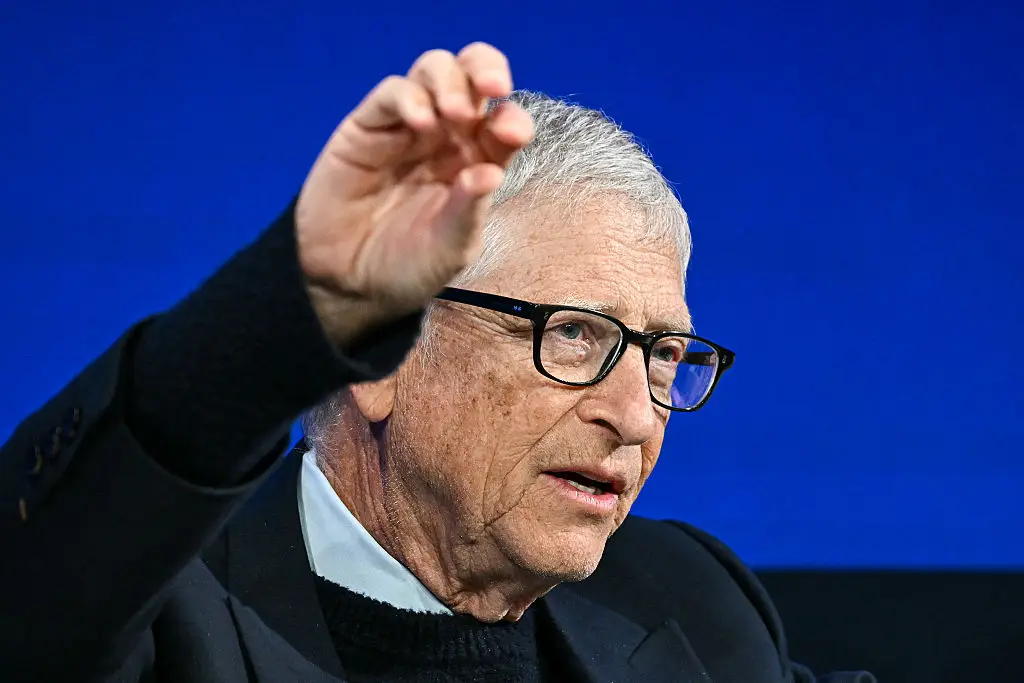
The project, referred to as Horizon1000, has seen a planned investment from the Gates Foundation and OpenAI worth $50 million in total, with the tech pioneer outlining why he believes it will be transformative for the affected countries.
"We aim to accelerate the adoption of AI tools across primary care clinics, within communities and in people's homes," Gates outlined, noting that the technology on offer could be a "game-changer in expanding access to quality care."
Gates also emphasized that the use of AI in this instance would be to "support health workers, not replace them," highlighting the 1,000 clinics suffering staff shortages totalling roughly six million workers, yet some might still remain skeptical in the long term.
The initiative will assist health workers in record-keeping and also offer symptom evaluation, allowing doctors "to see patients more efficiently and to make better decisions," according to Gates.

Sam Altman, CEO of OpenAI, echoed Gates' sentiment, remarking: "AI is going to be a scientific marvel no matter what, but for it to be a societal marvel, we've got to figure out ways that we use this incredible technology to improve people's lives."
Based on the performance of current models though there are many that fear for the persistence of 'hallucinations' where the AI tools effectively make up information to please the user, and there are even accusations that historically understudied groups will receive poorer treatment due to the lack of data regarding diseases that disproportionately affect ethnic minority groups and women.