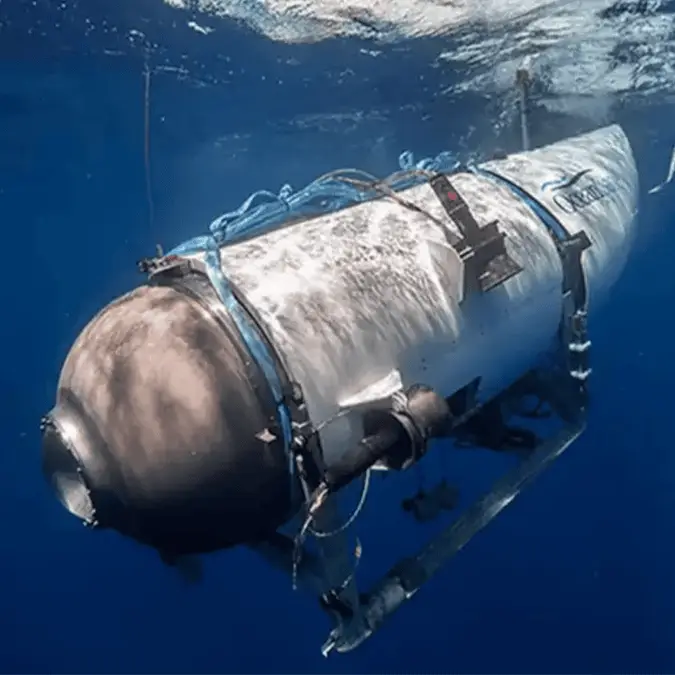
How AI today could've changed outcome of Titan Submersible's fatal implosion


Five people tragically died after the OceanGate Titan submersible suffered from a fatal implosion at a depth of roughly 3,800 meters, but some believe that catastrophic event could have been prevented had the team behind the journey had access to the AI tools we have available today.
This is due to the ability for AI to provide better analytical and predictive modelling compared to humans, hypothetically preventing a number of the potential issues from occurring before they escalated when the final trip down to the Titanic reached its horrific conclusion.
As powerful as AI is right now – and will likely continue to become – there's unfortunately nothing the revolutionary technology could have done in the heat of the moment, as the submersible was crushed in a fraction of a millisecond as pressure exceeding 6,000 pounds per square inch (psi) caused an implosion of roughly 1,500 miles per hour (2,414 kilometers per hour).
However, the factors that led to that implosion could potentially have been identified and avoided with the use of certain AI models, causing the journey to theoretically be completed without any issues despite the risk of traveling so far into the depths of the ocean.
Advert
As shared by ThirdEye Data, the implosion was likely caused either by a collision with the submersible after it had entered the mater, or an issue with the vehicle itself, like a manufacturing defect or a failure of the safety systems.
For the first issue AI could be used in two separate yet complimentary ways. First and most importantly the team at OceanGate could employ artificial intelligence to scan and analyze sonar data, which would flag up any obstacles underwater which would pose a risk to the submersible.
Using this information, the team could then use AI to not only create a safe pathway down to the Titanic's wreck, but also even use the technology to control the movements of the submersible, ensuring that the vehicle remained on the safe, pre-determined path.
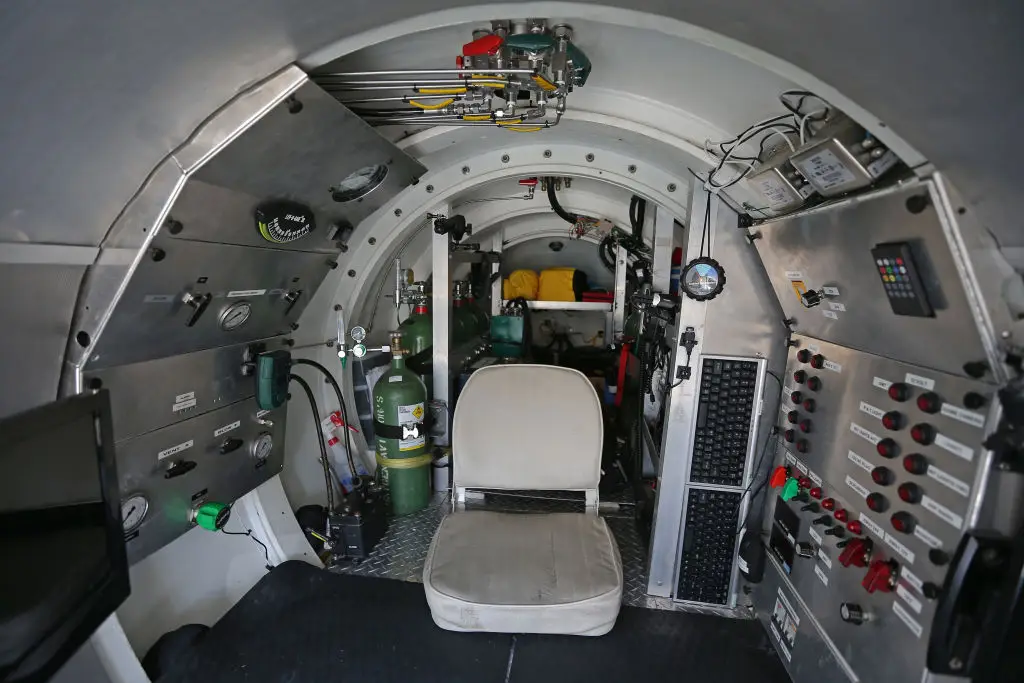
If the implosion was caused by pre-existing issues with the submersible, however, then AI could also be employed to diagnose any issues with the vehicle that perhaps would go unnoticed by human engineers.
Leaks, faulty equipment, and other issues that emerge from previous dives could be spotted before they turn into a proper risk on later trips, and something seemingly as simple as this might have been enough to save the lives of the five crew members on board.