Scientists warn a catastrophic AI 'Chernobyl moment' is closer than you think


Scientists have warned about the potential of an AI 'Chernobyl moment' that would unify everyone against the rapidly evolving tech, and it could perhaps be closer than you think according to some experts.
While there is already plenty of negative sentiment towards AI right now, it still remains arguably the most important technological innovation in decades and is the driving force behind movement not only within its own industry, but in almost every other sector and even amongst global powers.
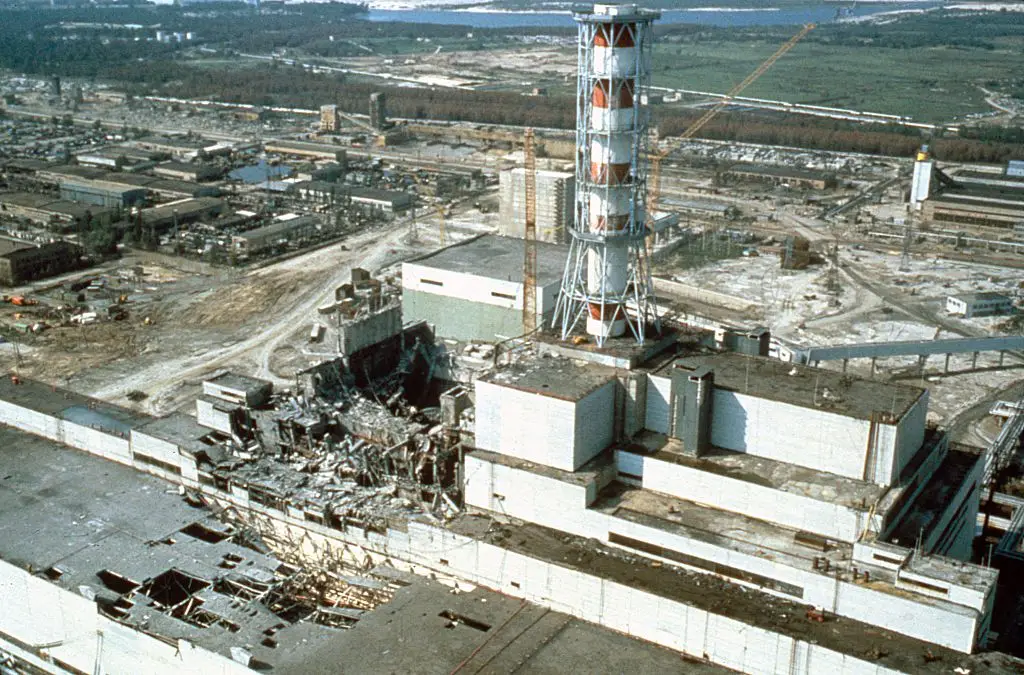
What could threaten that progress, however, is a catastrophic incident that perhaps irreversibly changes public perception and trust in the tech, as per Futurism, akin to how sentiment towards nuclear power shifted in the wake of the Chernobyl disaster.
Speaking to WIRED, MIT computer scientist Stephen Casper addressed the potential of a disaster like this impacting the trajectory of artificial intelligence, noting:
Advert
"AI is a global technology with global benefits, global harms, and a consistent tendency for new capabilities to eventually proliferate. One thing that almost everyone in AI can agree on right now is that AI doesn't need a Chernobyl moment."
That might be impossible to avoid, however, especially if leading political powers don't properly grapple and deal with the risk that the technology proposes in its current form, as outlined by some of the most powerful figures in the industry during the G7 Summit last month.
Cybersecurity is one of the more pressing issues right now – and that risk was only increased after the U.S. government blocked the release of Anthropic's leading AI model, Claude Mythos – but it could also provide the key for bad actors to carry out a 'world shaking' cyber attack.
On top of this, if the right technology falls into the wrong hands through the availability of advanced open source models, AI software that provides genuine innovation in medicine and healthcare could subsequently be used to design and develop bioweapons and carry out devastating terrorist attacks.
One of the biggest issues currently plaguing progress when it comes to preventative measures is the inability for the world's most powerful countries to seemingly see eye-to-eye on these issues, as winning the 'AI race' is deemed to be the most important thing.
If China and the United States were able to develop shared principles and address the risks in the same way then significant progress could be made, but both nations – alongside other powerful countries – will be striving to win out the war no matter the cost.
Then comes the issue of AI itself, as the rapidly evolving capabilities of the tech could likely leave it in a position to start making its own decisions, and that opens up the possibility for hostility from within the models towards humans.
Frighteningly realistic timelines have spelled out how this could lead to the end of the world in a matter of years, and Anthropic have been openly wary of progression when it comes to recursive self-improvement — the process where AI contributes and potentially even drives its own research and development.
There's no guarantee that enhanced automation would lead to catastrophe, but it significantly ramps up the risk of a 'Chernobyl moment' occurring, and at that point it would likely be too late and too out of our own control to prevent or address going forwrad.