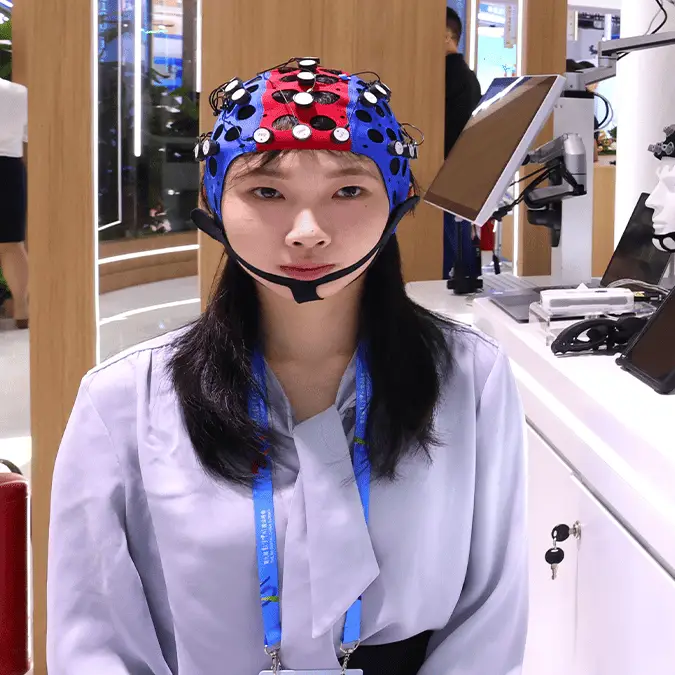
OpenAI researcher quits to build mind-reading AI that gives humans a ‘sixth sense’


Nobody knows exactly what the future of AI will look like right now as the technology is constantly and rapidly evolving, yet one ex-OpenAI researcher believes that it'll be able to read our minds and provide us with a 'sixth sense', with their very own company at the heart of it all.
Naomi Bashkansky has worked for some of the biggest companies in the AI industry, serving as a research trainer at Anthropic and most recently a researcher at ChatGPT creator OpenAI, yet she has now left the latter after nearly two years to join a brand new company, Conduit Intelligence.
"On Thursday, July 23rd, I resigned from OpenAI," Bashkansky revealed in a blog post revealing the new direction her career has taken. "I started as a Founding Researcher at Conduit. We're building telepathy: thought-to-text models, trained on non-invasive neural data."
She outlines a bold prediction that could come true within the next year, suggesting that "the main way we'll talk with our AIs is with our thoughts. They will not be a super-smart automated intern or coworker that you desperately try to keep up with. They will be a natural, joyful extension of you."
Advert
This is somewhat contrasting to the current direction of travel for the industry, as many companies – including her former employer – are driving towards automated agents that spark fears regarding mass unemployment.
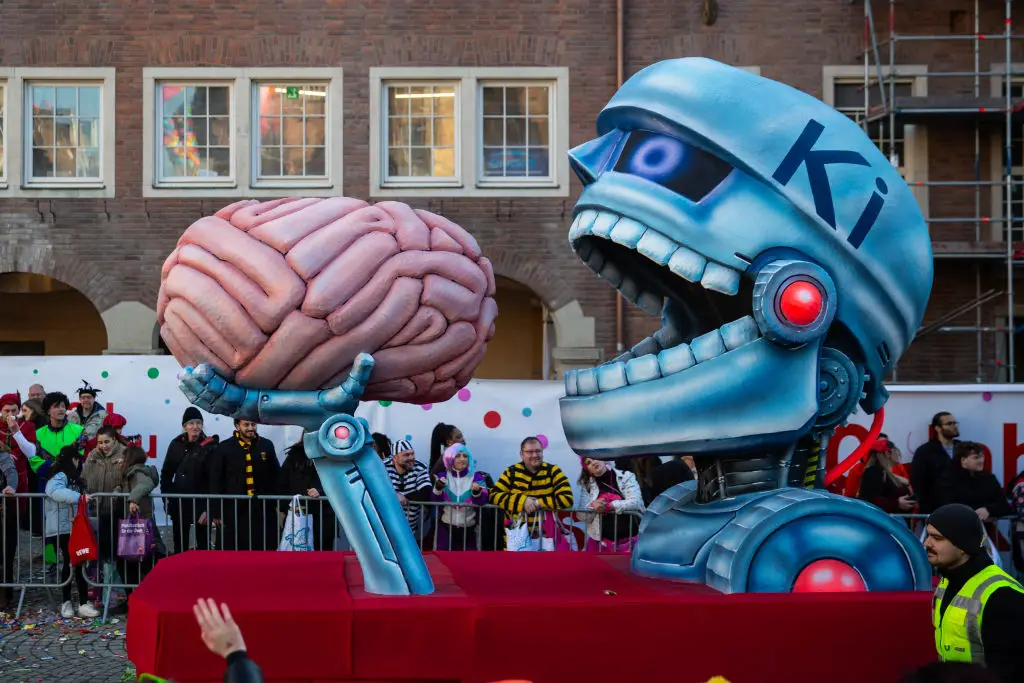
What Conduit is trying to achieve, however, is a more passive companion to your life, augmenting everything you do by accessing and deciphering your thoughts, effectively cutting out the 'middle man' even more and making your life more efficient and streamlined.
"I make myself coffee. My thoughts are mostly empty, but I briefly recall what I want to say to the candidate I'm getting lunch with tomorrow," Bashkansky proposes as a scenario where Conduit's mind-reading model might come in handy.
"In the background, Codex is prompted to think about the info I might want for the lunch chat, and decides that updating the synthetic data scaling plot before showing it off would be prudent; Codex spins off a subagent."
She describes the feeling as 'magic', noting that "I'm not saying the words really loudly in my head while getting coffee. I just read the plots as I normally do, and make coffee as I normally do."
Privacy concerns might immediately spark in the minds of everyone reading that, yet Bashkansky emphasizes that the process would be conducted non-invasively, contrasting the efforts of someone like Elon Musk with Neuralink, which involves the implantation of a chip directly inside of your brain.
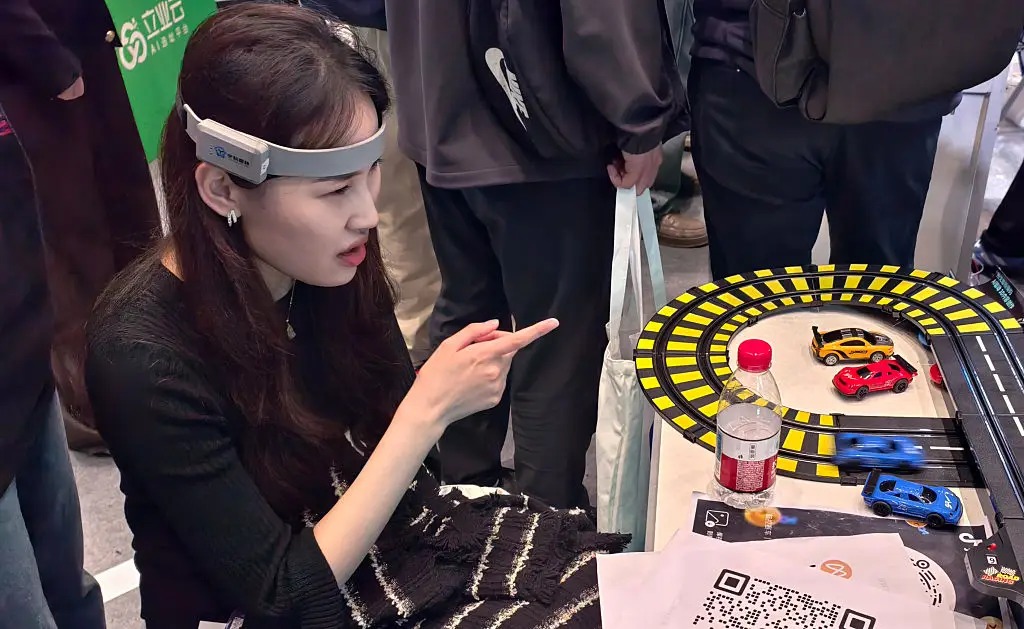
"It's hard to collect enough data using invasive methods. Few people want a chip in their brain! But non-invasive methods are getting much better," she explains.
"The hardware is improving and getting cheaper, though I apologize for being vague about the particularities of our hardware. As we're training more data, the model is predicting text that is more semantically similar to the subject-written text. Yes, there's more irreducible error due to noise, but for most modalities we're not yet in a regime where we're pushing against that."
Whether this project turns out to be possible remains to be seen – especially in the short amount of time that Bashkansky speculates – but it could certainly be an intriguing twist for both the AI and brain-integration spaces.