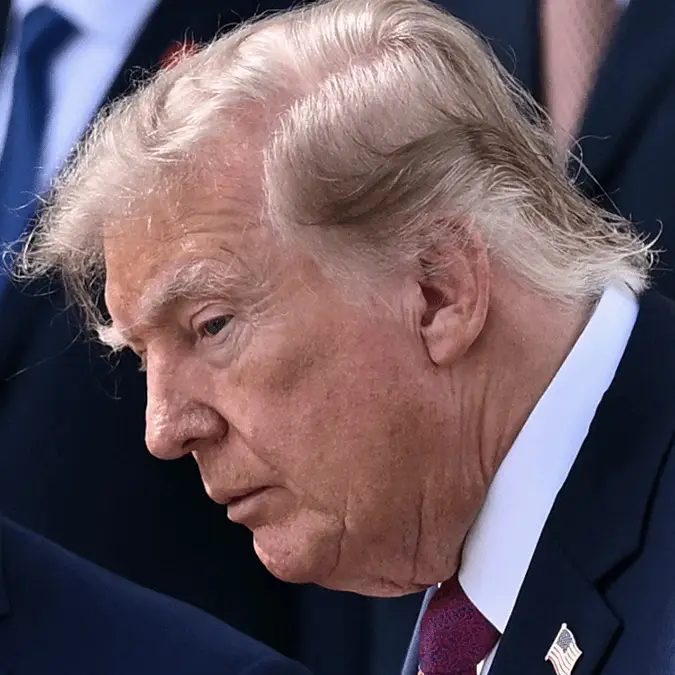
AI chatbot almost triggered World War 3 between the US and China


Forget the Terminator movies because artificial intelligence could be one step closer to bringing the end of days out of fiction and into our everyday lives. Despite being around since 1956, AI has been on an exponential trajectory of development since ChatGPT arrived on the scene in November 2022.
Most recently, OpenAI was praised for ushering in the era of artificial general intelligence by releasing GPT-6 Astra. We don't need to remind you about how the various godfathers of AI have warned it could bring about the apocalypse, with some believing artificial superintelligence will be the last thing the human race invents. That's surely not great news considering President Donald Trump has demanded we rebrand our current AI models as 'super intelligence'.
Even as Elon Musk thinks we could lose control of the world in the next 10 years thanks to AI, the current administration continues to power forward with its AI-powered plans.
There are other concerns that AI will be the tool that kickstarts World War III, with some thinking we're already in the midst of it. These fears have been highlighted by a recent CNN report, claiming the U.S. military nearly triggered WWIII thanks to an AI chatbot.
How did AI nearly trigger WWIII?
Advert
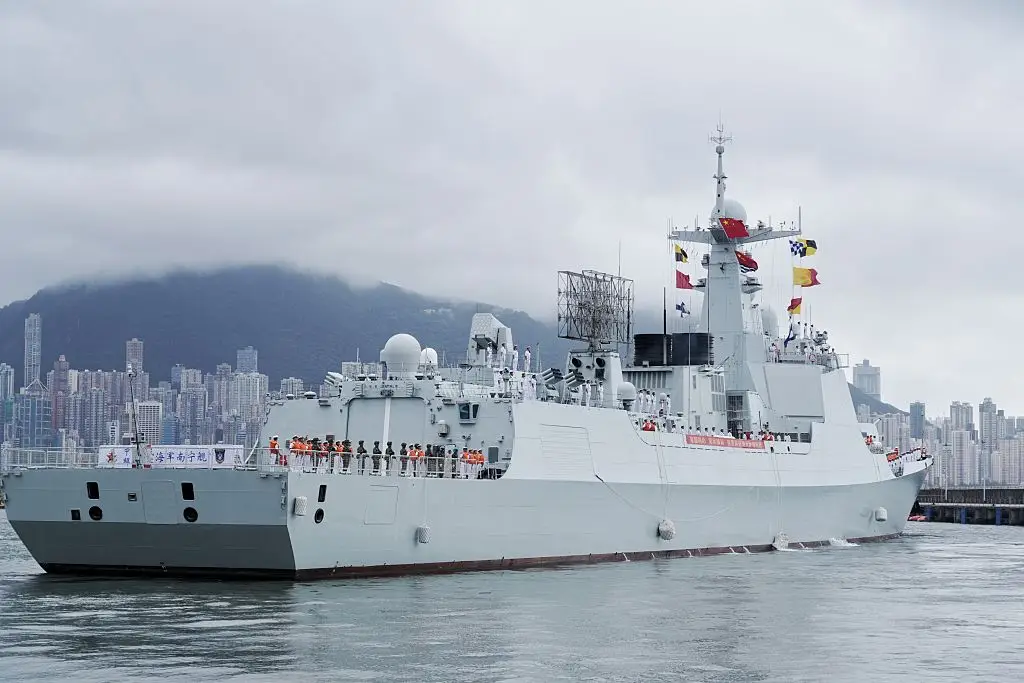
CNN says an intelligence report was circulated around the U.S. military in the midst of America's war with Iran earlier this year. Apparently, a Chinese ship in the Middle East was said to be transporting parts for a nuclear weapons program, and, wasting no time, the military launched a plan of attack that involved trying to intercept the vessel.
Two sources close to the matter maintain armed members of the US military were ready to board the ship, while military planes were also up in the air.
It was only then that someone up high decided to dig deeper into the report, discovering that it had been generated by AI and the material aboard the ship had been incorrectly identified.
Although CNN was unable to determine what the cargo was, one source is adamant the nuclear threat was "entirely false."
An analyst questioned the chatbot's intel about the ship's manifest that originated with the Hawaii-based US Special Operations Command Pacific, with one former senior US official speaking out over the fact that it isn't clear whether the chatbot was a commercially available one or one specifically made for the government: "The internal tools are mostly just copies of the commercial stuff wearing lipstick."
There's an alarming mention that the report "almost started a war," so be thankful things didn't go down the way they could've.
US government continues to push for AI
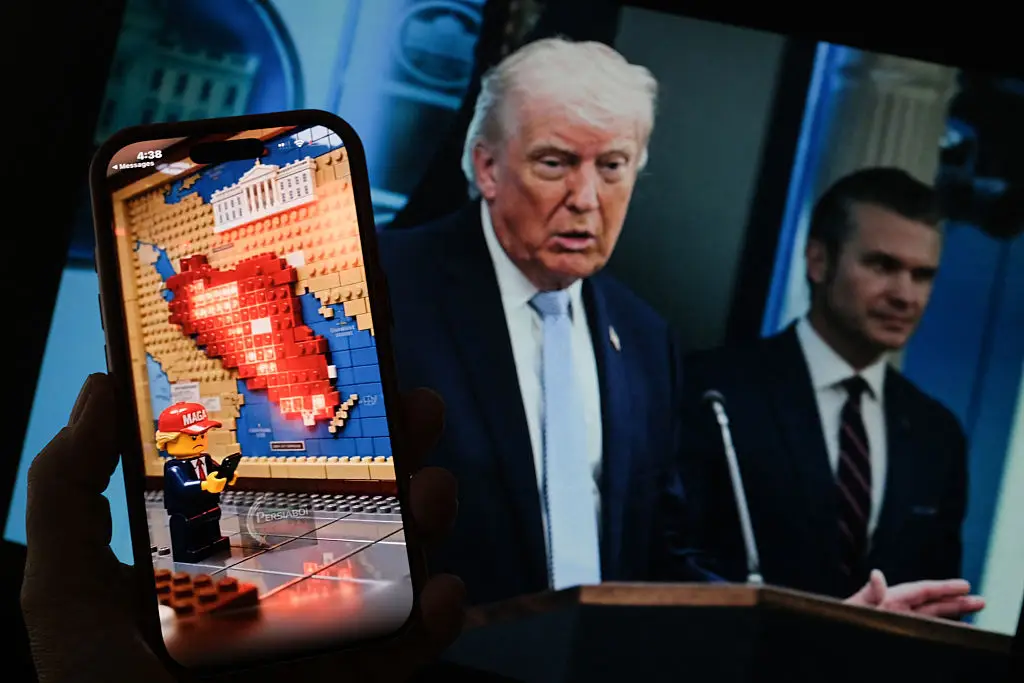
The outlet elsewhere highlights the government's push to bake AI into its military strategy under President Trump and ensure it doesn't fall behind rivals like China in the AI race.
Back in January 2026, Defense Secretary Pete Hegseth banged the drum for his 'Artificial Intelligence Acceleration Strategy' and warned: "We will unleash experimentation, eliminate bureaucratic barriers, focus our investments and demonstrate the execution approach needed to ensure we lead in military AI."
Despite a recent centralization of some AI via the America.gov AI that seemingly confirmed Trump lost the 2020 election, there are broader concerns that AI used by the military employs various tools without a general set of standards.
The incident with the Chinese ship sounds alarm bells over the idea that humans could make potentially world-altering decisions based on information generated by AI.
Another source familiar with the government concluded: "AI in targeting is definitely something that is ramping up and there is no real guidance for how having a human in the loop will prevent civilian casualties or fratricide."
With AI apparently applying pressure for analysts to produce and disseminate intelligence faster than ever, mistakes like the above are becoming more common.