
Scientists discover unique brain development that only exists in people who played Pokemon as kids


Playing Pokémon when you were younger might have actually advanced your brain in a way few others experienced, as a shocking new scientific study outlines this unique development.
Anyone who found a love for gaming from a young age is bound to have experienced plenty of moments when your parents had to pull you away from the screen, and there's a good chance that you might have been playing Pokémon at that very moment.
For many, Nintendo is synonymous with Pokémon while not technically being a first-party title, and the quest to catch them all often led to hours and hours of playtime across countless childhoods.
While some cynics might call that time wasted, one jaw-dropping new scientific study has revealed that it likely contributed to unique developments in the brain, perhaps giving Pokémon lovers a cognitive advantage over everyone else.
Advert

As shared by Stanford Report, researchers at Stanford University have discovered that adults who played Pokémon extensively as children have developed a dedicated brain region for storing information regarding the pocket monsters, which then leads to preferential activation.
"The functional organization of human high-level visual cortex, such as the face- and place-selective regions, is strikingly consistent across individuals," the study published in Nature Human Behavior posits.
"An unanswered question in neuroscience concerns which dimensions of visual information constrain the development and topography of this shared brain organization," it continues, posing the unique experience of Pokémon-loving children as a means to find the answer.
"We show not only that adults who have Pokémon experience demonstrate distinct distributed cortical responses to Pokémon, but also that the experienced retinal eccentricity during childhood can predict the locus of Pokémon responses in adulthood," the study illustrates.
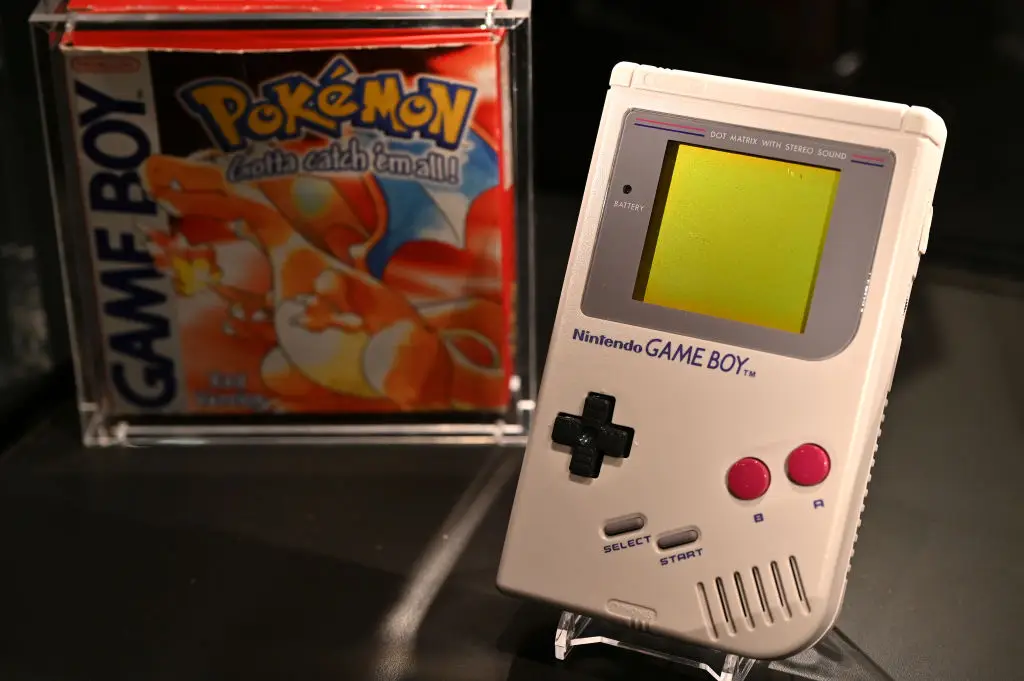
The study's first author, Jesse Gomez, was an avid Pokémon lover himself at an early age, and used his own experience to wonder why so many people are able to retain this information in a dedicated space as opposed to similar material like cars.
"What was unique about Pokémon is that there are hundreds of characters, and you have to know everything about them in order to play the game successfully," Gomez explains.
"The game rewards you for individuating hundreds of these little, similar-looking characters. I figured, 'If you don't get a region for that, then it's never going to happen'."
While it's not possible right now to prove that Pokémon is the only thing that prompts this unique brain space to be created, it's one of the only non-name or -face properties to possess such a distinction which is quite the discovery.