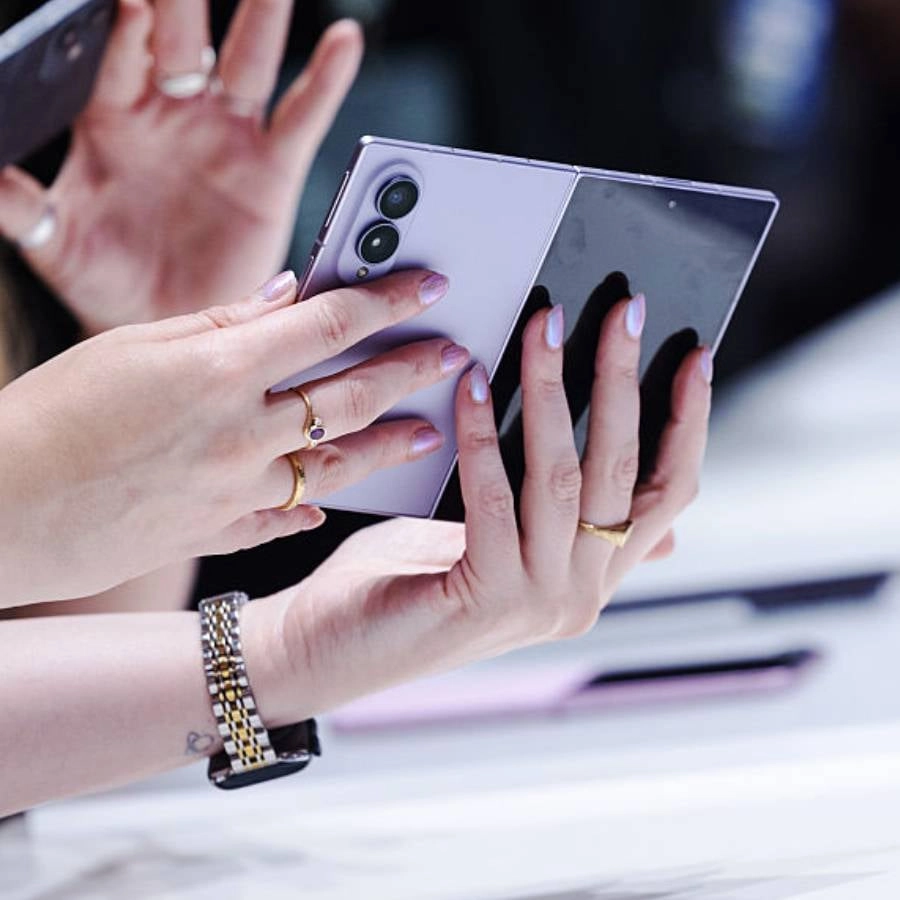
Samsung set to make billions from Apple's foldable iPhone launch


It's been nearly a decade since we first heard talk of a folding iPhone, and with rumbles that Apple has been struggling to crack (pardon the pun) the ability to create a durable screen that can withstand the pressure of being opened and closed hundreds of thousands of times, some thought we'd never get here.
There have been plenty of Apple patents that have hinted at a folding phone’s existence over the years, but in 2026, we've seen things ramp up with everything from leaked dummy models to extravagant price tags.
With the next Apple keynote pencilled in for September 9, we'll potentially get our first real look at the rumored folding iPhone Ultra.
Apple isn't the only one set to win big from folding iPhone Ultra
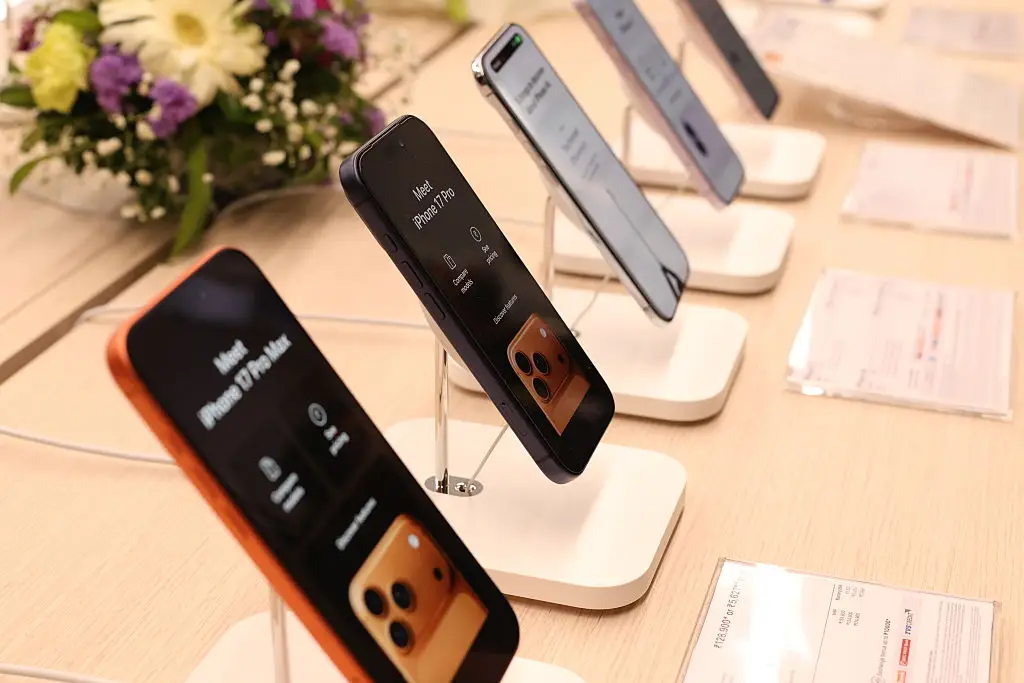
Even though the smartphone market is expected to take a record-breaking dip of 16.7% in 2026, Apple is set to defy expectations. With Android phones taking almost all of the damage amid the global market's worst Q2 performance in 13 years, iPhone shipments managed to climb by up to 5% year-over-year (depending on region).
Advert
Apple is sure to make a not-so-small fortune from the iPhone Ultra, but apparently, its biggest rival is also poised to make billions of dollars.
Samsung and Apple have duked it out to claim the title of best-selling smartphone for years, and with the former releasing the Samsung Galaxy Fold in 2019, it's had seven years to make the most of its market dominance.
Samsung is still releasing phones, with 2026 celebrating the standard Galaxy Z Fold8 and Fold8 Ultra coming to stores in July 2026.
According to SamMobile, Samsung is set for a massive windfall when the folding iPhone releases, with reports out of South Korea (via The Korea Economic Daily) claiming in 2025 that Samsung Display will supply over 15 million foldable OLED panels for folding iPhones.
Back then, Samsung Display was pitched as the exclusive supplier, although Apple was said to have considered the likes of LG Display and BOE.
Hoping to expand Samsung Display's folding screen market share from 40% up to a whopping 70%, an initial order of nine million folding OLED panels was supposedly upped to 15 million.
SamMobile noted that the deal seemed unusual, especially as Apple typically orders specific components from two or more suppliers as a way to give itself wiggle room in terms of price negotiations.
What do we know about the Apple and Samsung deal?
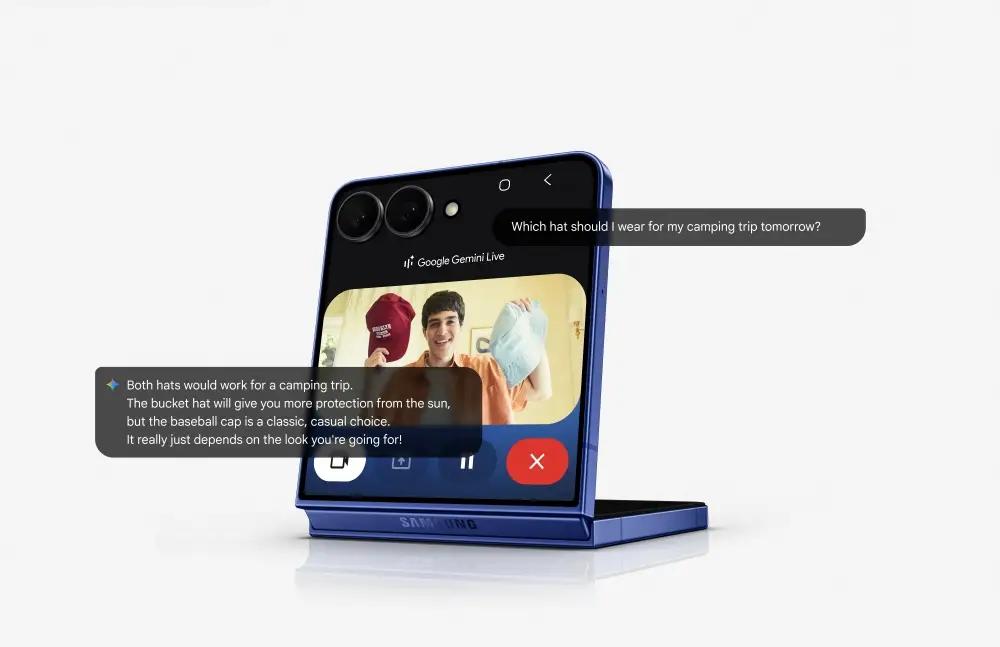
A June 2026 update from SamMobile reported that the South Korean-based Samsung Display has started mass production of the OLED panels needed for the iPhone Ultra. Despite final approval being relatively recent, part of its back-end production line had apparently already kicked off at Samsung Display's facility in Vietnam.
With an initial shipment of three million panels, the outlet maintained that Samsung Display will remain the folding iPhone's sole supplier for the first three years.
Diving deeper beneath the screen, the iPhone Ultra could use the hyper-advanced material set that's called M16.
Despite not being used in any commercial device yet, the M16 material set supposedly offers everything from better brightness and more accurate colors, to a longer lifespan and improved power efficiency.
Samsung helping fund the Fold8's biggest rival might seem like an odd move, but with it apparently investing in upgrades to its A4 factory in Asan, Chungcheongnam-do, to hand the folding iPhone, it might already be securing its own future.
The true nature of the deal will likely never be known, so while all we've got to go on is hearsay, it's still an interesting prospect.