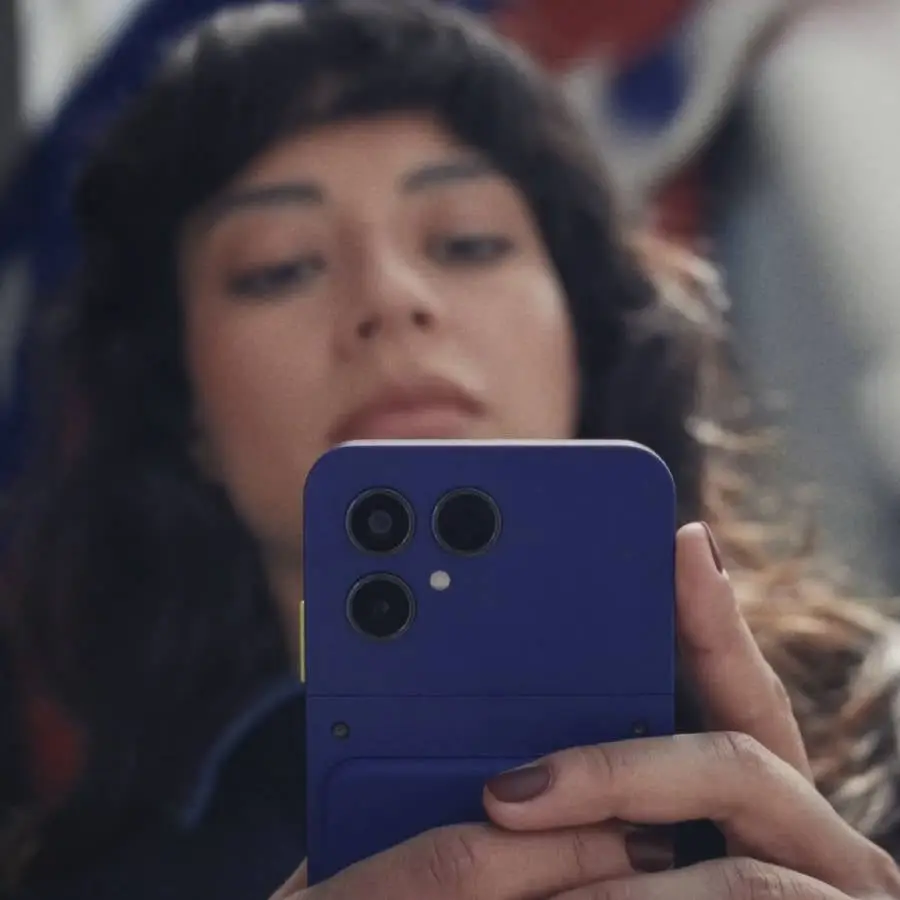
Fairphone finally releases in US with attractive price tag and major advantage over the iPhone


As Samsung and Apple continue to duke it out as the biggest mobile brands in the world, various rivals are sneaking up from the outside to try and take out the Galaxy line and the iPhone.
Whereas Samsung is said to be leading the global market in 2026, that's likely to change as Apple's yearly release of the iPhone sees it leapfrog the competition.
Beyond that, Xiaomi comes in third globally, with OPPO and Vivo rounding out the top five.
Even though Apple and Samsung are known around the world, there are plenty of regional differences. Now, as the Fairphone finally lands in the USA, could this sustainable and repairable smartphone really give the iPhone a run for its money?
What is the Fairphone?
Advert
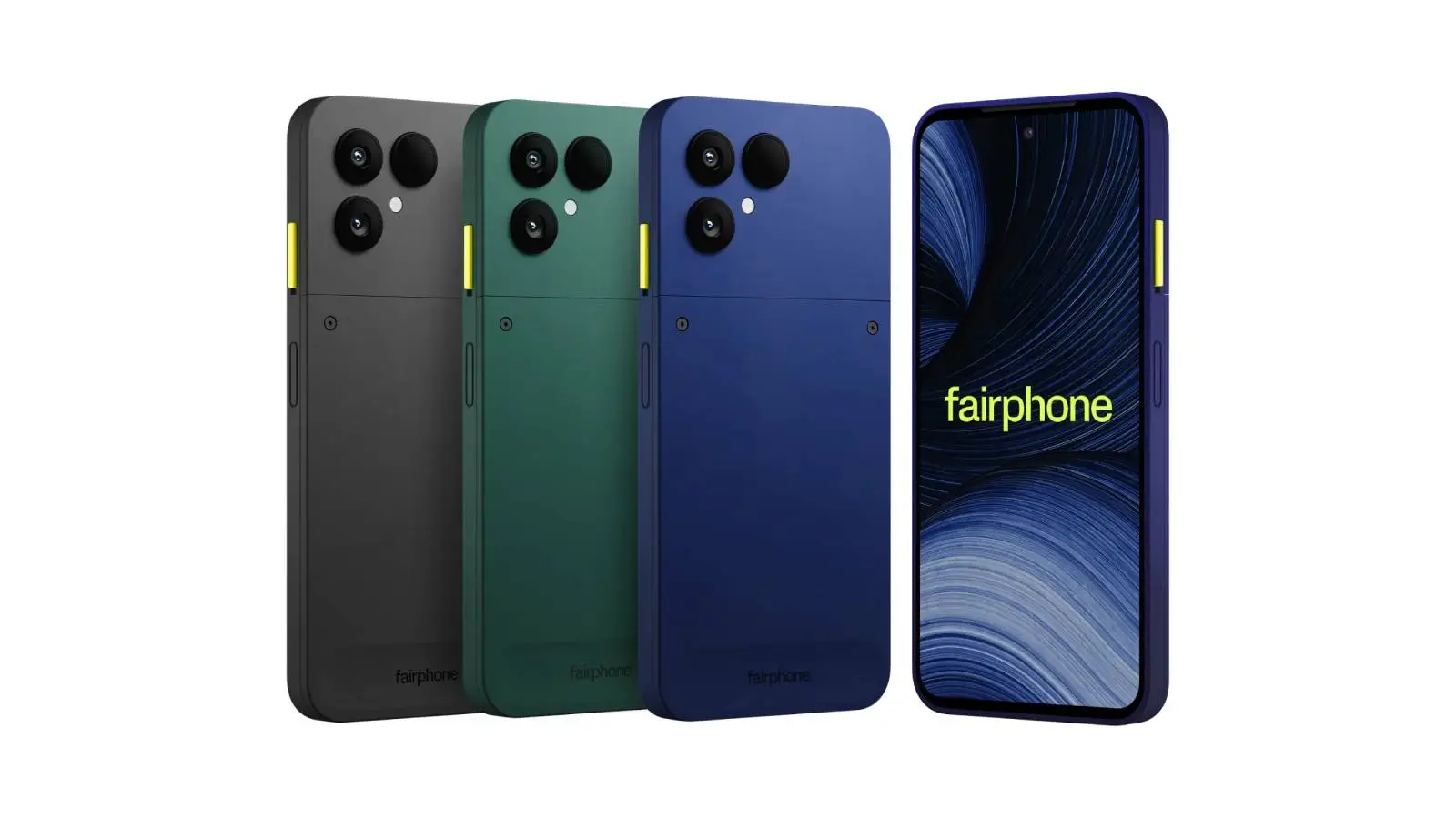
As reported by Wired, the Fairphone is on sale in the USA, more than a decade after the first device was shipped. Founded in Amsterdam in 2013, Fairphone goes with the idea that its smartphones are sustainable and repairable.
Samsung Galaxy models, Google Pixel, and iPhone have a one-year warranty unless you're willing to stump up for an extended service plan. If not, you'll be paying around $329 to Apple for a damaged iPhone 17 screen.
In contrast, a Fairphone Gen 6+ phone harks back to the days of our reliable Nokia phones of the '90s, where parts are replaceable.
As well as the Android-based smartphone costing $649.00, you can also get a 'de-Googled' version that's powered by Murena's privacy-focused /e/OS for $699.00.
With fears that we could be paying as much as $1,300 for the iPhone 18, the Fairphone could be an attractive alternative. More than this, Wired says a replacement screen is $90, a new battery is $40, and a replacement USB-C port will set you back just $20.
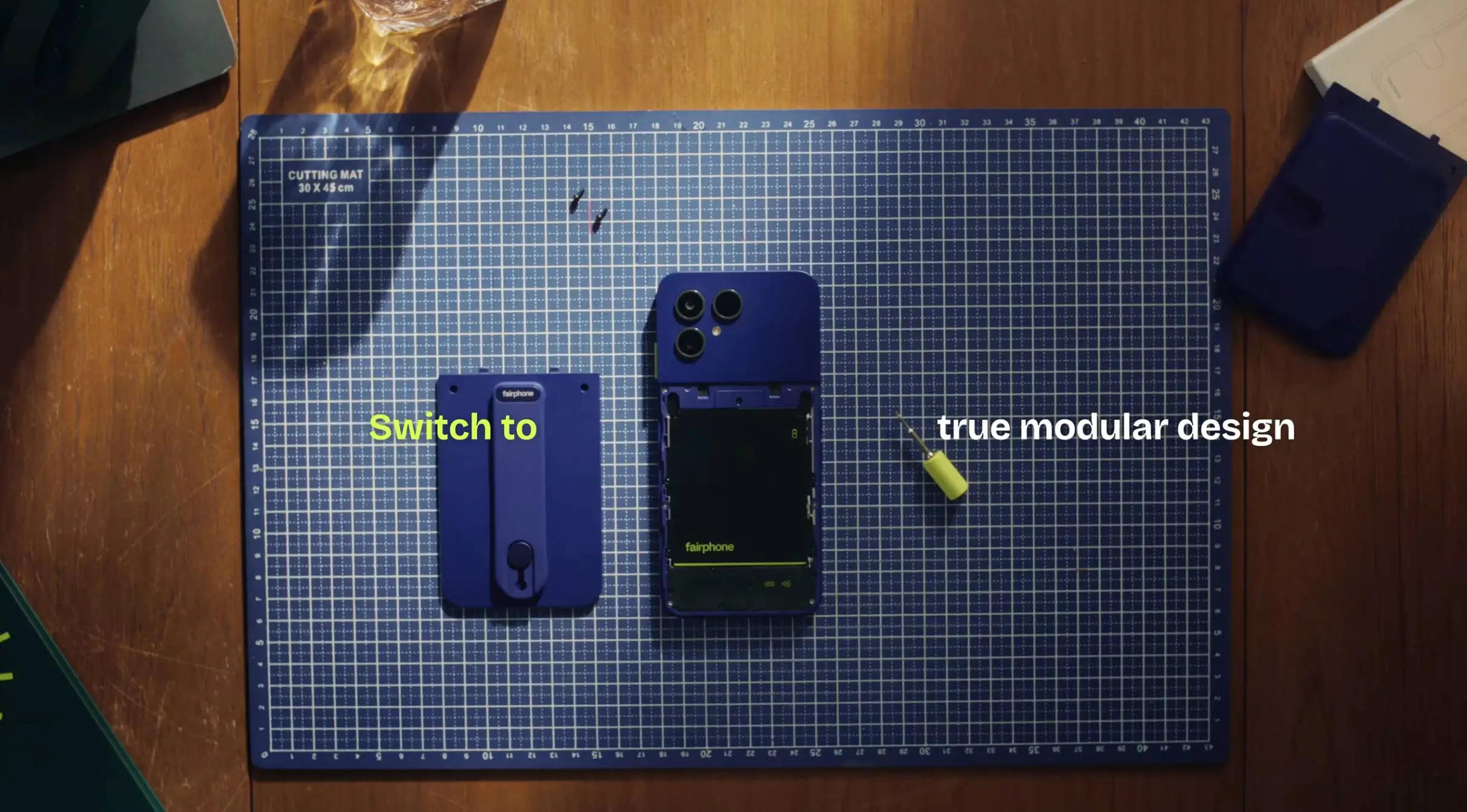
Basting 12 modular elements and the honor of being iFixit's only smartphone series with a 10/10 repairability score, there are also software updates through until 2033 and an unmatched 5-year warranty.
Apparently giving us a small bump over 2025's Gen 6, the Gen 6+ has a newer Qualcomm Snapdragon 7s Gen 4 processor and doubles its RAM to 12 GB.
Potential customers can now enjoy a Cobalt Blue variant, which is a nod to the miners who extract the cobalt to make smartphone batteries, as well as Fairphone's ambitions to improve working conditions in those same mines in the Democratic Republic of Congo.
How well does the Fairphone sell?
Despite the Fairphone being little more than a small minnow in a massive pond, the company is celebrating big success. In April 2026, Counterpoint Research reported that global smartphone shipments had dipped by 6% in the first quarter due to cautious spending and panic over RAMageddon. Still, Fairphone was soaring high with its third straight quarter of growth and shipments up 116% when compared to Q1 2025.
There was a particular boom in the United Kingdom, with shipments rising by 241%, accessories by 166%, and audio products up 95%. The Netherlands had a 200% gain in phone sales, while Germany boasted a 60% increase.
The company was nearing two major milestones of one million phones sold and $500 million in total revenue, although they don't appear to have been crossed...yet.
Speaking to Wired, Fairphone CEO Raymond van Eck cheered its products as an alternative for those who are feeling the current pinch of today's smartphones: "If you look to the US market, it’s heavily duopolistic with very little real consumer choice. Americans are exhausted by planned obsolescence, closed-box ecosystems, and expensive yearly upgrades.”
In general, the US market is a tough nut to crack, as carriers are said to monopolize 66% of the market in terms of what brands are sold.
It'll be interesting to see how things go, and even though the Fairphone Gen 6+ is the company's first smartphone sold in the USA, it already tried to break into the market with its repairable earbuds in 2025.